As you delve into the fascinating world of archaeology, you may find yourself captivated by the stories of ancient civilizations and the mysteries they left behind. The field has long relied on traditional methods of excavation and analysis, but recent advancements in technology are transforming how archaeologists approach their work. Enter AI archaeology, a burgeoning discipline that harnesses the power of artificial intelligence to enhance our understanding of the past.
This innovative intersection of technology and history is not just a passing trend; it represents a paradigm shift that promises to unlock secrets buried for centuries. AI archaeology combines the expertise of archaeologists with cutting-edge machine learning algorithms, enabling researchers to analyze vast amounts of data more efficiently than ever before. By leveraging AI, you can uncover patterns and insights that would be nearly impossible to detect through conventional methods.
This synergy between human intuition and machine precision is paving the way for groundbreaking discoveries, allowing you to explore lost civilizations and their cultural legacies in ways that were previously unimaginable.
Key Takeaways
- AI is revolutionizing the field of archaeology by enabling researchers to analyze and interpret data in new and innovative ways.
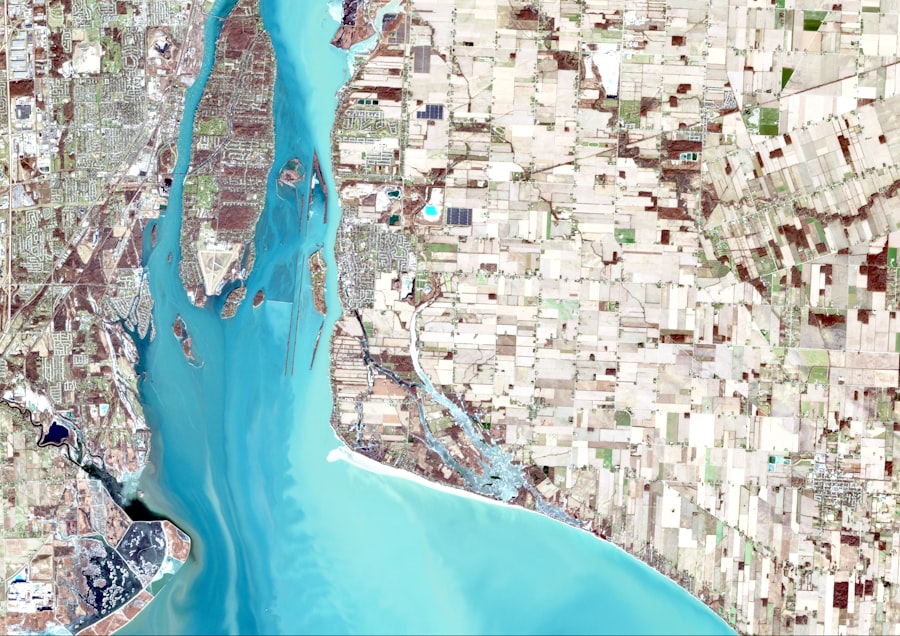
- Machine learning is being used to uncover lost civilizations by analyzing satellite imagery, LiDAR data, and other sources to identify potential archaeological sites.
- The role of machine learning in analyzing archaeological data is crucial for processing large amounts of information and identifying patterns that may not be immediately apparent to human researchers.
- Case studies have shown the impact of AI in discovering lost civilizations, such as the use of deep learning algorithms to identify ancient Maya structures in the Guatemalan jungle.
- While machine learning offers many benefits to archaeology, there are challenges and limitations to consider, such as the potential for bias in training data and the need for human oversight in interpreting results.
How Machine Learning is Revolutionizing Archaeology
Machine learning, a subset of artificial intelligence, is at the forefront of this revolution in archaeology. By training algorithms on large datasets, you can enable machines to recognize patterns, make predictions, and even generate hypotheses about archaeological sites. This capability is particularly valuable in a field where data can be sparse and fragmented.
For instance, machine learning can analyze satellite imagery to identify potential excavation sites, helping you focus your efforts on areas with the highest likelihood of yielding significant finds. Moreover, machine learning algorithms can process and interpret data from various sources, including historical texts, artifacts, and environmental factors. This multifaceted approach allows you to build a more comprehensive picture of ancient societies.
By integrating diverse datasets, machine learning can reveal connections between different cultures and highlight trade routes or migration patterns that may have gone unnoticed. As a result, you are not only enhancing your understanding of individual civilizations but also contributing to a broader narrative of human history.
Uncovering Lost Civilizations with AI

The quest to uncover lost civilizations has long been a driving force in archaeology. With the advent of AI, this pursuit has taken on new dimensions. You may find it astonishing how AI can analyze geographical data to predict where ancient settlements might have existed.
By examining topographical features and environmental conditions, machine learning algorithms can suggest locations that were once habitable but have since been forgotten. This predictive capability allows you to target your excavations more effectively, increasing the chances of discovering artifacts and structures that shed light on these lost societies. In addition to identifying potential sites, AI can assist in reconstructing the lives of these civilizations.
By analyzing artifacts and their contexts, machine learning can help you understand social structures, economic systems, and cultural practices. For example, AI can categorize pottery styles or burial practices across different regions, revealing trade relationships or cultural exchanges that may have occurred. This level of analysis not only enriches your understanding of individual civilizations but also contributes to a more nuanced view of human history as a whole.
The Role of Machine Learning in Analyzing Archaeological Data
As an archaeologist, you are often faced with mountains of data that require careful analysis. Traditional methods can be time-consuming and labor-intensive, but machine learning offers a solution that streamlines this process. By employing algorithms designed for data analysis, you can quickly sift through large datasets to identify trends and anomalies.
This efficiency allows you to focus on interpretation rather than getting bogged down in data management. One significant advantage of machine learning is its ability to handle unstructured data, such as images or text from historical documents. You may find it remarkable how AI can analyze photographs of artifacts to classify them based on shape, size, or material composition.
Similarly, natural language processing techniques can be applied to ancient texts, enabling you to extract relevant information and draw connections between different sources. This comprehensive approach not only enhances your analytical capabilities but also opens up new avenues for research that were previously inaccessible.
Case Studies: AI’s Impact on Discovering Lost Civilizations
To illustrate the transformative power of AI in archaeology, consider several case studies that highlight its impact on discovering lost civilizations. One notable example is the use of machine learning in the analysis of LiDAR (Light Detection and Ranging) data in Central America. Researchers employed AI algorithms to process vast amounts of LiDAR imagery, revealing previously hidden structures beneath dense jungle canopies.
This technology led to the discovery of an extensive network of ancient Maya cities, fundamentally altering our understanding of their civilization’s scale and complexity. Another compelling case involves the use of AI in analyzing pottery shards from archaeological sites in Italy. By training machine learning models on thousands of images of pottery styles from different regions and time periods, researchers were able to classify fragments with remarkable accuracy.
This analysis not only provided insights into trade networks but also helped reconstruct the cultural interactions between various communities in ancient Italy. These case studies exemplify how AI is not merely a tool but a catalyst for groundbreaking discoveries that reshape our understanding of history.
Challenges and Limitations of Using Machine Learning in Archaeology
Despite the promising potential of AI in archaeology, there are challenges and limitations that you must navigate as you embrace this technology. One significant concern is the quality and availability of data. Machine learning algorithms rely on large datasets for training, and in archaeology, such data can be scarce or unevenly distributed.
You may encounter situations where certain regions or time periods lack sufficient data for effective analysis, limiting the applicability of machine learning techniques. Additionally, there is the challenge of interpretability. While machine learning models can produce impressive results, they often operate as “black boxes,” making it difficult for you to understand how they arrived at specific conclusions.
This lack of transparency can be problematic when it comes to making informed decisions based on AI-generated insights. As an archaeologist, you must balance the benefits of machine learning with the need for critical thinking and contextual understanding to ensure that your interpretations remain grounded in archaeological evidence.
The Future of AI in Archaeology
Looking ahead, the future of AI in archaeology appears bright and full of potential. As technology continues to advance, you can expect even more sophisticated machine learning algorithms that will enhance your ability to analyze data and uncover insights about ancient civilizations. The integration of AI with other emerging technologies, such as virtual reality and augmented reality, could revolutionize how you experience archaeological sites and engage with historical narratives.
Moreover, as more researchers adopt AI tools and share their findings, a collaborative environment will emerge that fosters innovation and knowledge exchange within the archaeological community. This collective effort will not only accelerate discoveries but also promote interdisciplinary approaches that combine archaeology with fields like computer science and anthropology. As you embrace these advancements, you will play a crucial role in shaping the future of archaeology and expanding our understanding of human history.
Ethical Considerations in AI Archaeology
As you navigate the exciting landscape of AI archaeology, it is essential to consider the ethical implications associated with this technology. The use of AI raises questions about ownership and representation in archaeological research. Who has the right to access and interpret data generated by machine learning algorithms?
As an archaeologist, you must advocate for inclusive practices that respect the voices and perspectives of indigenous communities whose histories are being studied. Additionally, there is the concern of over-reliance on technology at the expense of traditional archaeological methods. While AI offers powerful tools for analysis, it should complement rather than replace human expertise and intuition.
Striking this balance is crucial for ensuring that your work remains grounded in ethical principles and respects the cultural significance of the artifacts and sites you study. In conclusion, as you explore the intersection of artificial intelligence and archaeology, you are embarking on a journey filled with possibilities and challenges alike. The integration of machine learning into archaeological research is revolutionizing how you uncover lost civilizations and analyze data.
While there are hurdles to overcome, the future holds immense promise for enhancing our understanding of human history through innovative technologies. By remaining mindful of ethical considerations and embracing collaboration within the archaeological community, you can contribute to a richer narrative that honors the complexities of our shared past.
In a related article on AI Lab 360, the discussion revolves around the programming languages used for artificial intelligence. The article delves into the various programming languages that are commonly utilized in the development of AI technologies, shedding light on their strengths and weaknesses in this field. To learn more about the programming languages that power AI innovations, check out the article here.
FAQs
What is the AI Archaeologist?
The AI Archaeologist refers to the use of machine learning and artificial intelligence technologies to analyze and interpret archaeological data in order to uncover lost civilizations and historical sites.
How does the AI Archaeologist work?
The AI Archaeologist works by using algorithms to process large amounts of archaeological data, such as satellite imagery, LiDAR scans, and historical records, to identify patterns and anomalies that may indicate the presence of ancient civilizations or archaeological sites.
What are the benefits of using the AI Archaeologist?
The AI Archaeologist can help archaeologists and historians to discover and study previously unknown civilizations and historical sites, leading to a better understanding of human history and cultural development.
What are some examples of the AI Archaeologist in action?
Examples of the AI Archaeologist in action include the use of machine learning algorithms to identify potential archaeological sites in remote areas, the analysis of satellite imagery to uncover ancient infrastructure and settlements, and the use of LiDAR technology to map and study hidden archaeological features.
What are the limitations of the AI Archaeologist?
Limitations of the AI Archaeologist include the need for high-quality data inputs, the potential for algorithmic biases, and the requirement for human interpretation and validation of the results. Additionally, the AI Archaeologist may not be able to fully replace traditional archaeological methods and expertise.