In an era where the challenges of climate change, resource depletion, and environmental degradation loom large, the integration of artificial intelligence (AI) into sustainable development strategies has emerged as a beacon of hope. You may find yourself wondering how technology can play a pivotal role in addressing these pressing issues. The answer lies in the transformative potential of AI, which can analyze vast amounts of data, optimize processes, and provide innovative solutions to complex problems.
By harnessing AI, you can contribute to a more sustainable future, where economic growth aligns with environmental stewardship. As you delve deeper into the intersection of AI and sustainability, it becomes clear that this technology is not merely a tool but a catalyst for change. From enhancing resource efficiency to promoting social equity, AI has the capacity to revolutionize how we approach sustainable development.
By leveraging machine learning algorithms and data analytics, you can uncover insights that were previously hidden, enabling more informed decision-making. This article will explore the multifaceted role of AI in various sectors, illustrating how it can be a powerful ally in the quest for a sustainable world.
Key Takeaways
- AI has the potential to revolutionize sustainable development by addressing environmental and social challenges.
- AI can play a crucial role in environmental conservation by analyzing and predicting ecological patterns and helping in wildlife protection.
- AI solutions can optimize renewable energy production and distribution, leading to more efficient and sustainable energy systems.
- In sustainable agriculture, AI can improve crop yield, reduce resource usage, and minimize environmental impact.
- AI can aid in climate change mitigation and adaptation by analyzing large datasets and predicting climate patterns, helping in disaster preparedness and response.
The Role of AI in Environmental Conservation
When it comes to environmental conservation, AI is proving to be an invaluable asset. You may be surprised to learn that AI technologies are being employed to monitor ecosystems, track wildlife populations, and even combat poaching. For instance, machine learning algorithms can analyze satellite imagery to detect changes in land use or deforestation patterns.
This capability allows conservationists to respond swiftly to threats and implement protective measures before it’s too late. By utilizing AI in this manner, you can help ensure that biodiversity is preserved for future generations. Moreover, AI can enhance the effectiveness of conservation efforts by providing predictive analytics.
Imagine being able to forecast the impact of climate change on specific habitats or species. With AI’s ability to process and analyze large datasets, you can gain insights into potential future scenarios, allowing for proactive measures to be taken. This predictive power not only aids in conservation planning but also fosters collaboration among stakeholders by providing a common understanding of the challenges at hand.
As you engage with these technologies, you become part of a global movement dedicated to safeguarding our planet’s natural resources.
AI Solutions for Renewable Energy
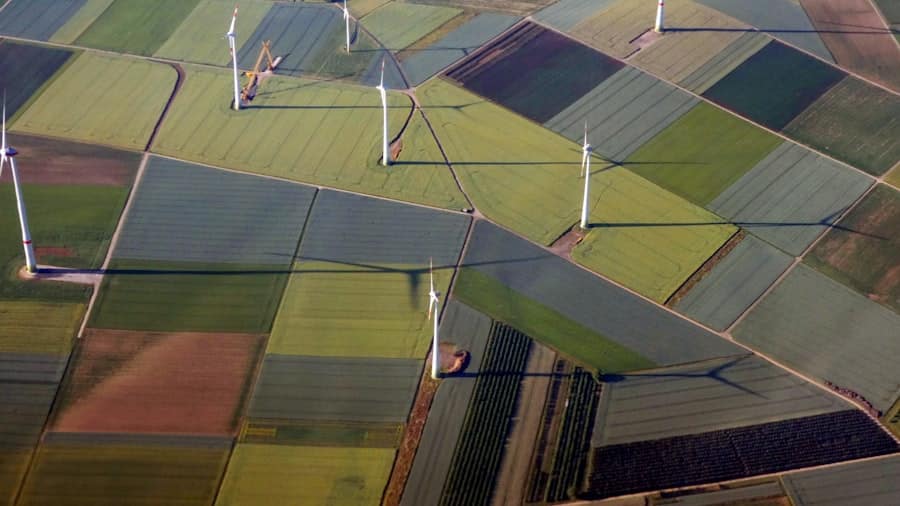
The transition to renewable energy sources is critical for achieving sustainability goals, and AI is playing a crucial role in this shift. You might be intrigued to discover how AI optimizes energy production and consumption, making renewable sources like solar and wind more efficient and reliable. For example, AI algorithms can predict energy demand patterns, allowing for better integration of renewable energy into the grid.
By analyzing historical data and real-time information, these systems can adjust energy distribution dynamically, ensuring that supply meets demand without over-reliance on fossil fuels. In addition to optimizing energy usage, AI can also facilitate advancements in energy storage technologies. As you explore this field, you’ll find that machine learning models are being used to improve battery performance and lifespan.
This is particularly important for renewable energy systems that rely on intermittent sources like solar and wind. By enhancing storage capabilities, you can help ensure that clean energy is available even when the sun isn’t shining or the wind isn’t blowing. The synergy between AI and renewable energy not only accelerates the transition away from fossil fuels but also paves the way for a more resilient energy future.
AI in Sustainable Agriculture and Food Production
Sustainable agriculture is another area where AI is making significant strides. You may be aware that global food production must increase to meet the demands of a growing population while minimizing environmental impact. Here, AI technologies are stepping in to optimize farming practices and enhance food security.
For instance, precision agriculture utilizes AI-driven data analytics to monitor crop health, soil conditions, and weather patterns. By providing farmers with actionable insights, you can help them make informed decisions about irrigation, fertilization, and pest control. Furthermore, AI can assist in reducing food waste throughout the supply chain.
By analyzing consumer behavior and market trends, machine learning algorithms can predict demand more accurately, allowing producers to adjust their output accordingly. This not only minimizes waste but also ensures that resources are used efficiently. As you engage with these innovative solutions, you contribute to a more sustainable food system that prioritizes both productivity and environmental responsibility.
AI for Climate Change Mitigation and Adaptation
Climate change poses one of the most significant challenges of our time, and AI is emerging as a powerful tool for both mitigation and adaptation strategies. You might be surprised to learn that AI can help model climate scenarios and assess the potential impacts of various interventions. By simulating different approaches to reducing greenhouse gas emissions or enhancing resilience to climate impacts, you can identify the most effective strategies for your community or organization.
Moreover, AI technologies are being used to monitor climate-related changes in real-time. For example, satellite imagery combined with machine learning can track glacial melt or changes in sea levels. This data is crucial for informing policy decisions and guiding adaptation efforts.
As you explore these applications of AI, you’ll see how they empower individuals and organizations to take meaningful action against climate change while fostering a sense of urgency about the need for collective action.
AI in Waste Management and Recycling
Waste management is another critical area where AI can drive sustainability efforts. You may have noticed that urban areas are grappling with increasing waste generation and limited landfill space. Here, AI technologies are being deployed to optimize waste collection routes and improve recycling processes.
For instance, smart bins equipped with sensors can monitor fill levels and communicate with waste management systems to ensure timely pickups. This not only reduces operational costs but also minimizes greenhouse gas emissions associated with waste collection. In addition to optimizing collection processes, AI can enhance recycling efforts by improving sorting technologies.
Machine learning algorithms can be trained to identify different materials in mixed waste streams, increasing the efficiency of recycling facilities. By automating sorting processes, you can help divert more materials from landfills and promote a circular economy where resources are reused rather than discarded. Engaging with these innovations allows you to play an active role in reducing waste and promoting sustainable practices within your community.
Challenges and Ethical Considerations in AI for Sustainability
While the potential benefits of AI in sustainable development are immense, it is essential to acknowledge the challenges and ethical considerations that accompany its implementation. You may find yourself grappling with questions about data privacy, algorithmic bias, and the potential for job displacement as automation becomes more prevalent. Addressing these concerns requires a thoughtful approach that prioritizes transparency and inclusivity in decision-making processes.
Moreover, as you explore the intersection of AI and sustainability, it’s crucial to consider the environmental impact of AI technologies themselves. The energy consumption associated with training large machine learning models raises questions about their overall sustainability. Striking a balance between leveraging AI for positive outcomes while minimizing its ecological footprint is a challenge that requires ongoing dialogue among stakeholders.
By engaging with these ethical considerations, you contribute to shaping a future where technology serves humanity without compromising our planet’s health.
The Future of AI in Sustainable Development
Looking ahead, the future of AI in sustainable development holds tremendous promise. As you reflect on the advancements made thus far, it’s clear that continued innovation will be essential for addressing emerging challenges. You may envision a world where AI-driven solutions become integral components of sustainability strategies across various sectors—from urban planning to transportation systems.
Collaboration will be key in realizing this vision. By fostering partnerships between governments, businesses, academia, and civil society, you can help create an ecosystem that supports responsible AI development for sustainability purposes. As you engage with these initiatives, consider how your unique skills and perspectives can contribute to this collective effort.
In conclusion, harnessing AI for sustainable development presents an opportunity for transformative change across multiple domains. By understanding its role in environmental conservation, renewable energy solutions, sustainable agriculture, climate change mitigation, waste management, and ethical considerations, you position yourself as an informed advocate for a more sustainable future. Embracing this technology not only empowers you but also enables communities worldwide to work towards a healthier planet for generations to come.
In a related article from AI Lab 360 titled AI in Energy Management: Optimizing Power Consumption, the potential of artificial intelligence in revolutionizing energy efficiency and sustainability is explored. This article delves into how AI can be harnessed to optimize power consumption, reduce waste, and ultimately contribute to a greener future. By leveraging AI technologies in energy management, organizations can make significant strides towards achieving sustainability goals and mitigating the impact of climate change.
FAQs
What is AI?
AI, or artificial intelligence, refers to the simulation of human intelligence in machines that are programmed to think and act like humans. This includes tasks such as learning, problem-solving, and decision-making.
How can AI be harnessed for sustainable development?
AI can be used to analyze large amounts of data to identify patterns and trends, optimize resource usage, and develop more efficient and sustainable solutions for various industries such as energy, agriculture, transportation, and waste management.
What are some examples of AI being used for sustainable development?
Some examples of AI being used for sustainable development include smart energy grids that optimize energy distribution, precision agriculture techniques that reduce water and pesticide usage, and predictive maintenance systems that minimize resource waste in manufacturing.
What are the potential benefits of harnessing AI for sustainable development?
The potential benefits of using AI for sustainable development include reduced resource consumption, lower environmental impact, improved efficiency, and the development of innovative solutions to address environmental challenges.
What are some challenges in harnessing AI for sustainable development?
Challenges in harnessing AI for sustainable development include the need for large amounts of high-quality data, potential biases in AI algorithms, and the ethical implications of AI decision-making in the context of sustainability.