Imagine walking into a restaurant, and instead of consulting a human sommelier, you find yourself engaging with an AI-powered system designed to enhance your wine experience. This is the essence of the AI sommelier—a technological marvel that combines the art of wine selection with the precision of machine learning. As you navigate through the complexities of wine pairings, the AI sommelier stands ready to assist, offering recommendations tailored to your palate and preferences.
This innovative approach not only streamlines the decision-making process but also opens up a world of possibilities for wine enthusiasts and casual drinkers alike. The concept of an AI sommelier is rooted in the desire to democratize wine knowledge. You no longer need to be a connoisseur to enjoy a perfectly paired meal; instead, you can rely on sophisticated algorithms that analyze vast amounts of data to suggest the ideal wine for your dish.
This technology is revolutionizing how you experience wine, making it more accessible and enjoyable. As you delve deeper into this fascinating intersection of technology and tradition, you’ll discover how machine learning is reshaping the landscape of wine pairings and enhancing your overall dining experience.
Key Takeaways
- The AI Sommelier is a revolutionary tool that uses machine learning to improve wine pairings and enhance the overall dining experience.
- Machine learning algorithms analyze vast amounts of data to make accurate wine pairing recommendations based on individual preferences and food characteristics.
- Data plays a crucial role in creating the AI Sommelier, as it relies on a diverse range of information including wine profiles, user preferences, and food attributes.
- Using AI for wine pairings offers advantages such as personalized recommendations, accessibility, and the ability to cater to a wide range of tastes and dietary restrictions.
- Despite its benefits, the AI Sommelier also faces challenges and limitations, including the potential for bias in data and the inability to replicate the human sensory experience.
How Machine Learning Improves Wine Pairings
Machine learning, a subset of artificial intelligence, plays a pivotal role in refining wine pairings. By analyzing historical data on food and wine combinations, these algorithms can identify patterns and correlations that may not be immediately apparent to human experts. When you input your meal choice or flavor preferences, the AI sommelier processes this information against a vast database of existing pairings, considering factors such as acidity, sweetness, and tannin levels.
This analytical approach allows for more nuanced recommendations that align closely with your taste. Moreover, machine learning continuously evolves as it gathers more data. Each interaction you have with the AI sommelier contributes to its learning process, enabling it to refine its suggestions over time.
For instance, if you frequently choose bold red wines with spicy dishes, the system will recognize this trend and prioritize similar pairings in future recommendations. This dynamic adaptability ensures that your experience remains fresh and personalized, catering specifically to your evolving preferences.
The Role of Data in Creating the AI Sommelier
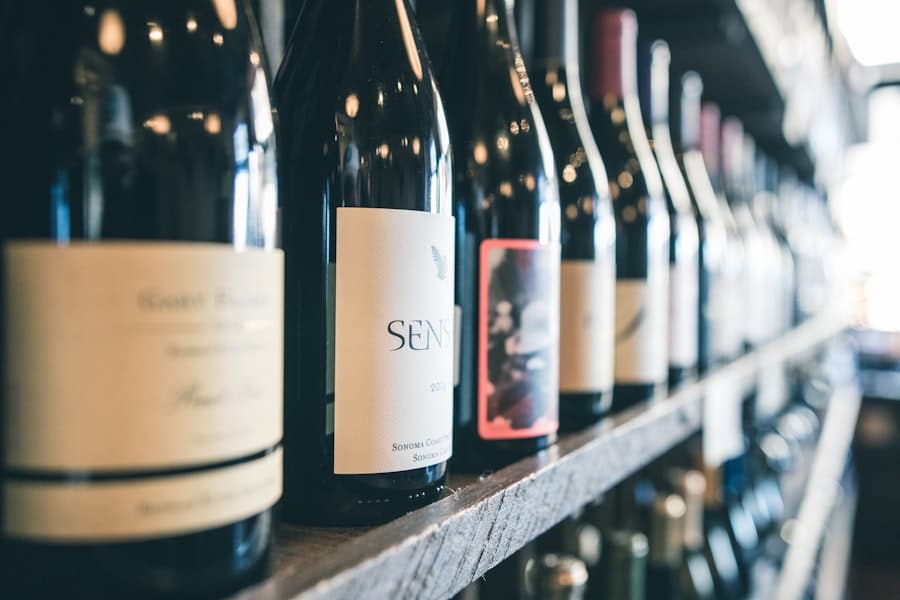
At the heart of the AI sommelier lies an extensive repository of data that informs its recommendations. This data encompasses a wide range of information, including flavor profiles, regional characteristics, and even consumer reviews. As you explore different wines and dishes, the AI draws from this wealth of knowledge to provide insights that are both relevant and accurate.
The integration of diverse datasets allows for a comprehensive understanding of how various elements interact within the realm of food and wine. Furthermore, the quality of data is paramount in developing an effective AI sommelier. High-quality datasets that include detailed descriptions of wines, their origins, and tasting notes enable the system to make informed decisions.
As you engage with the AI, it leverages this information to create a tailored experience that resonates with your individual tastes. The more robust the data, the more precise the recommendations become, ultimately enhancing your enjoyment of wine and food pairings.
Advantages of Using AI for Wine Pairings
One of the most significant advantages of utilizing an AI sommelier is its ability to provide personalized recommendations at scale. Unlike traditional sommeliers who may have limited time or knowledge about specific wines, an AI system can analyze countless combinations in seconds. This efficiency means that whether you’re dining at a high-end restaurant or enjoying a casual meal at home, you can receive expert-level advice tailored to your unique preferences.
Additionally, the AI sommelier can help demystify the world of wine for those who may feel intimidated by it. You no longer need to memorize complex terminology or worry about making the wrong choice; instead, you can rely on technology to guide you through the selection process. This accessibility encourages exploration and experimentation, allowing you to discover new wines and flavors that you might not have considered otherwise.
As you embrace this technology, you’ll find that it enhances not only your knowledge but also your overall enjoyment of wine.
Challenges and Limitations of the AI Sommelier
Despite its many advantages, the AI sommelier is not without its challenges and limitations. One significant hurdle is the inherent complexity of human taste. While machine learning algorithms can analyze data patterns effectively, they may struggle to capture the subjective nuances of individual preferences.
Your unique experiences, cultural background, and emotional connections to certain wines may not always be fully understood by an algorithm. This limitation can lead to recommendations that feel generic or misaligned with your personal taste. Moreover, there is a risk that reliance on AI could diminish the role of human sommeliers in the wine industry.
While technology can enhance your experience, it cannot replicate the depth of knowledge and passion that a seasoned expert brings to the table. The art of wine pairing involves not only technical understanding but also an emotional connection to the beverage and its history. As you navigate this evolving landscape, it’s essential to recognize that while AI can be a valuable tool, it should complement rather than replace human expertise.
The Future of Wine Pairings with Machine Learning
As machine learning technology continues to advance, the future of wine pairings looks promising. You can expect even more sophisticated algorithms capable of analyzing complex flavor profiles and personal preferences with greater accuracy. Imagine an AI sommelier that not only suggests wines based on your meal but also considers factors like mood, occasion, or even seasonal trends.
This level of personalization could transform how you approach wine selection, making it an integral part of your dining experience. Additionally, as more data becomes available through user interactions and industry collaborations, the AI sommelier will become increasingly adept at recognizing emerging trends in wine consumption. You may find yourself introduced to lesser-known varietals or innovative pairings that challenge traditional norms.
This evolution will not only enhance your personal experience but also contribute to a broader appreciation for diverse wines and culinary traditions.
Ethical Considerations and Human Expertise in Wine Pairings
As you explore the intersection of AI and wine pairings, it’s crucial to consider the ethical implications surrounding this technology. The use of data raises questions about privacy and consent; after all, your preferences are being analyzed to create personalized recommendations. Ensuring that user data is handled responsibly and transparently will be essential in maintaining trust between consumers and technology providers.
Moreover, while AI can provide valuable insights, it should not overshadow the importance of human expertise in the wine industry. The passion and storytelling inherent in wine culture are irreplaceable elements that enrich your experience. As you engage with both AI and human sommeliers, consider how each can complement one another—AI providing data-driven insights while human experts offer context and narrative that deepen your appreciation for wine.
The Impact of AI on the Wine Industry
In conclusion, the emergence of AI sommeliers represents a significant shift in how you approach wine pairings. By harnessing machine learning and vast datasets, these systems offer personalized recommendations that enhance your dining experience while making wine more accessible than ever before. However, as you embrace this technology, it’s essential to remain mindful of its limitations and ethical considerations.
The future holds exciting possibilities for both AI and human sommeliers as they work together to elevate your understanding and enjoyment of wine. By blending technological advancements with human expertise, you can look forward to a richer exploration of flavors and experiences in the world of wine. Ultimately, as you navigate this evolving landscape, you’ll find that both AI and tradition have valuable roles to play in shaping your journey through the intricate world of wine pairings.
If you’re interested in exploring the capabilities of artificial intelligence beyond wine pairings, you may want to check out the article Can AI Defeat Human Intelligence? This thought-provoking piece delves into the potential of AI to surpass human intelligence in various fields. It’s a fascinating read that will give you a deeper understanding of the power of machine learning and its impact on our world.
FAQs
What is an AI sommelier?
An AI sommelier is a computer program or application that uses machine learning algorithms to analyze and recommend wine pairings based on various factors such as food ingredients, flavor profiles, and user preferences.
How does the AI sommelier work?
The AI sommelier works by analyzing a vast amount of data on wine and food pairings, including flavor profiles, regional characteristics, and user reviews. It uses machine learning algorithms to identify patterns and make recommendations based on the input provided by the user.
What are the benefits of using an AI sommelier?
Using an AI sommelier can help users make more informed and personalized wine pairing choices, leading to a better dining experience. It can also help users discover new and unique wine pairings that they may not have considered before.
Are AI sommeliers accurate in their recommendations?
AI sommeliers are constantly improving their accuracy through machine learning and data analysis. While they may not be perfect, they can provide valuable insights and recommendations based on the information available to them.
Can an AI sommelier replace a human sommelier?
An AI sommelier can complement the expertise of a human sommelier by providing additional data-driven recommendations. However, the human touch and sensory experience provided by a human sommelier cannot be fully replicated by an AI program.