As you delve into the world of music, you may notice a transformative force reshaping the landscape: artificial intelligence (AI). This technology, once confined to the realms of science fiction, has begun to permeate various aspects of the music industry, revolutionizing how music is created, distributed, and consumed. From composition to marketing, AI is not just a tool; it is becoming an integral part of the musical ecosystem.
As you explore this fascinating intersection of technology and art, you will discover how AI is enhancing creativity while also raising important questions about the future of music. The integration of AI into the music industry is not merely a trend; it represents a paradigm shift that could redefine the very essence of musical expression. You might find it intriguing that AI can analyze vast amounts of data, learning from patterns and trends to generate new compositions or suggest songs tailored to individual tastes.
This capability opens up a world of possibilities for artists and listeners alike, allowing for a more personalized and engaging musical experience. As you navigate through this article, you will gain insights into the various ways AI is influencing music composition, curation, marketing, and even live performances.
Key Takeaways
- AI is revolutionizing the music industry by transforming the way music is composed, produced, curated, marketed, protected, and performed.
- AI is being used to create original music compositions and assist in the production process, leading to new and innovative sounds.
- Music streaming platforms are utilizing AI to curate personalized playlists and recommend music to users based on their preferences and listening habits.
- AI is helping music marketers and promoters target specific audiences and create more effective promotional campaigns.
- AI is playing a crucial role in copyright protection and royalty management, ensuring that artists are fairly compensated for their work.
AI in Music Composition and Production
When it comes to music composition and production, AI has emerged as a powerful ally for artists. Imagine sitting down to create a new song, and instead of facing a blank page, you have an intelligent system that can generate melodies, harmonies, and even lyrics based on your preferences. AI-driven tools like OpenAI’s MuseNet or Google’s Magenta are designed to assist musicians in their creative processes, offering suggestions that can spark inspiration or help overcome writer’s block.
You may find that these tools not only enhance creativity but also democratize music production by making sophisticated technology accessible to aspiring musicians. Moreover, AI’s role in music production extends beyond composition. It can analyze audio tracks, suggesting improvements in mixing and mastering that might otherwise go unnoticed.
For instance, AI algorithms can identify frequency imbalances or recommend adjustments to enhance sound quality. As you explore this aspect of AI in music, consider how it allows producers to focus more on the artistic elements of their work while leaving technical details to intelligent systems. This collaboration between human creativity and machine efficiency is paving the way for innovative sounds and genres that may not have been possible without such technology.
AI in Music Curation and Recommendation
As a music lover, you likely appreciate the vast array of choices available today. However, with so much content out there, finding the right music can be overwhelming. This is where AI shines in music curation and recommendation.
Streaming platforms like Spotify and Apple Music utilize sophisticated algorithms to analyze your listening habits and preferences, curating personalized playlists that cater to your unique taste. You may have noticed how these platforms seem to know exactly what you want to hear next, often introducing you to new artists and genres that resonate with your musical sensibilities. The power of AI in curation goes beyond mere recommendations; it also plays a crucial role in discovering emerging talent.
By analyzing trends and listener engagement data, AI can identify up-and-coming artists who might otherwise go unnoticed. This not only benefits listeners by broadening their musical horizons but also provides invaluable exposure for new musicians trying to break into the industry. As you reflect on your own listening experiences, consider how AI has transformed your relationship with music, making it more personalized and dynamic than ever before.
AI in Music Marketing and Promotion
In the competitive landscape of the music industry, effective marketing and promotion are essential for an artist’s success. Here, AI is proving to be an invaluable asset. By leveraging data analytics, artists and record labels can gain insights into audience behavior, preferences, and engagement patterns.
This information allows them to tailor marketing strategies that resonate with specific demographics. You might find it fascinating how AI can predict which songs are likely to become hits based on historical data and current trends, enabling more informed decisions about promotional efforts. Additionally, AI-driven tools can automate various aspects of marketing campaigns, from social media management to targeted advertising.
For instance, chatbots powered by AI can engage with fans on social media platforms, answering questions and providing updates about upcoming releases or concerts. This level of interaction not only enhances fan engagement but also frees up artists and their teams to focus on creating music rather than getting bogged down by administrative tasks. As you consider the implications of AI in music marketing, think about how it empowers artists to connect with their audiences in more meaningful ways.
AI in Copyright Protection and Royalty Management
Navigating the complexities of copyright protection and royalty management is a significant challenge for many artists in the music industry. Here, AI offers innovative solutions that streamline these processes. By utilizing machine learning algorithms, companies can monitor the use of copyrighted material across various platforms, ensuring that artists receive fair compensation for their work.
You may find it reassuring to know that AI can help identify unauthorized uses of music, providing artists with the tools they need to protect their intellectual property. Furthermore, AI can simplify royalty management by automating calculations and distributions based on real-time data. This means that artists can receive payments more quickly and accurately than ever before.
As you think about the implications of these advancements, consider how they empower musicians by providing them with greater control over their work and financial outcomes. In an industry where transparency has often been lacking, AI is paving the way for a more equitable system that benefits creators.
AI in Live Music Performance and Audience Interaction
The live music experience has always been about connection—between artists and audiences, as well as among fans themselves. With the advent of AI, this connection is evolving in exciting ways. Imagine attending a concert where AI-driven visuals enhance the performance or where interactive elements allow audience members to influence the show in real-time.
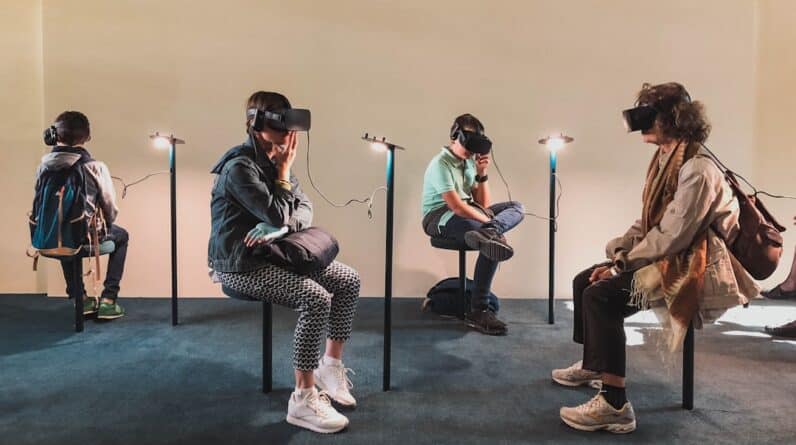
Technologies like augmented reality (AR) and virtual reality (VR) are being integrated into live performances, creating immersive experiences that engage fans on multiple levels. Moreover, AI can analyze audience reactions during performances, providing artists with valuable feedback on what resonates most with their fans. This data can inform future shows or even influence setlists based on real-time engagement metrics.
As you consider the future of live music in light of these advancements, think about how AI is not only enhancing performances but also fostering deeper connections between artists and their audiences.
Challenges and Ethical Considerations of AI in the Music Industry
While the benefits of AI in the music industry are numerous, it is essential to acknowledge the challenges and ethical considerations that accompany its integration. One significant concern revolves around creativity and authorship. As AI-generated compositions become more prevalent, questions arise about who owns the rights to these works—Is it the artist who collaborated with the AI or the developers behind the technology?
You may find yourself pondering how this shift could impact traditional notions of creativity and artistic expression. Additionally, there are concerns about data privacy and security as platforms collect vast amounts of user information to fuel their algorithms. As a listener, you might be wary of how your data is being used and whether it could be exploited for commercial gain without your consent.
The balance between leveraging data for personalized experiences and respecting user privacy is a delicate one that requires careful consideration as the industry continues to evolve.
The Future of AI in the Music Industry
Looking ahead, the future of AI in the music industry appears both promising and complex. As technology continues to advance at an unprecedented pace, you can expect even more innovative applications of AI that will further transform how music is created, shared, and experienced. From enhanced collaboration tools for musicians to more sophisticated recommendation systems for listeners, the possibilities are virtually limitless.
However, as you contemplate this future landscape, it is crucial to remain vigilant about the ethical implications of these advancements. The ongoing dialogue surrounding creativity, ownership rights, and data privacy will shape how AI is integrated into the music industry moving forward. By engaging with these discussions and advocating for responsible practices, you can play a role in ensuring that technology serves as a force for good in the world of music.
In conclusion, as you explore the multifaceted relationship between AI and the music industry, you will find a dynamic interplay between innovation and tradition. While challenges remain, the potential for positive change is immense. Embracing this technological evolution could lead to a richer musical experience for both creators and listeners alike—one where art continues to thrive alongside cutting-edge technology.
Transforming the Music Industry with AI is just one example of how artificial intelligence is revolutionizing various sectors. Another fascinating article on AI’s impact can be found in AI and Drug Delivery: Targeted Therapies and Nanomedicine. This article explores how AI is being used to enhance drug delivery systems and develop more effective treatments for various medical conditions. It showcases the potential of AI to revolutionize the healthcare industry and improve patient outcomes.
FAQs
What is AI in the music industry?
AI, or artificial intelligence, in the music industry refers to the use of advanced technology to analyze, create, and enhance music. This can include using algorithms to generate music, analyze listener preferences, and improve the production and distribution process.
How is AI transforming the music industry?
AI is transforming the music industry in various ways, including personalized music recommendations, automated music composition, improved music production and mastering, and enhanced music distribution and marketing strategies.
What are some examples of AI applications in the music industry?
Some examples of AI applications in the music industry include music streaming platforms using AI to create personalized playlists, AI-powered music composition tools, AI-based music production software, and AI-driven marketing and promotion strategies for musicians and record labels.
What are the benefits of using AI in the music industry?
The benefits of using AI in the music industry include improved music discovery for listeners, more efficient music production processes, enhanced music quality through AI-powered mastering and mixing, and better targeted marketing and promotion efforts for musicians and music labels.
Are there any concerns or challenges with AI in the music industry?
Some concerns and challenges with AI in the music industry include potential job displacement for musicians and music industry professionals, ethical considerations around AI-generated music, and the need for regulations and standards to ensure fair and transparent use of AI in the industry.