In recent years, artificial intelligence (AI) has emerged as a transformative force in the field of education. You may have noticed how technology has seeped into various aspects of your daily life, and education is no exception. From personalized learning platforms to intelligent tutoring systems, AI is reshaping how you learn and interact with educational content.
The integration of AI into educational settings is not merely a trend; it represents a fundamental shift in how knowledge is imparted and acquired. As you navigate through this new landscape, it’s essential to understand the implications of AI’s rise in education. The adoption of AI technologies in educational institutions has been driven by the need for more efficient and effective teaching methods.
You might find it fascinating that AI can analyze vast amounts of data to identify patterns and trends that would be impossible for a human educator to discern. This capability allows for the development of tailored educational experiences that cater to individual learning styles and paces. As schools and universities increasingly embrace these technologies, you can expect to see a more dynamic and responsive educational environment that prioritizes your unique needs as a learner.
Key Takeaways
- AI is becoming increasingly prevalent in education, revolutionizing the way students learn and teachers teach.
- AI personalizes learning by adapting to each student’s individual needs and learning style, providing a more tailored educational experience.
- AI has a significant impact on student engagement by creating interactive and immersive learning experiences that keep students motivated and interested.
- AI plays a crucial role in assessing student progress by providing real-time feedback and analysis, allowing for more accurate and comprehensive evaluation.
- Ethical considerations in AI education are important to address, including issues of data privacy, bias, and the potential for replacing human educators.
How AI is Personalizing Learning
One of the most significant advantages of AI in education is its ability to personalize learning experiences. You may have experienced traditional classroom settings where one-size-fits-all approaches often leave some students behind while others are unchallenged. With AI, this paradigm is shifting dramatically.
Intelligent algorithms can assess your strengths, weaknesses, and preferences, allowing for a customized learning journey that aligns with your specific needs. This personalization not only enhances your understanding of the material but also boosts your motivation to engage with the content. Imagine a scenario where an AI-driven platform monitors your progress in real-time, adjusting the difficulty level of assignments based on your performance.
If you struggle with a particular concept, the system can provide additional resources or alternative explanations tailored to your learning style. Conversely, if you excel in a subject, the platform can present more advanced challenges to keep you engaged. This adaptive learning approach ensures that you are neither bored nor overwhelmed, creating an optimal environment for academic growth.
The Impact of AI on Student Engagement

AI’s influence on student engagement cannot be overstated. You may have noticed that traditional teaching methods often fail to capture the attention of today’s tech-savvy learners. However, AI-powered tools are changing the game by making learning more interactive and immersive.
For instance, gamified learning experiences leverage AI to create engaging scenarios that encourage you to participate actively in your education. These tools not only make learning fun but also foster a sense of community among peers as you collaborate on challenges and projects. Moreover, AI can facilitate real-time feedback, allowing you to understand your progress instantly.
This immediate response can significantly enhance your engagement levels, as you are more likely to stay motivated when you see tangible results from your efforts. By providing personalized recommendations and insights, AI helps you take ownership of your learning journey, making it a more fulfilling experience overall.
The Role of AI in Assessing Student Progress
Assessment is a critical component of education, and AI is revolutionizing how student progress is measured. Traditionally, assessments have relied on standardized tests that may not accurately reflect your abilities or knowledge. With AI, assessment becomes a more nuanced process that considers various factors beyond mere test scores.
You might find it intriguing that AI can analyze your performance across multiple dimensions, including participation in discussions, completion of assignments, and even engagement with learning materials. This comprehensive approach allows educators to gain deeper insights into your learning patterns and challenges. For instance, if an AI system identifies that you consistently struggle with specific topics, teachers can intervene with targeted support or resources.
This data-driven assessment not only helps educators tailor their teaching strategies but also empowers you to take charge of your learning by identifying areas for improvement.
Ethical Considerations in AI Education
As with any technological advancement, the rise of AI in education brings forth ethical considerations that cannot be ignored. You may wonder about the implications of data privacy and security when educational institutions collect and analyze your personal information. It’s crucial for schools and universities to establish robust policies that protect your data while ensuring transparency about how it is used.
Ethical considerations also extend to issues of bias in AI algorithms, which can inadvertently perpetuate inequalities if not carefully monitored. Furthermore, there is the question of the human element in education. While AI can enhance learning experiences, it cannot replace the invaluable role of teachers in fostering critical thinking, creativity, and emotional intelligence.
As you engage with AI-driven tools, it’s essential to maintain a balance between technology and human interaction to ensure a holistic educational experience.
The Future of AI in Education

Looking ahead, the future of AI in education appears promising yet complex. You may envision classrooms where AI seamlessly integrates with traditional teaching methods, creating hybrid environments that cater to diverse learning needs. As technology continues to evolve, you can expect even more sophisticated tools that enhance collaboration between students and educators.
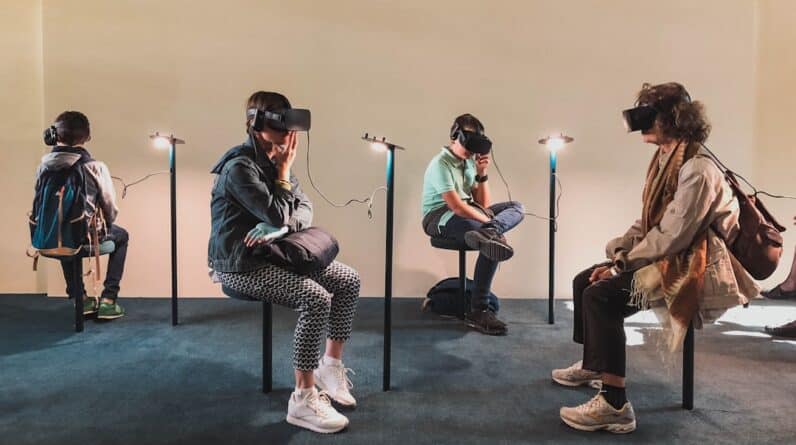
Virtual reality (VR) and augmented reality (AR) powered by AI could transform how you experience subjects like history or science, making them more immersive and engaging. Moreover, as AI becomes more prevalent in education, there will be an increasing emphasis on developing digital literacy skills among students. You will likely need to navigate an array of AI tools and platforms throughout your academic journey and beyond.
Therefore, educational institutions must prioritize equipping you with the skills necessary to thrive in an AI-driven world.
Overcoming Challenges in Implementing AI in Education
Despite its potential benefits, implementing AI in education is not without challenges. You may encounter resistance from educators who are hesitant to adopt new technologies or fear that AI could undermine their roles. It’s essential for schools and universities to provide adequate training and support for teachers as they integrate AI into their classrooms.
By fostering a culture of collaboration between educators and technology experts, institutions can create an environment where both parties feel empowered to innovate. Additionally, funding and resource allocation pose significant hurdles for many educational institutions looking to implement AI solutions. You might find that some schools lack the necessary infrastructure or financial backing to invest in advanced technologies.
Addressing these challenges requires a concerted effort from policymakers, educators, and communities to ensure equitable access to AI resources for all students.
The Benefits of AI Educators for Teachers and Students
Ultimately, the integration of AI in education offers numerous benefits for both teachers and students alike. For educators like yourself, AI can alleviate administrative burdens by automating tasks such as grading and attendance tracking. This allows you to focus more on what truly matters: engaging with students and fostering meaningful learning experiences.
With AI handling routine tasks, teachers can dedicate more time to developing creative lesson plans and providing personalized support to students. For students, the advantages are equally compelling. As you engage with AI-driven tools that adapt to your learning style and pace, you are likely to experience improved academic outcomes and increased motivation.
The personalized feedback provided by these systems empowers you to take ownership of your education while fostering a sense of agency in your learning journey. In this evolving landscape, both teachers and students stand to benefit from the collaborative potential of AI in education. In conclusion, as you navigate the rise of AI in education, it’s essential to embrace its potential while remaining mindful of the ethical considerations and challenges it presents.
By fostering a collaborative environment between technology and human interaction, you can look forward to a future where education is more personalized, engaging, and effective than ever before.
In a related article titled Will AI Help the World or Hurt It?, the discussion revolves around the potential impact of artificial intelligence on society. This article delves into the ethical considerations and potential consequences of AI technology, shedding light on the importance of responsible development and implementation of AI systems. The AI Educator: Transforming Learning in the Digital Age explores the role of AI in education, highlighting the benefits and challenges of integrating AI into the learning process.
FAQs
What is an AI educator?
An AI educator is a form of artificial intelligence technology that is designed to assist in the education and learning process. It can provide personalized learning experiences, automate administrative tasks, and offer real-time feedback to students.
How does an AI educator transform learning in the digital age?
An AI educator can transform learning in the digital age by providing personalized learning experiences, automating administrative tasks, offering real-time feedback to students, and adapting to individual learning styles and paces.
What are the benefits of using an AI educator in education?
Some benefits of using an AI educator in education include personalized learning experiences, improved student engagement, real-time feedback, automation of administrative tasks, and the ability to adapt to individual learning styles and paces.
What are some examples of AI educators in use today?
Some examples of AI educators in use today include chatbots that provide personalized learning support, virtual tutors that offer real-time feedback, and learning platforms that adapt to individual student needs.
What are the potential challenges of using AI educators in education?
Some potential challenges of using AI educators in education include concerns about data privacy and security, the need for teacher training and support, and the potential for AI to replace human educators.