As you navigate through the rapidly evolving landscape of technology, the concept of artificial intelligence (AI) has become increasingly prominent. Among its many applications, the idea of AI being able to “read” human minds captures both fascination and concern. Imagine a world where machines can interpret your thoughts, emotions, and intentions with remarkable accuracy.
This notion, often relegated to the realm of science fiction, is inching closer to reality as advancements in AI and neuroscience converge. The intersection of these fields raises profound questions about the nature of consciousness, privacy, and the ethical boundaries of technology. In this exploration, you will delve into the science behind mind reading, the role of AI in analyzing human behavior, and the ethical implications that arise from such capabilities.
As you consider the current applications of AI in this domain, you will also confront the limitations and challenges that persist. Finally, you will glimpse into the future possibilities that AI holds for understanding human minds, ultimately reflecting on the impact this technology may have on society as a whole.
Key Takeaways
- AI and mind reading are becoming increasingly intertwined, raising both excitement and concerns about the potential implications for society.
- The science behind mind reading involves the use of advanced technologies such as fMRI and EEG to analyze brain activity and decode thoughts and emotions.
- AI plays a crucial role in analyzing human behavior by processing and interpreting large amounts of data to identify patterns and predict future actions.
- Ethical implications of AI mind reading include concerns about privacy, consent, and the potential for misuse of personal information.
- Current applications of AI in reading people’s minds include market research, mental health diagnosis, and personalized advertising, among others.
The Science Behind Mind Reading
To understand how AI might read minds, it is essential to first grasp the scientific principles that underpin this concept. Neuroscience has made significant strides in recent years, revealing how brain activity correlates with thoughts and emotions. Techniques such as functional magnetic resonance imaging (fMRI) and electroencephalography (EEG) allow researchers to observe brain activity in real-time.
By analyzing patterns of neural activity, scientists can infer what a person might be thinking or feeling. This groundbreaking research lays the groundwork for AI systems that could potentially interpret these neural signals. As you explore this scientific landscape, consider how machine learning algorithms are being trained to recognize these patterns.
By feeding vast amounts of data into these algorithms, researchers can develop models that predict mental states based on brain activity. This process involves not only understanding the biological mechanisms of thought but also creating sophisticated computational tools that can analyze complex data sets. The synergy between neuroscience and AI is paving the way for a new era of mind reading, where machines could one day decode human thoughts with unprecedented precision.
The Role of AI in Analyzing Human Behavior
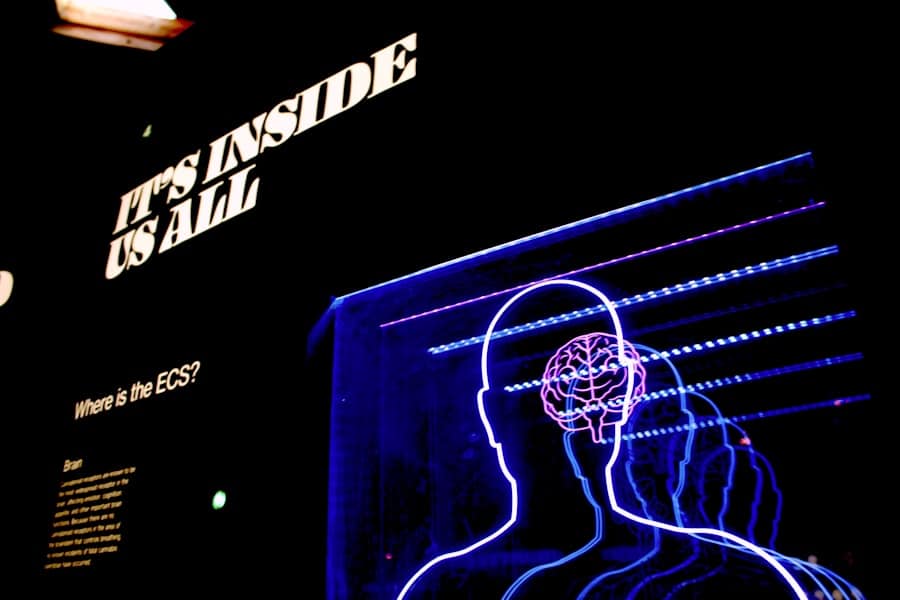
AI’s role in analyzing human behavior extends beyond mere mind reading; it encompasses a wide array of applications that seek to understand and predict human actions. By leveraging vast amounts of data from social media, online interactions, and even biometric sensors, AI systems can identify patterns in behavior that may not be immediately apparent to humans. This capability allows for a deeper understanding of motivations, preferences, and emotional states.
As you consider the implications of this analysis, think about how businesses utilize AI to tailor their marketing strategies based on consumer behavior. By predicting what customers want before they even express it, companies can create personalized experiences that enhance customer satisfaction. However, this predictive power raises questions about autonomy and free will.
If AI can anticipate your desires and decisions, to what extent are you truly making choices? The interplay between AI and human behavior is complex and multifaceted, prompting you to reflect on the implications for personal agency in an increasingly automated world.
Ethical Implications of AI Mind Reading
The prospect of AI mind reading brings forth a myriad of ethical considerations that demand careful examination. One of the most pressing concerns is privacy. As AI systems become more adept at interpreting thoughts and emotions, the potential for misuse becomes a significant issue.
Imagine a scenario where employers use AI to gauge employee sentiments or governments monitor citizens’ thoughts for compliance. Such applications could lead to a dystopian reality where individual freedoms are compromised in the name of security or productivity. Moreover, there is the question of consent.
If AI can read minds, should individuals have the right to opt out? The ability to control who has access to your thoughts is fundamental to personal autonomy. As you ponder these ethical dilemmas, consider how society might establish guidelines and regulations to govern the use of such powerful technologies.
Striking a balance between innovation and ethical responsibility will be crucial as we navigate this uncharted territory.
Current Applications of AI in Reading People’s Minds
While the concept of mind reading may seem futuristic, there are already tangible applications of AI that hint at its potential. In healthcare, for instance, researchers are exploring how AI can assist in diagnosing mental health conditions by analyzing speech patterns and facial expressions. By identifying subtle cues that indicate emotional distress or cognitive impairment, AI can provide valuable insights that enhance patient care.
In addition to healthcare, AI is making strides in enhancing user experiences across various platforms. Virtual assistants are becoming increasingly sophisticated at interpreting user intent based on voice commands and contextual cues. This capability allows them to respond more accurately to your needs, creating a seamless interaction between humans and machines.
As you reflect on these current applications, consider how they might evolve in the coming years and what new possibilities they may unlock.
Limitations and Challenges of AI Mind Reading
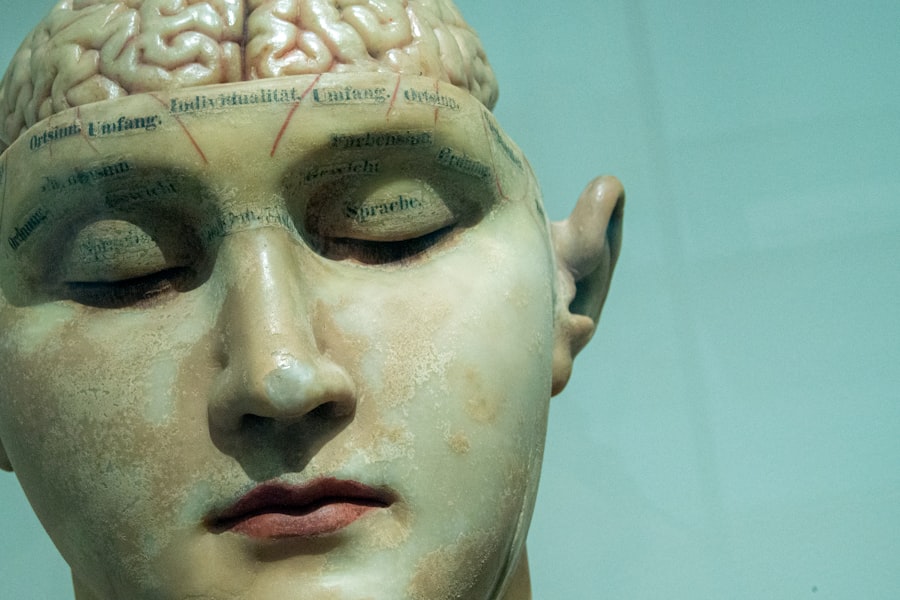
Despite the promising advancements in AI mind reading, significant limitations and challenges remain. One major hurdle is the complexity of human thought itself. The brain is an intricate organ with billions of neurons communicating through complex networks.
Capturing this complexity in a way that AI can understand is no small feat. Current technologies may struggle to accurately interpret nuanced emotions or abstract thoughts, leading to misinterpretations that could have serious consequences. Additionally, there are technical challenges related to data collection and analysis.
Gathering reliable data on brain activity requires sophisticated equipment and controlled environments, which may not always be feasible in real-world settings. Furthermore, issues related to bias in AI algorithms can skew results, leading to inaccurate conclusions about individuals’ mental states. As you consider these limitations, it becomes clear that while AI holds great promise in understanding human minds, it is not without its obstacles.
Future Possibilities and Developments in AI Mind Reading
Looking ahead, the future possibilities for AI mind reading are both exciting and daunting. As technology continues to advance, we may witness breakthroughs that enhance our understanding of consciousness itself. Imagine a world where AI can not only read thoughts but also facilitate communication for individuals with disabilities or neurological conditions that impair their ability to express themselves verbally.
Moreover, advancements in brain-computer interfaces (BCIs) could revolutionize how we interact with technology. By directly connecting our brains to machines, we could potentially control devices with our thoughts alone. This integration could lead to unprecedented levels of convenience and efficiency in daily life.
However, as you envision these possibilities, it is essential to remain vigilant about the ethical implications that accompany such advancements.
The Impact of AI on Understanding Human Minds
In conclusion, the intersection of AI and mind reading presents a fascinating yet complex landscape that challenges our understanding of consciousness and ethics. As you reflect on the advancements made thus far and the potential future developments, it becomes evident that AI has the power to transform how we perceive ourselves and each other. While there are undeniable benefits to harnessing this technology for good—such as improving mental health care or enhancing communication—there are also significant risks that must be addressed.
As society moves forward into this new frontier, it is crucial for individuals like you to engage in discussions about the ethical implications of AI mind reading. By advocating for responsible practices and policies, you can help shape a future where technology serves humanity rather than undermines it. Ultimately, the impact of AI on understanding human minds will depend not only on technological advancements but also on our collective commitment to ensuring that these innovations align with our values and aspirations as a society.
Can AI really read people’s minds? This fascinating question is explored in a recent article on AI Lab 360’s website. In a related article, the same website discusses the importance of using artificial intelligence for wildlife conservation, specifically in protecting endangered species. The potential applications of AI seem endless, from understanding human behavior to safeguarding the environment. To learn more about these cutting-edge technologies and their impact on society, visit AI Lab 360.
FAQs
What is AI?
AI, or artificial intelligence, refers to the simulation of human intelligence in machines that are programmed to think and act like humans. This includes tasks such as learning, problem-solving, and decision-making.
Can AI read people’s minds?
No, AI cannot read people’s minds. While AI can analyze and interpret data to make predictions about human behavior, it does not have the capability to read thoughts or emotions directly from a person’s mind.
How does AI analyze human behavior?
AI analyzes human behavior by processing and interpreting data from various sources such as facial expressions, body language, speech patterns, and other behavioral cues. This data is then used to make predictions about human behavior and emotions.
What are the limitations of AI in understanding human behavior?
AI has limitations in understanding human behavior as it relies on data and patterns to make predictions. It may not always accurately interpret complex emotions or understand the context of a situation, leading to potential inaccuracies in its analysis of human behavior.