Artificial Intelligence (AI) is a term that has gained significant traction in recent years, yet its essence can often be elusive. At its core, AI refers to the simulation of human intelligence processes by machines, particularly computer systems. These processes include learning, reasoning, and self-correction.
You might find it fascinating that AI encompasses a wide range of technologies, from simple algorithms that perform specific tasks to complex systems capable of learning from vast amounts of data. The evolution of AI has been rapid, with advancements in machine learning and deep learning propelling the field into new realms of possibility. As you delve deeper into the world of AI, you will discover that it is not a monolithic entity but rather a collection of various subfields.
Natural language processing, computer vision, and robotics are just a few examples of how AI manifests in our daily lives. You may have encountered AI in your smartphone’s voice assistant or in the recommendation algorithms of your favorite streaming service. Understanding these foundational concepts will help you appreciate the profound impact AI has on various sectors, including healthcare, finance, and transportation.
Key Takeaways
- Artificial Intelligence (AI) refers to the simulation of human intelligence processes by machines, including learning, reasoning, and self-correction.
- Myths surrounding AI, such as the fear of robots taking over the world, are often exaggerated and not based on reality.
- Current applications of AI include virtual assistants, recommendation systems, and autonomous vehicles, but limitations exist in areas such as bias and ethical concerns.
- Ethical considerations in AI development and implementation include issues of privacy, accountability, and the potential for job displacement.
- The future of AI holds potential impacts on society and industry, including increased efficiency, new job opportunities, and potential ethical dilemmas.
- Misconceptions about AI in popular culture often portray it as either a savior or a threat, when in reality it is a tool with both benefits and risks.
- Data and algorithms play a crucial role in AI, as they are used to train machine learning models and make decisions.
- Education and awareness are important for the responsible adoption of AI, as they can help mitigate fears and ensure that AI is used for the benefit of society.
Debunking the Myths Surrounding Artificial Intelligence
As you explore the landscape of artificial intelligence, you may come across numerous myths that cloud public perception. One prevalent misconception is that AI will inevitably lead to widespread job loss. While it is true that automation can replace certain tasks, it is equally important to recognize that AI also creates new job opportunities and enhances existing roles.
Rather than viewing AI as a threat, consider it a tool that can augment human capabilities and drive innovation in the workplace. Another myth you might encounter is the belief that AI possesses human-like consciousness or emotions. In reality, AI operates based on algorithms and data, devoid of feelings or self-awareness.
This misunderstanding can lead to unrealistic expectations about what AI can achieve. By debunking these myths, you can foster a more informed dialogue about the potential and limitations of AI technology.
The Reality of Artificial Intelligence: Current Applications and Limitations
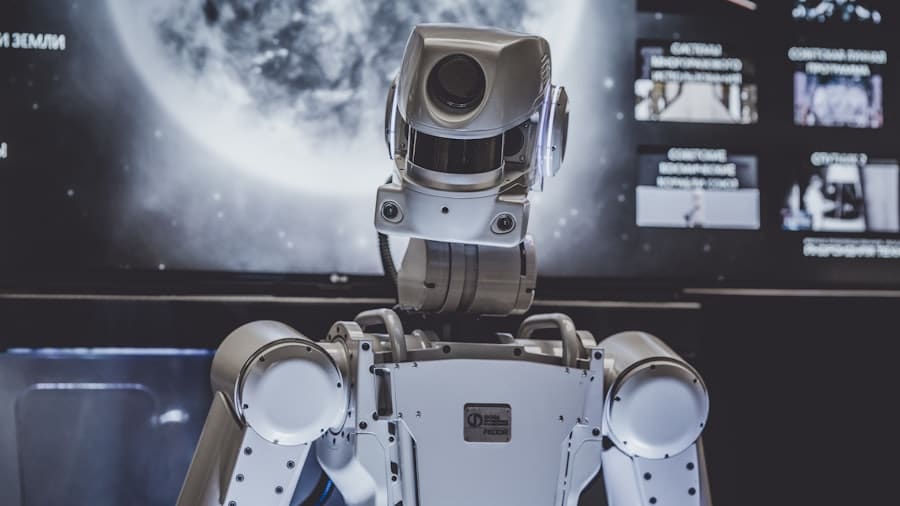
In your exploration of artificial intelligence, you will find that its applications are both diverse and impactful. In healthcare, for instance, AI is revolutionizing diagnostics by analyzing medical images with remarkable accuracy. You may have heard about AI systems that can detect early signs of diseases such as cancer, enabling timely interventions that save lives.
Similarly, in finance, AI algorithms are employed to detect fraudulent transactions and assess credit risk, enhancing security and efficiency in financial services. However, it is crucial to acknowledge the limitations of AI as well. Despite its impressive capabilities, AI systems are not infallible; they rely heavily on the quality and quantity of data they are trained on.
You might be surprised to learn that biases present in training data can lead to skewed outcomes in AI decision-making processes. This highlights the importance of continuous monitoring and improvement in AI systems to ensure fairness and accuracy.
Ethical Considerations in the Development and Implementation of Artificial Intelligence
As you navigate the complexities of artificial intelligence, ethical considerations become paramount. The development and deployment of AI technologies raise questions about privacy, accountability, and bias. For instance, when AI systems are used for surveillance or data collection, concerns about individual privacy rights come to the forefront.
You may find it essential to advocate for transparent practices that prioritize user consent and data protection. Moreover, the issue of bias in AI algorithms cannot be overlooked. If you consider how these systems are trained on historical data, it becomes evident that they can inadvertently perpetuate existing societal biases.
As a responsible participant in this discourse, you should encourage the implementation of ethical guidelines that promote fairness and inclusivity in AI development. By addressing these ethical dilemmas head-on, you can contribute to a future where AI serves as a force for good.
The Future of Artificial Intelligence: Potential Impacts on Society and Industry
Looking ahead, the future of artificial intelligence holds immense promise for transforming society and industry. You may envision a world where AI enhances productivity across various sectors, from agriculture to manufacturing. Imagine smart farming techniques that optimize crop yields through data analysis or automated supply chains that streamline logistics and reduce waste.
The potential for increased efficiency and sustainability is vast. However, with these advancements come challenges that must be addressed. As AI continues to evolve, you might ponder the implications for employment and workforce dynamics.
While some jobs may become obsolete, new roles will emerge that require a different skill set. Embracing lifelong learning and adaptability will be crucial for individuals navigating this changing landscape. By staying informed about emerging trends in AI, you can position yourself to thrive in an increasingly automated world.
Misconceptions About Artificial Intelligence in Popular Culture
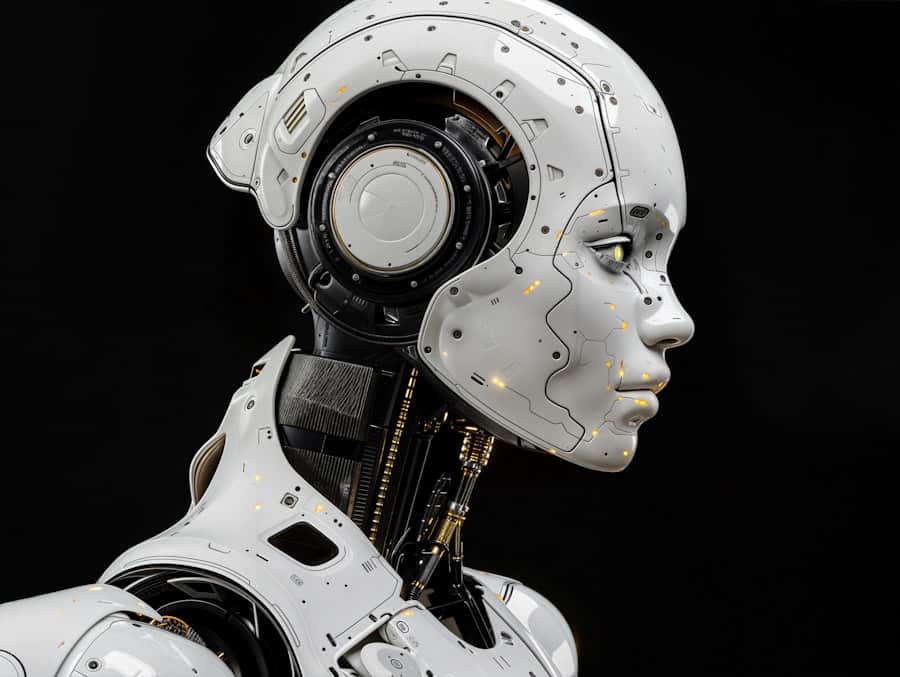
Popular culture often shapes our understanding of artificial intelligence, but it can also perpetuate misconceptions. Movies and television shows frequently depict AI as sentient beings with their own agendas, leading to fears about a dystopian future where machines dominate humanity. As you engage with these narratives, it’s important to differentiate between fiction and reality.
While AI can perform remarkable tasks, it lacks consciousness or intent. Additionally, you may notice that popular portrayals often exaggerate the capabilities of AI technology. For instance, while autonomous vehicles are being developed, they are not yet fully capable of navigating all driving scenarios without human intervention.
By critically analyzing these representations in media, you can cultivate a more nuanced understanding of what AI truly entails and its current limitations.
The Role of Data and Algorithms in Artificial Intelligence
At the heart of artificial intelligence lies data and algorithms—two fundamental components that drive its functionality. As you explore this relationship further, you’ll realize that data serves as the fuel for AI systems. The more high-quality data an algorithm has access to, the better it can learn and make predictions.
This reliance on data underscores the importance of data collection practices that prioritize accuracy and relevance. Algorithms play a crucial role in processing this data and deriving insights from it. You might find it intriguing how different algorithms can yield varying results based on their design and application.
For instance, machine learning algorithms can adapt over time as they encounter new data, allowing them to improve their performance continuously. Understanding this interplay between data and algorithms will empower you to appreciate the intricacies of AI technology.
The Importance of Education and Awareness in Artificial Intelligence Adoption
As artificial intelligence continues to permeate various aspects of life, education and awareness become vital for its successful adoption. You may recognize that fostering a culture of understanding around AI is essential for individuals and organizations alike. By promoting educational initiatives that demystify AI concepts, you can help bridge the knowledge gap and empower others to engage with this transformative technology.
Moreover, awareness campaigns can play a significant role in addressing public concerns about AI’s implications for society. By providing accurate information about its capabilities and limitations, you can help dispel fears rooted in misunderstanding. Encouraging discussions about ethical considerations and responsible use will further contribute to a more informed populace ready to embrace the opportunities presented by artificial intelligence.
In conclusion, your journey through the world of artificial intelligence reveals a complex landscape filled with potential and challenges alike. By understanding its foundations, debunking myths, recognizing current applications and limitations, addressing ethical considerations, envisioning its future impacts, analyzing popular culture representations, exploring the role of data and algorithms, and advocating for education and awareness, you position yourself as an informed participant in this rapidly evolving field. Embracing this knowledge will not only enhance your understanding but also empower you to contribute positively to the ongoing dialogue surrounding artificial intelligence.
If you are interested in learning more about the difficulty of mastering artificial intelligence, you may want to check out the article Is it Difficult to Learn Artificial Intelligence?. This article explores the challenges and complexities of diving into the world of AI. Additionally, for those intrigued by the intersection of AI and augmented reality, the article AI and Cybersecurity discusses how artificial intelligence is being used to enhance security measures in the digital realm.
FAQs
What is artificial intelligence (AI)?
Artificial intelligence (AI) refers to the simulation of human intelligence in machines that are programmed to think and act like humans. This includes tasks such as learning, problem-solving, and decision-making.
What are some common myths about artificial intelligence?
Some common myths about artificial intelligence include the idea that AI will replace all human jobs, that AI is only relevant for large corporations, and that AI is too complex and expensive for small businesses to implement.
What are the realities of artificial intelligence?
The realities of artificial intelligence include the fact that AI can augment human capabilities rather than replace them, that AI is accessible to businesses of all sizes through various tools and platforms, and that AI has the potential to improve efficiency and productivity across industries.
How is artificial intelligence currently being used in the real world?
Artificial intelligence is currently being used in various real-world applications such as virtual assistants, recommendation systems, autonomous vehicles, medical diagnosis, and predictive maintenance in manufacturing.
What are some ethical considerations surrounding artificial intelligence?
Ethical considerations surrounding artificial intelligence include issues related to privacy, bias in AI algorithms, job displacement, and the potential for AI to be used for malicious purposes. It is important to address these ethical considerations as AI continues to advance.