Artificial Intelligence (AI) has emerged as one of the most transformative technologies of the 21st century, reshaping the way you interact with the world around you. From virtual assistants like Siri and Alexa to sophisticated algorithms that drive decision-making in businesses, AI is becoming an integral part of your daily life. At its core, AI refers to the simulation of human intelligence processes by machines, particularly computer systems.
These processes include learning, reasoning, and self-correction, enabling machines to perform tasks that typically require human intelligence. As you delve deeper into the realm of AI, you will discover its various branches, including machine learning, natural language processing, and robotics. Each of these areas contributes to the overarching goal of creating systems that can think and act autonomously.
The rapid advancements in AI technology have sparked both excitement and concern, as you navigate the implications of these innovations on society, economy, and personal life. Understanding AI is not just for tech enthusiasts; it is essential for everyone as it increasingly influences your everyday experiences.
Key Takeaways
- Artificial Intelligence (AI) is the simulation of human intelligence processes by machines, especially computer systems.
- AI has a significant impact on industries, leading to increased efficiency, productivity, and innovation.
- AI plays a crucial role in the Fourth Industrial Revolution by driving automation, data analysis, and decision-making processes.
- Challenges and ethical considerations in AI adoption include job displacement, bias in algorithms, and privacy concerns.
- The future of work and employment in the age of AI will involve a shift towards more specialized and creative roles, alongside the potential for job displacement.
The Impact of Artificial Intelligence on Industries
The influence of AI on various industries is profound and far-reaching. In healthcare, for instance, AI algorithms are revolutionizing diagnostics and patient care. You may have heard about AI systems that analyze medical images with remarkable accuracy, assisting doctors in identifying conditions such as cancer at earlier stages.
This not only enhances patient outcomes but also streamlines the workflow in hospitals, allowing healthcare professionals to focus more on patient interaction rather than administrative tasks. In the realm of finance, AI is transforming how you manage your money and investments. Robo-advisors use algorithms to analyze market trends and provide personalized investment advice based on your financial goals and risk tolerance.
This democratization of financial services means that even those with limited knowledge can make informed decisions about their investments. Additionally, AI-driven fraud detection systems are becoming increasingly sophisticated, helping banks protect your assets from cyber threats while ensuring a seamless banking experience.
The Role of Artificial Intelligence in the Fourth Industrial Revolution
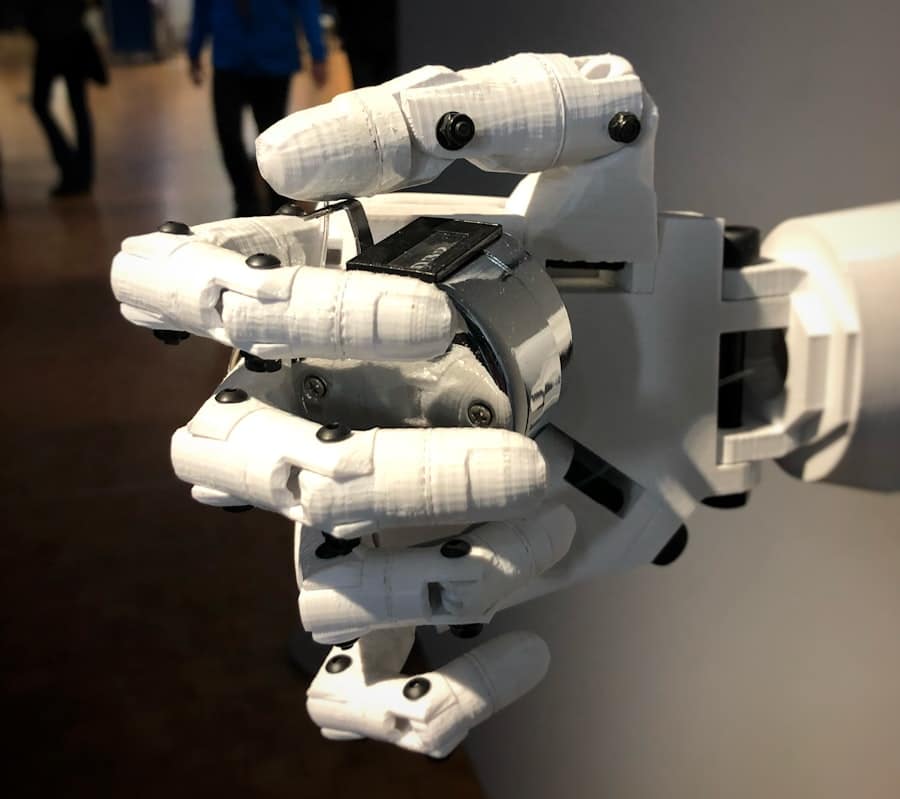
As you explore the Fourth Industrial Revolution, it becomes clear that AI is at its forefront. This era is characterized by a fusion of advanced technologies that blur the lines between physical, digital, and biological worlds. AI plays a pivotal role in this transformation by enabling smart manufacturing processes, enhancing supply chain management, and facilitating data-driven decision-making.
You may find yourself interacting with smart factories where machines communicate with each other to optimize production efficiency and reduce waste. Moreover, AI’s integration into the Internet of Things (IoT) is creating a network of interconnected devices that gather and analyze data in real-time. This connectivity allows for unprecedented levels of automation and efficiency in various sectors, from agriculture to transportation.
As you witness these changes unfold, it becomes evident that AI is not merely a tool but a catalyst for innovation that drives economic growth and societal advancement.
Challenges and Ethical Considerations in the Adoption of Artificial Intelligence
Despite the numerous benefits that AI brings, its adoption is not without challenges and ethical dilemmas. As you engage with AI technologies, you may encounter concerns regarding privacy and data security. The vast amounts of data required to train AI systems raise questions about how your personal information is collected, stored, and used.
Ensuring that your data is handled responsibly is paramount in building trust in these technologies. Additionally, the potential for bias in AI algorithms poses significant ethical challenges. If the data used to train these systems reflects societal biases, the outcomes can perpetuate discrimination in areas such as hiring practices or law enforcement.
As you navigate this landscape, it is crucial to advocate for transparency and accountability in AI development. Engaging in discussions about ethical AI practices can help shape a future where technology serves all members of society equitably.
The Future of Work and Employment in the Age of Artificial Intelligence
The rise of AI is reshaping the job market in ways that are both exciting and daunting. As you consider your career path or current employment situation, it’s essential to recognize that while some jobs may become obsolete due to automation, new opportunities are also emerging. Roles that require creativity, emotional intelligence, and complex problem-solving are likely to thrive in an AI-driven economy.
You may find yourself in a position where collaboration with AI tools enhances your productivity rather than replaces your role entirely. However, this transition also necessitates a shift in skills and education. Lifelong learning will become increasingly important as you adapt to new technologies and methodologies in your field.
Embracing continuous education will empower you to stay relevant in a rapidly changing job landscape. As organizations invest in upskilling their workforce, you will have opportunities to learn how to work alongside AI systems effectively.
Government Policies and Regulations for Artificial Intelligence
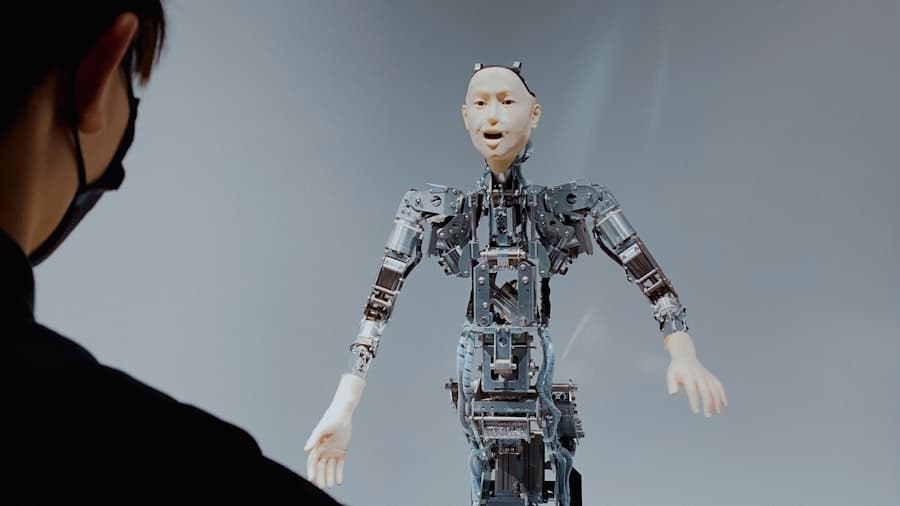
As AI continues to evolve, governments around the world are grappling with how to regulate its use effectively. You may have noticed discussions surrounding the need for comprehensive policies that address issues such as data privacy, algorithmic accountability, and ethical standards in AI development. Striking a balance between fostering innovation and protecting citizens’ rights is a complex challenge that requires collaboration between policymakers, technologists, and ethicists.
In many regions, governments are beginning to implement frameworks aimed at guiding the responsible use of AI technologies. These regulations often focus on ensuring transparency in AI decision-making processes and promoting fairness in algorithmic outcomes. As a citizen engaged with these developments, it is essential to advocate for policies that prioritize ethical considerations while encouraging technological advancement.
The Integration of Artificial Intelligence in Daily Life
AI’s integration into your daily life is becoming increasingly seamless and pervasive. From personalized recommendations on streaming platforms to smart home devices that learn your preferences, AI enhances convenience and efficiency in various aspects of your routine. You may find yourself relying on virtual assistants to manage your schedules or using navigation apps that adapt to real-time traffic conditions.
Moreover, AI’s presence extends beyond entertainment and convenience; it also plays a role in enhancing your safety and security. Smart surveillance systems equipped with facial recognition technology can help protect your home or community by identifying potential threats. As you embrace these innovations, it’s important to remain aware of the implications they carry regarding privacy and surveillance.
The Advantages and Disadvantages of Artificial Intelligence in the Fourth Industrial Revolution
As you reflect on the advantages and disadvantages of AI within the context of the Fourth Industrial Revolution, it becomes clear that this technology offers both remarkable benefits and significant challenges. On one hand, AI enhances productivity by automating repetitive tasks, allowing you to focus on more strategic aspects of your work or personal life. It also fosters innovation by enabling new products and services that were previously unimaginable.
Conversely, the rapid pace of AI development raises concerns about job displacement and economic inequality. As certain roles become automated, there is a risk that individuals without access to retraining opportunities may be left behind. Additionally, the ethical implications surrounding data usage and algorithmic bias cannot be overlooked; these issues require ongoing dialogue and proactive measures to ensure that AI serves as a force for good.
In conclusion, as you navigate the complexities of artificial intelligence in today’s world, it is essential to remain informed and engaged with its developments. By understanding both its potential benefits and challenges, you can contribute to shaping a future where AI enhances human capabilities while addressing ethical considerations responsibly. Embracing this technology thoughtfully will empower you to harness its advantages while advocating for a fairer society for all.
Artificial Intelligence: The Fourth Industrial Revolution explores the impact of AI on various industries and the economy as a whole. For a deeper dive into the main problem of artificial intelligence, check out this article which delves into the challenges and limitations of AI technology. Additionally, if you’re curious about whether AI can become self-aware, this article provides insights into the current state of AI consciousness. And for those interested in leveraging AI for financial gain, this article offers tips on how to make money with AI quickly.
FAQs
What is Artificial Intelligence (AI)?
Artificial Intelligence (AI) refers to the simulation of human intelligence in machines that are programmed to think and act like humans. It involves the development of computer systems that can perform tasks that typically require human intelligence, such as visual perception, speech recognition, decision-making, and language translation.
How is AI impacting the Fourth Industrial Revolution?
AI is a key driver of the Fourth Industrial Revolution, which is characterized by the fusion of technologies that blur the lines between the physical, digital, and biological spheres. AI is transforming industries and economies by automating processes, improving efficiency, and enabling new levels of innovation and productivity.
What are some examples of AI applications in the Fourth Industrial Revolution?
AI is being used in a wide range of applications in the Fourth Industrial Revolution, including autonomous vehicles, smart manufacturing, healthcare diagnostics, personalized marketing, and predictive maintenance. It is also being integrated into various consumer products and services, such as virtual assistants, smart home devices, and personalized recommendations.
What are the potential benefits of AI in the Fourth Industrial Revolution?
The potential benefits of AI in the Fourth Industrial Revolution include increased productivity, improved decision-making, enhanced safety and security, better healthcare outcomes, and the creation of new job opportunities. AI has the potential to drive economic growth and improve quality of life across various sectors.
What are the challenges and risks associated with AI in the Fourth Industrial Revolution?
Challenges and risks associated with AI in the Fourth Industrial Revolution include job displacement due to automation, ethical considerations related to AI decision-making, privacy concerns, cybersecurity threats, and the potential for AI to exacerbate existing social and economic inequalities. It is important to address these challenges to ensure that AI is developed and deployed responsibly.