As you navigate through your daily routine, you may not even realize how deeply integrated artificial intelligence (AI) has become in your life. From the moment you wake up to the sound of your smart alarm clock to the time you unwind with a streaming service that curates your favorite shows, AI is quietly working behind the scenes. This technology has evolved from a futuristic concept into a practical tool that enhances convenience and efficiency in various aspects of life.
You might find yourself using AI-driven applications for everything from managing your schedule to optimizing your grocery shopping list, making it an indispensable part of modern living. The rise of AI is not just about convenience; it also reflects a significant shift in how you interact with technology. The algorithms that power your favorite apps learn from your preferences and behaviors, allowing for a more personalized experience.
Whether it’s receiving tailored recommendations on music platforms or enjoying a more intuitive user interface on your smartphone, AI is reshaping your interactions with technology. As you embrace these advancements, you may also find yourself pondering the implications of such rapid integration and how it will continue to evolve in the years to come.
Key Takeaways
- AI is becoming increasingly integrated into everyday life, from personal assistants to home automation and healthcare.
- Alexa is revolutionizing home automation by allowing users to control their smart devices with voice commands, making daily tasks more convenient.
- AI is transforming the automotive industry with advancements in autonomous vehicles, improving safety and efficiency on the road.
- Personal assistants and voice recognition technology are being enhanced by AI, providing more accurate and personalized experiences for users.
- The integration of AI raises ethical and privacy concerns, as the technology collects and analyzes large amounts of personal data.
How Alexa is Revolutionizing Home Automation
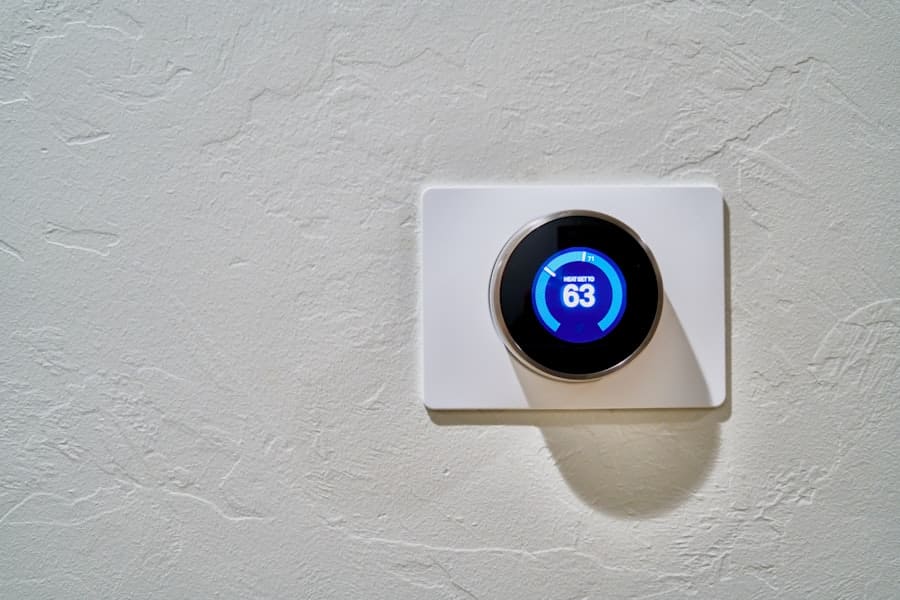
When you think about home automation, Alexa likely comes to mind as one of the most recognizable names in the field. This voice-activated assistant has transformed the way you manage your home environment, allowing you to control everything from lighting to temperature with simple voice commands. Imagine walking into your home after a long day and saying, “Alexa, turn on the living room lights,” only to have them illuminate instantly.
This level of convenience is not just a luxury; it’s becoming a standard expectation for many households. Moreover, Alexa’s ability to integrate with various smart devices means that you can create a cohesive ecosystem within your home. You can set routines that automate multiple tasks at once, such as having your coffee maker start brewing as soon as your morning alarm goes off.
This seamless integration not only saves you time but also enhances your overall quality of life. As you explore the capabilities of Alexa and similar devices, you may find yourself considering how these innovations can simplify daily tasks and improve your home’s energy efficiency.
The Impact of AI on the Automotive Industry
As you step into your car, you may notice that the automotive industry is undergoing a significant transformation driven by AI technology. Modern vehicles are equipped with advanced features that enhance safety and improve the driving experience. From adaptive cruise control to lane-keeping assistance, these AI-driven systems are designed to make driving safer and more enjoyable for you.
The integration of AI in cars is not just about convenience; it’s also about reducing accidents and improving overall road safety. Furthermore, the rise of autonomous vehicles represents a groundbreaking shift in transportation. Companies are investing heavily in research and development to create self-driving cars that can navigate complex environments without human intervention.
While this technology is still in its infancy, the potential benefits are immense. Imagine being able to relax during your commute or use that time for work or leisure activities instead of focusing on driving. As these advancements continue to unfold, you may find yourself contemplating the future of mobility and how AI will shape the way you travel.
The Role of AI in Personal Assistants and Voice Recognition Technology
Personal assistants powered by AI have become an integral part of your daily life, streamlining tasks and enhancing productivity. Whether you’re using Siri on your iPhone or Google Assistant on your Android device, these tools are designed to understand and respond to your voice commands with remarkable accuracy. The technology behind voice recognition has advanced significantly, allowing for more natural interactions that feel almost conversational.
You might find yourself asking your personal assistant for directions or reminders without even thinking twice about it. The implications of this technology extend beyond mere convenience; they also reflect a broader trend toward hands-free interaction with devices. As you engage with voice recognition technology, you may notice how it allows for multitasking and greater efficiency in managing your day-to-day responsibilities.
The ability to control smart devices, set appointments, or even send messages through voice commands frees up your hands and attention for other tasks. As this technology continues to evolve, it will likely become even more integrated into various aspects of your life, making everyday tasks simpler and more intuitive.
The Ethical and Privacy Concerns Surrounding AI Integration
While the benefits of AI integration are undeniable, it’s essential to consider the ethical and privacy concerns that accompany this technological revolution. As you use AI-driven applications and devices, you may be sharing vast amounts of personal data without fully understanding how it is being used or stored. This raises questions about consent and transparency, as many users are unaware of the extent to which their information is collected and analyzed.
You might find yourself questioning whether the convenience offered by these technologies is worth the potential risks to your privacy. Moreover, there are broader ethical implications related to bias in AI algorithms. If these systems are trained on data that reflects societal biases, they can perpetuate discrimination in various contexts, from hiring practices to law enforcement.
As you engage with AI technologies, it’s crucial to remain informed about these issues and advocate for responsible practices that prioritize fairness and accountability. By doing so, you can contribute to a future where AI serves as a tool for positive change rather than a source of inequality or harm.
AI’s Influence on Healthcare and Medical Diagnosis

In the realm of healthcare, AI is making significant strides that could revolutionize medical diagnosis and treatment options available to you. Machine learning algorithms are being developed to analyze medical data at an unprecedented scale, enabling healthcare professionals to identify patterns and make more accurate diagnoses. Imagine visiting your doctor and knowing that they have access to advanced AI tools that can assist in diagnosing conditions based on your symptoms and medical history.
This could lead to earlier detection of diseases and more personalized treatment plans tailored specifically for you. Additionally, AI is playing a crucial role in drug discovery and development. By analyzing vast datasets, AI can identify potential drug candidates more quickly than traditional methods allow.
This not only accelerates the process but also reduces costs associated with bringing new medications to market. As you consider the future of healthcare, it’s exciting to think about how AI could lead to breakthroughs that improve patient outcomes and enhance overall quality of care.
The Future of AI and Its Potential Impact on Employment
As AI continues to advance, its impact on employment is a topic of considerable debate. On one hand, automation powered by AI has the potential to streamline processes and increase productivity across various industries. This could lead to job displacement in certain sectors as machines take over tasks traditionally performed by humans.
You might find yourself reflecting on how this shift could affect job security and career opportunities in the coming years. On the other hand, AI also has the potential to create new job opportunities that didn’t exist before. As businesses adopt AI technologies, there will be a growing demand for skilled professionals who can develop, implement, and maintain these systems.
You may discover that pursuing education or training in fields related to AI could open doors to exciting career paths in technology, data analysis, or machine learning. The key will be adapting to this evolving landscape and embracing lifelong learning as a means of staying relevant in an increasingly automated world.
The Advancements in AI Technology and Its Implications for Society
The advancements in AI technology are reshaping society in profound ways that extend beyond individual experiences. As you observe these changes, it becomes clear that AI has the potential to address some of the most pressing challenges facing humanity today. From climate change solutions powered by predictive analytics to improved access to education through personalized learning platforms, AI can serve as a catalyst for positive societal change.
However, with great power comes great responsibility. As society becomes increasingly reliant on AI technologies, it’s essential to foster discussions around ethical considerations and ensure that these advancements benefit everyone equitably. You may feel compelled to engage in conversations about responsible AI development and advocate for policies that prioritize transparency, accountability, and inclusivity.
By doing so, you can play an active role in shaping a future where AI serves as a force for good—enhancing lives while respecting individual rights and societal values. In conclusion, as you navigate through this era marked by rapid advancements in artificial intelligence, it’s essential to remain informed about its implications across various domains of life. From home automation to healthcare innovations, AI is transforming how you live and work while presenting both opportunities and challenges that require thoughtful consideration.
Embracing these changes while advocating for ethical practices will help ensure that AI continues to serve as a beneficial tool for society as a whole.
In the article “Alexa, Take the Wheel: AI’s Unstoppable Drive into Our Lives,” the author discusses the increasing integration of artificial intelligence into our daily lives. This trend is further explored in the article AI and Data, which delves into the importance of data in AI development and implementation. As AI continues to advance, it is also making strides in robotics, as highlighted in the article AI in Gaming: How Intelligent Systems Enhance Player Experiences. These articles collectively showcase the diverse ways in which AI is shaping our world.
FAQs
What is AI?
AI, or artificial intelligence, refers to the simulation of human intelligence in machines that are programmed to think and act like humans. This includes tasks such as learning, problem-solving, and decision-making.
What is Alexa?
Alexa is a virtual assistant AI technology developed by Amazon. It is capable of voice interaction, music playback, making to-do lists, setting alarms, streaming podcasts, playing audiobooks, and providing weather, traffic, sports, and other real-time information.
How is AI being integrated into our lives?
AI is being integrated into our lives through various means, including virtual assistants like Alexa, smart home devices, autonomous vehicles, personalized recommendations on streaming platforms, and customer service chatbots.
What are the potential benefits of AI in our lives?
AI has the potential to improve efficiency, productivity, and convenience in various aspects of our lives. It can automate repetitive tasks, provide personalized experiences, and assist in decision-making processes.
What are the potential concerns about AI in our lives?
Some potential concerns about AI in our lives include job displacement due to automation, privacy and security risks, biases in AI algorithms, and the ethical implications of AI decision-making.