As you step into the world of education today, you may notice a significant transformation taking place, largely driven by the advent of artificial intelligence (AI). This technology is not just a buzzword; it is reshaping how students learn and how educators teach. AI in education encompasses a wide range of applications, from intelligent tutoring systems to automated grading and personalized learning experiences.
The integration of AI into educational settings is not merely a trend; it represents a fundamental shift in how knowledge is imparted and absorbed. You might wonder how AI can enhance the educational landscape. The answer lies in its ability to analyze vast amounts of data and provide insights that were previously unattainable.
By leveraging machine learning algorithms, AI can identify patterns in student performance, preferences, and learning behaviors. This data-driven approach allows for a more tailored educational experience, catering to the unique needs of each learner. As you delve deeper into this topic, you will discover the myriad ways AI is revolutionizing education, making it more accessible, efficient, and effective.
Key Takeaways
- Artificial Intelligence (AI) is revolutionizing education by personalizing learning experiences for students.
- Personalized learning with AI offers benefits such as improved student engagement, motivation, and academic performance.
- AI can adapt to individual learning styles by analyzing student data and providing tailored content and support.
- AI plays a crucial role in customizing educational content to meet the diverse needs of students.
- The potential impact of AI on student engagement and motivation is significant, leading to more effective learning outcomes.
The Benefits of Personalized Learning with Artificial Intelligence
One of the most significant advantages of incorporating AI into education is the emergence of personalized learning. This approach recognizes that each student has distinct strengths, weaknesses, and learning preferences. With AI, you can experience a customized educational journey that adapts to your individual needs.
Imagine a classroom where lessons are tailored specifically for you, allowing you to progress at your own pace and focus on areas that require more attention. Personalized learning powered by AI can lead to improved academic outcomes. When you engage with content that resonates with your learning style, you are more likely to retain information and develop a deeper understanding of the subject matter.
Furthermore, AI can provide real-time feedback, enabling you to identify areas for improvement and adjust your study strategies accordingly. This level of personalization not only enhances your learning experience but also fosters a sense of ownership over your education.
How Artificial Intelligence Can Adapt to Individual Learning Styles

Understanding that every learner is unique is crucial in education, and AI excels in this area by adapting to individual learning styles. You may find that some concepts resonate with you better through visual aids, while others may be more comprehensible through auditory explanations or hands-on activities. AI systems can analyze your interactions with educational content and determine which methods are most effective for you.
For instance, if you struggle with traditional textbook learning, an AI-driven platform might offer interactive simulations or video tutorials that align with your preferred learning style. This adaptability not only enhances your comprehension but also keeps you engaged in the learning process. By recognizing and responding to your specific needs, AI creates a more inclusive educational environment where all students can thrive.
The Role of Artificial Intelligence in Customizing Educational Content
AI’s ability to customize educational content is another game-changer in personalized learning. As you navigate through various subjects, AI can curate resources that align with your interests and academic goals. This means that instead of sifting through countless materials, you receive recommendations tailored specifically for you, making your study sessions more efficient and enjoyable.
Moreover, AI can continuously update and refine the content it provides based on your progress and feedback. If you excel in a particular area, the system can introduce more advanced topics to challenge you further. Conversely, if you find certain concepts difficult, it can offer additional resources or alternative explanations to help solidify your understanding.
This dynamic approach ensures that your educational experience remains relevant and engaging throughout your academic journey.
The Potential Impact of Artificial Intelligence on Student Engagement and Motivation
The integration of AI into personalized learning has the potential to significantly boost student engagement and motivation. When you are presented with content that is tailored to your interests and learning style, it becomes easier to stay focused and invested in your studies. AI can create interactive experiences that captivate your attention, transforming traditional lessons into immersive learning adventures.
Additionally, AI-driven platforms often incorporate gamification elements, such as rewards and challenges, which can further enhance motivation. As you progress through lessons and achieve milestones, you may feel a sense of accomplishment that encourages you to continue striving for success. This positive reinforcement can lead to a more proactive approach to learning, where you take initiative and seek out new challenges rather than waiting for instruction.
Overcoming Challenges and Concerns in Implementing AI in Personalized Learning

Data Privacy Concerns
One significant issue is the potential for data privacy breaches. As AI systems collect and analyze personal information about students, it is essential to ensure that this data is protected and used responsibly. You may have concerns about how your information is stored and who has access to it.
Ensuring Equitable Access
Another challenge lies in ensuring equitable access to AI-driven educational tools. Not all students have the same resources or technological capabilities, which could create disparities in learning opportunities. This could exacerbate existing inequalities, making it even more challenging for certain students to succeed.
Bridging the Gap
It is crucial for educators and policymakers to work together to bridge this gap, ensuring that all students can benefit from the advantages of personalized learning powered by AI. By addressing these challenges, we can create a more inclusive and effective education system that leverages the potential of AI to improve learning outcomes for all students.
The Future of Personalized Learning: Emerging Trends and Innovations in AI
As you look ahead to the future of personalized learning, it is clear that AI will continue to play a pivotal role in shaping educational experiences. Emerging trends indicate a growing emphasis on adaptive learning technologies that respond in real-time to student needs. You may soon find yourself engaging with even more sophisticated AI systems capable of providing instant feedback and support tailored specifically for you.
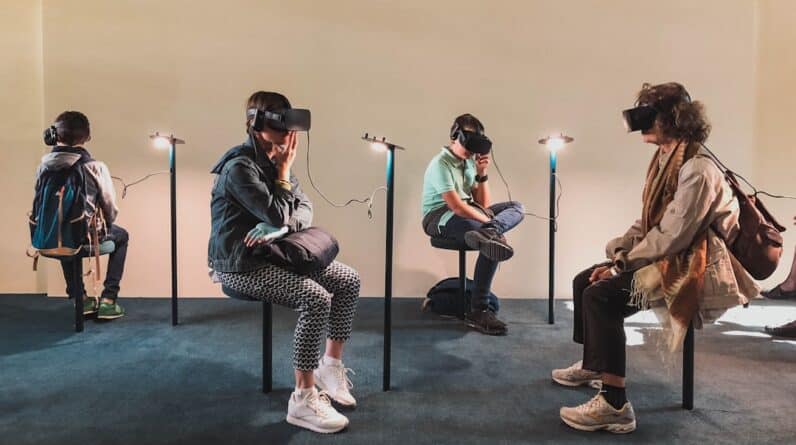
Additionally, innovations such as virtual reality (VR) and augmented reality (AR) are beginning to intersect with AI in education. These technologies have the potential to create immersive learning environments where you can explore complex concepts in a hands-on manner. Imagine studying history by virtually walking through ancient civilizations or grasping scientific principles through interactive simulations—these possibilities are becoming increasingly attainable thanks to advancements in AI.
The Promise and Potential of Artificial Intelligence in Personalized Learning
In conclusion, the promise of artificial intelligence in personalized learning is vast and transformative. As you navigate through this evolving landscape, it becomes evident that AI has the potential to revolutionize education by providing tailored experiences that cater to individual needs. From enhancing engagement and motivation to customizing content and adapting to diverse learning styles, the benefits are profound.
However, as we embrace these advancements, it is essential to remain vigilant about the challenges they present. By addressing concerns related to data privacy and equitable access, we can ensure that all students have the opportunity to thrive in an AI-enhanced educational environment. The future of personalized learning is bright, filled with innovations that will empower learners like you to take charge of your education and achieve your fullest potential.
Artificial Intelligence: The Future of Personalized Learning is a fascinating topic that explores how AI technology can revolutionize education. In a related article, Bias in AI: The Challenge of Building Fair and Neutral Systems, the discussion shifts to the importance of addressing bias in AI systems to ensure they are equitable and unbiased. This article delves into the complexities of building AI systems that are fair and neutral, highlighting the challenges that developers face in creating unbiased algorithms. It is crucial to consider these issues when implementing AI technology in personalized learning to ensure that all students have equal access to educational opportunities.
FAQs
What is Artificial Intelligence (AI)?
Artificial Intelligence (AI) refers to the simulation of human intelligence in machines that are programmed to think and act like humans. It involves the development of computer systems that can perform tasks that typically require human intelligence, such as visual perception, speech recognition, decision-making, and language translation.
How is AI used in personalized learning?
AI is used in personalized learning to create customized learning experiences for students based on their individual needs, preferences, and learning styles. It can analyze data from students’ interactions with educational content and provide personalized recommendations for learning materials, activities, and assessments.
What are the benefits of using AI in personalized learning?
The benefits of using AI in personalized learning include the ability to tailor educational experiences to individual students, improve student engagement and motivation, identify and address learning gaps, and provide real-time feedback to students and teachers. AI can also help educators make data-driven decisions to enhance teaching and learning outcomes.
What are some examples of AI applications in personalized learning?
Some examples of AI applications in personalized learning include intelligent tutoring systems, adaptive learning platforms, virtual learning assistants, and educational games and simulations. These tools use AI algorithms to analyze student data and deliver personalized learning experiences.
What are the potential challenges of using AI in personalized learning?
Some potential challenges of using AI in personalized learning include concerns about data privacy and security, the need for effective teacher training and support, the risk of reinforcing biases in educational content and recommendations, and the potential for over-reliance on technology in the learning process. It is important to address these challenges to ensure the responsible and effective use of AI in personalized learning.