In recent years, the intersection of technology and environmental stewardship has gained significant attention, particularly through the lens of artificial intelligence (AI). As you delve into the world of wildlife conservation, you will discover how AI is revolutionizing the way we protect endangered species and their habitats. The challenges facing wildlife today are immense, from habitat destruction to poaching and climate change.
Traditional conservation methods, while valuable, often fall short in addressing these complex issues effectively. This is where AI steps in, offering innovative solutions that enhance our ability to monitor, protect, and restore ecosystems. AI technologies are not just tools; they represent a paradigm shift in conservation strategies.
By harnessing the power of machine learning, data analytics, and computer vision, conservationists can now analyze vast amounts of data in real-time. This capability allows for more informed decision-making and proactive measures to safeguard wildlife. As you explore the various applications of AI in this field, you will see how it empowers researchers and organizations to tackle pressing environmental challenges with unprecedented efficiency and precision.
Key Takeaways
- AI is revolutionizing wildlife conservation efforts by providing advanced monitoring, anti-poaching, habitat protection, and data analysis solutions.
- AI is being used to monitor endangered species by analyzing data from camera traps, satellite imagery, and acoustic sensors to track population trends and behavior.
- AI is playing a crucial role in anti-poaching efforts by using predictive modeling and real-time monitoring to detect and prevent illegal activities in protected areas.
- AI is helping in habitat protection by analyzing satellite data to identify changes in land use, deforestation, and habitat fragmentation, allowing for targeted conservation efforts.
- AI is being used to combat wildlife trafficking by analyzing large datasets to identify trafficking routes, hotspots, and criminal networks, aiding law enforcement in their efforts to stop illegal trade.
AI and Monitoring of Endangered Species
One of the most critical applications of AI in wildlife conservation is the monitoring of endangered species. You may be surprised to learn that traditional methods of tracking animal populations often involve labor-intensive fieldwork, which can be both time-consuming and costly. However, AI-driven technologies have transformed this process by enabling automated monitoring systems that can gather data more efficiently.
For instance, camera traps equipped with AI algorithms can identify and classify species based on their physical characteristics, allowing researchers to track population dynamics without constant human intervention. Moreover, AI can analyze audio recordings from the field to detect specific animal calls or sounds, providing insights into species presence and behavior. This acoustic monitoring is particularly useful for elusive or nocturnal animals that are difficult to observe directly.
By employing these advanced techniques, you can appreciate how conservationists are gaining a deeper understanding of endangered species’ habits and habitats, ultimately leading to more effective conservation strategies.
AI and Anti-Poaching Efforts

The fight against poaching is one of the most urgent challenges facing wildlife conservation today. As you consider the devastating impact of illegal hunting on biodiversity, it becomes clear that innovative solutions are needed to combat this threat. AI plays a pivotal role in anti-poaching efforts by providing tools that enhance surveillance and response capabilities.
For example, drones equipped with AI technology can patrol vast areas of protected land, identifying suspicious activities or potential poachers in real-time. Additionally, machine learning algorithms can analyze patterns in poaching incidents, helping rangers predict where illegal activities are likely to occur. By understanding these patterns, you can see how conservationists can allocate resources more effectively and deploy personnel to high-risk areas before poaching occurs.
This proactive approach not only protects wildlife but also enhances the safety of park rangers who often work in dangerous conditions.
AI and Habitat Protection
Habitat loss is a significant driver of species decline, making habitat protection a cornerstone of wildlife conservation efforts. You might be intrigued to learn how AI is being utilized to monitor and manage ecosystems more effectively. Remote sensing technologies powered by AI can analyze satellite imagery to assess land use changes over time.
This capability allows conservationists to identify areas at risk of degradation and take action before irreversible damage occurs. Furthermore, AI can assist in habitat restoration projects by predicting which areas are most likely to recover successfully if given proper care. By analyzing environmental data such as soil quality, vegetation cover, and climate conditions, AI models can guide restoration efforts toward the most promising locations.
This targeted approach not only maximizes the impact of conservation initiatives but also ensures that resources are used efficiently.
AI and Wildlife Trafficking
Wildlife trafficking is a global crisis that threatens countless species and undermines conservation efforts worldwide. As you explore this issue, you will find that AI is emerging as a powerful ally in the fight against illegal trade. Machine learning algorithms can analyze vast datasets related to wildlife trafficking networks, identifying patterns and connections that may not be immediately apparent to human investigators.
This analysis can help law enforcement agencies dismantle trafficking rings and apprehend those responsible for these heinous crimes. Moreover, AI can enhance the monitoring of online marketplaces where illegal wildlife products are sold. By employing natural language processing techniques, AI systems can scan websites and social media platforms for keywords associated with wildlife trafficking.
This proactive monitoring enables authorities to take swift action against illegal sales and raise awareness about the consequences of wildlife trafficking among consumers.
AI and Data Analysis for Conservation Efforts
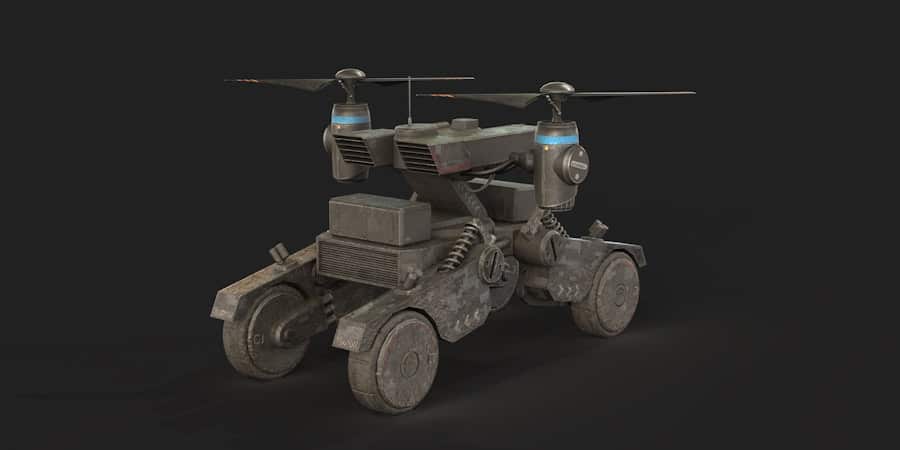
Data is at the heart of effective wildlife conservation strategies, but managing and analyzing this information can be overwhelming. You may find it fascinating how AI simplifies this process by automating data collection and analysis. Conservationists now have access to sophisticated tools that can process large datasets quickly and accurately, revealing trends and insights that inform decision-making.
For instance, AI can integrate data from various sources—such as satellite imagery, field surveys, and social media—to create comprehensive models of ecosystems and species populations. This holistic view allows conservationists to identify critical areas for intervention and prioritize their efforts accordingly. By leveraging AI for data analysis, you will see how organizations can make more informed choices that lead to successful conservation outcomes.
AI and Predictive Modeling for Conservation
Predictive modeling is another area where AI shines in wildlife conservation. As you consider the future of ecosystems in a rapidly changing world, understanding potential outcomes becomes essential for effective planning. AI-driven predictive models can simulate various scenarios based on current data, helping conservationists anticipate the impacts of climate change, habitat loss, or human activity on wildlife populations.
These models enable you to visualize potential future states of ecosystems under different management strategies or environmental conditions. By evaluating these scenarios, conservationists can develop adaptive management plans that respond proactively to emerging threats. This forward-thinking approach not only enhances resilience but also ensures that conservation efforts remain relevant in an ever-evolving landscape.
Future of AI in Wildlife Conservation
As you look ahead to the future of AI in wildlife conservation, it is clear that the potential for innovation is vast. The ongoing development of new technologies will likely lead to even more sophisticated applications in the coming years. For instance, advancements in robotics may enable autonomous systems to conduct fieldwork in remote or dangerous areas, further reducing human risk while gathering critical data.
Moreover, as public awareness of environmental issues grows, there will be increased opportunities for collaboration between technology companies and conservation organizations. You may witness partnerships that leverage cutting-edge AI research to address specific challenges faced by wildlife around the globe. The integration of citizen science initiatives with AI tools could also empower individuals to contribute to conservation efforts from their own communities.
In conclusion, the role of AI in wildlife conservation is not just a passing trend; it represents a fundamental shift in how we approach environmental protection. By embracing these technologies, you can be part of a movement that seeks to safeguard our planet’s biodiversity for future generations. The journey ahead may be complex, but with the power of AI at our disposal, there is hope for a brighter future for wildlife conservation worldwide.
AI: the Unsung Hero in Wildlife Conservation is a fascinating article that highlights the crucial role artificial intelligence plays in protecting endangered species and preserving natural habitats. For further reading on the capabilities of AI, check out Can AI Do What Humans Do?. This article delves into the potential of AI to mimic human intelligence and decision-making processes, shedding light on the advancements in technology that are revolutionizing various industries.
FAQs
What is AI?
AI, or artificial intelligence, refers to the simulation of human intelligence in machines that are programmed to think and act like humans. This includes tasks such as learning, problem-solving, and decision-making.
How is AI used in wildlife conservation?
AI is used in wildlife conservation for a variety of purposes, including monitoring and tracking animal populations, analyzing data to identify trends and threats to wildlife, and developing predictive models to help prevent poaching and habitat destruction.
What are some specific examples of AI in wildlife conservation?
Some specific examples of AI in wildlife conservation include using drones equipped with AI to track and monitor animal populations, using machine learning algorithms to analyze camera trap data and identify individual animals, and using predictive modeling to anticipate and prevent illegal poaching activities.
What are the benefits of using AI in wildlife conservation?
The benefits of using AI in wildlife conservation include more efficient and accurate data collection and analysis, the ability to monitor and protect larger areas of habitat, and the potential to develop proactive strategies for protecting endangered species.
Are there any challenges or limitations to using AI in wildlife conservation?
Some challenges and limitations to using AI in wildlife conservation include the high cost of implementing AI technology, the need for specialized expertise to develop and maintain AI systems, and the potential for ethical and privacy concerns related to the use of AI in monitoring and tracking wildlife.