In this captivating article, you’ll explore a fascinating case study that showcases the transformative power of AI in healthcare diagnostics. Discover how cutting-edge technology is revolutionizing the medical field, empowering doctors and healthcare professionals to make more accurate diagnoses and improve patient outcomes. Brace yourself for an eye-opening journey into the world of AI and its immense potential to revolutionize healthcare as we know it.
Introduction
Overview of AI in healthcare
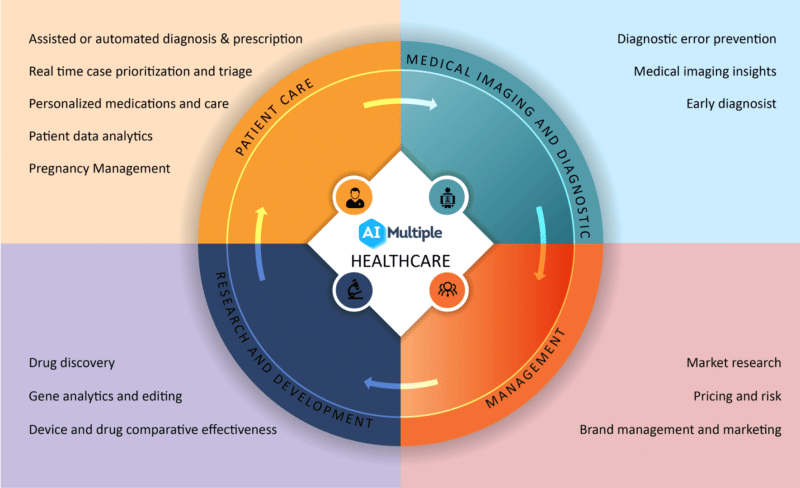
Artificial intelligence (AI) has revolutionized various industries, and healthcare is no exception. AI technologies are being increasingly integrated into healthcare systems, particularly in the field of diagnostics. AI has the potential to greatly enhance disease detection, improve accuracy in diagnostic tests, enhance image analysis in medical imaging, and provide predictive analytics for healthcare diagnostics.
Importance of healthcare diagnostics
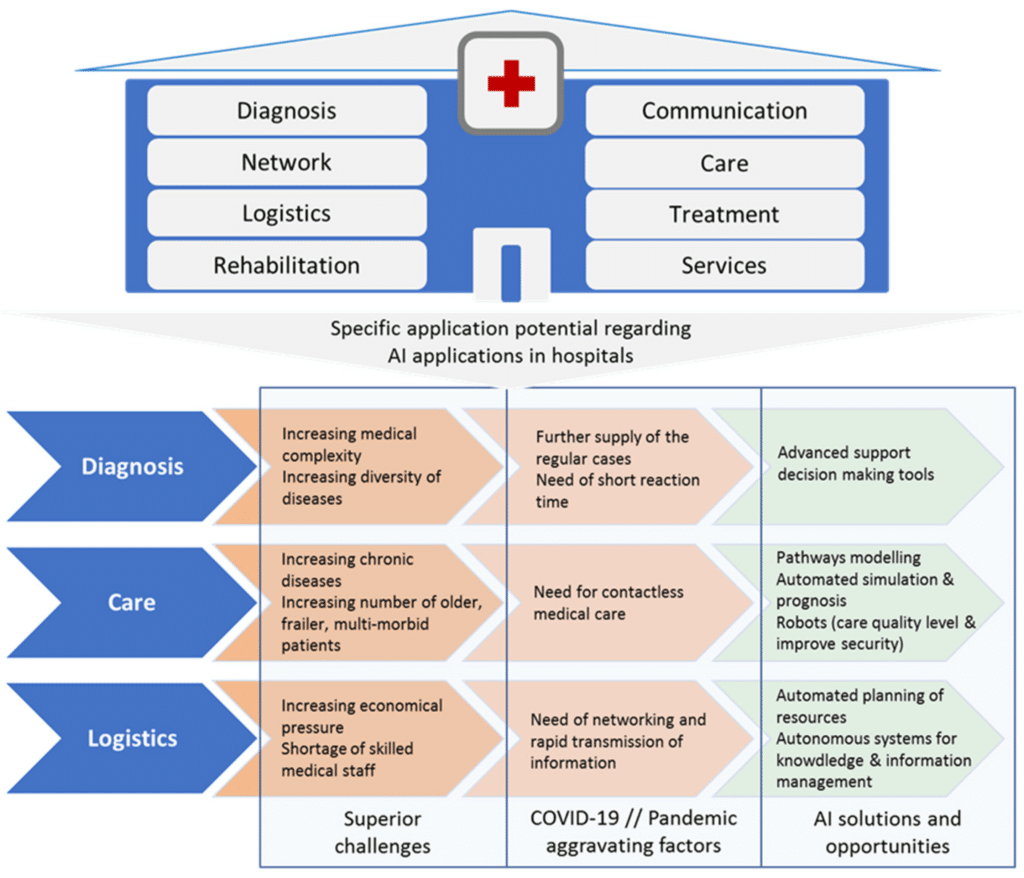
Healthcare diagnostics play a crucial role in patient care and treatment. Accurate and timely diagnosis is vital for effective treatment and better patient outcomes. However, traditional diagnostic methods have limitations, such as human error, long turnaround times, and potential for subjective interpretation. This is where AI can make a significant impact by offering more efficient and accurate diagnostic solutions.
Role of AI in Healthcare Diagnostics
Using AI for early disease detection
One of the key areas where AI excels in healthcare diagnostics is in early disease detection. Machine learning algorithms can analyze large datasets of patient information, including symptoms, laboratory results, and medical history, to identify patterns and identify potential health risks. By identifying these risks at an early stage, AI can help healthcare professionals intervene sooner and potentially prevent or better manage the progression of diseases.
Improving accuracy in diagnostic tests
AI algorithms have the potential to significantly improve the accuracy of diagnostic tests. By analyzing large amounts of data from various sources, AI can identify patterns and correlations that may not be easily detectable by human eyes. This can lead to more accurate and reliable test results, reducing the likelihood of false positives or false negatives. Improved accuracy in diagnostic tests can lead to quicker and more effective treatments for patients.
Enhancing image analysis in medical imaging
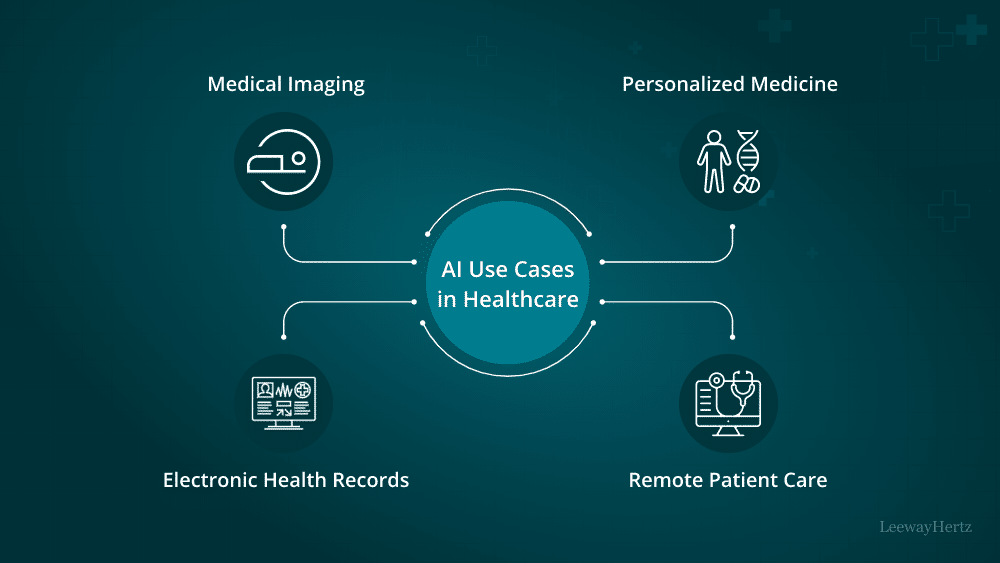
Medical imaging is a critical tool for diagnosing a wide range of diseases and conditions. AI has the ability to enhance image analysis in medical imaging, such as radiology and pathology. AI-assisted image interpretation can help healthcare professionals identify subtle abnormalities and make more accurate diagnoses. Additionally, automated image segmentation can improve the efficiency and accuracy of medical image analysis, saving time for healthcare professionals and improving patient care.
Predictive analytics in healthcare diagnostics
Predictive analytics is another area where AI can have a significant impact in healthcare diagnostics. By analyzing data from multiple sources, including patient records, genetic information, and environmental factors, AI can help predict disease progression and guide treatment planning. This can enable healthcare providers to develop personalized treatment plans, identify high-risk patients, and intervene at the right time to improve patient outcomes.
How AI is Transforming Disease Detection
Utilizing machine learning algorithms
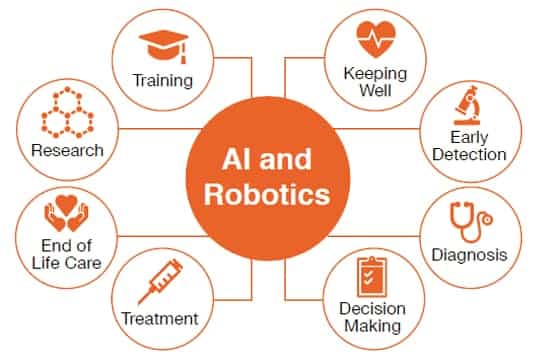
Machine learning algorithms play a crucial role in AI-driven disease detection. These algorithms are trained on large datasets to recognize patterns and correlations that can indicate the presence of diseases. Through this training, AI algorithms can become highly accurate at detecting diseases at an early stage, even before symptoms become apparent. This early detection has the potential to save lives and improve treatment outcomes.
Diagnostic accuracy and efficiency
AI can significantly improve diagnostic accuracy and efficiency in healthcare. With AI-powered diagnostic tools, healthcare professionals can obtain more accurate results in a shorter amount of time. The algorithms can process vast amounts of patient data, including medical history and test results, and provide precise diagnostic recommendations. This not only saves time but also reduces the chances of misdiagnosis or delayed diagnosis.
Early detection of diseases using AI
Early detection of diseases is crucial for successful treatment outcomes. AI can aid in the early detection of diseases by identifying potential risk factors and symptoms that may not be easily noticeable. By analyzing comprehensive datasets, AI algorithms can identify subtle changes in patient health and provide healthcare professionals with early warnings signs. This enables timely intervention, leading to more effective treatments and improved patient outcomes.
Improving Accuracy in Diagnostic Tests
AI-driven diagnostic tools
AI-driven diagnostic tools have the potential to greatly improve the accuracy of diagnostic tests. These tools use machine learning algorithms to analyze patient data and provide precise diagnostic recommendations. By taking into account a wide range of patient information, including medical history, symptoms, and test results, these tools can offer more accurate and reliable diagnoses. This can help reduce the chances of misdiagnosis and ensure appropriate treatment plans are implemented.
Reducing false positives in test results
False positives in diagnostic tests can lead to unnecessary anxiety for patients and additional medical procedures that might not be required. AI can help reduce false positives by improving the accuracy of test results. By analyzing large datasets of patient information, including relevant biomarkers and clinical parameters, AI algorithms can identify patterns and correlations that can better differentiate between true positive and false positive results. This can lead to more accurate diagnoses and reduce unnecessary medical interventions.
Enhancing speed and reliability of test analysis
AI can significantly enhance the speed and reliability of test analysis. Traditional diagnostic methods can be time-consuming, requiring manual interpretation and analysis of test results. AI algorithms, on the other hand, can quickly process large amounts of data, providing accurate and reliable results in a fraction of the time. This not only saves healthcare professionals’ time but also ensures patients receive timely diagnoses, enabling prompt treatment decisions and interventions.
Enhancing Image Analysis in Medical Imaging
AI-assisted image interpretation
AI-assisted image interpretation has the potential to greatly enhance the accuracy and efficiency of medical imaging analysis. Through deep learning algorithms, AI can recognize specific patterns and anomalies in medical images, helping healthcare professionals in their diagnostic process. By providing real-time analysis and interpretation, AI-assisted image interpretation can aid in the detection of subtle abnormalities and improve overall diagnostic accuracy.
Improving diagnostic accuracy in radiology
Radiology is a core component of medical imaging, and AI can significantly improve diagnostic accuracy in this field. AI algorithms can analyze large datasets of radiological images, identifying patterns and anomalies that may go unnoticed by human radiologists. By cross-referencing these findings with patient data, AI can provide valuable insights to support accurate diagnoses and aid in treatment planning. This can lead to improved patient outcomes and more efficient healthcare delivery.
Automated image segmentation
Image segmentation is an important step in medical image analysis, as it involves dividing medical images into meaningful regions for further analysis. AI can automate this process through advanced image segmentation algorithms. By accurately delineating structures and abnormalities within medical images, AI can save healthcare professionals’ time and ensure more precise interpretation. Automated image segmentation can facilitate the detection and measurement of specific features, contributing to improved diagnostic accuracy.
Predictive Analytics in Healthcare Diagnostics
Use of AI for predicting disease progression
Predictive analytics is a powerful application of AI in healthcare diagnostics. By analyzing large and diverse datasets, AI algorithms can identify patterns and trends that can predict the progression of diseases. By leveraging this predictive capability, healthcare providers can intervene early, implement preventive measures, and develop personalized treatment plans. AI can provide valuable insights into disease progression, enabling healthcare professionals to optimize patient care and improve outcomes.
Enhancing treatment planning
AI can significantly enhance treatment planning through predictive analytics. By analyzing patient data, medical history, and treatment outcomes, AI algorithms can identify the most effective treatment options for individual patients. This includes evaluating the efficacy of different medications, predicting potential side effects, and tailoring treatment plans to optimize patient outcomes. By leveraging AI for treatment planning, healthcare professionals can provide personalized and targeted care, resulting in better patient experiences and improved treatment outcomes.
Identifying high-risk patients
AI can play a crucial role in identifying high-risk patients. By analyzing various risk factors, including genetic information, lifestyle choices, and medical history, AI algorithms can accurately identify individuals who are at a higher risk of developing certain diseases. This information enables healthcare professionals to intervene early, provide appropriate preventive care, and closely monitor high-risk patients. By proactively addressing potential health risks, AI can contribute to reducing healthcare costs, improving patient outcomes, and saving lives.
Challenges in Implementing AI in Healthcare Diagnostics
Data privacy and security concerns
One of the key challenges in implementing AI in healthcare diagnostics is ensuring data privacy and security. Healthcare datasets contain sensitive and private patient information, and appropriate measures must be in place to protect this data. AI systems must adhere to strict regulations and standards regarding data privacy and security to maintain patient confidentiality and prevent any unauthorized access or breaches. Adequate safeguards and protocols should be implemented throughout the AI-driven diagnostic process to address these concerns effectively.
Integration with existing healthcare systems
Integrating AI into existing healthcare systems can pose a significant challenge. AI technologies need to seamlessly integrate with electronic health records (EHRs), medical devices, and other healthcare infrastructure to ensure smooth operations and data flow. This requires collaboration between AI developers and healthcare providers to develop interoperable systems that fit into existing workflows and ensure effective communication between various technologies. Proper integration is crucial for the successful implementation of AI in healthcare diagnostics.
Ethical considerations for AI in healthcare
The use of AI in healthcare diagnostics raises important ethical considerations. Healthcare professionals must ensure that AI algorithms and systems are developed and used responsibly, with patient well-being as a top priority. Ethical considerations include issues such as transparency, accountability, bias mitigation, and equitable access to AI-driven diagnostic tools. Guidelines and regulations must be in place to govern the ethical use of AI in healthcare, ensuring that it aligns with patient rights and established ethical standards.
Success Stories and Case Studies
AI-powered diagnostics in oncology
In the field of oncology, AI-powered diagnostics have shown significant promise. For example, AI algorithms have been trained to analyze medical images and accurately detect early signs of cancer, such as breast cancer or lung cancer. This early detection can lead to timely interventions and improved treatment outcomes. Additionally, AI can predict treatment response based on patient data, assisting oncologists in developing personalized treatment plans. AI-powered diagnostics in oncology have the potential to revolutionize cancer care and save many lives.
Application of AI in pathology
Pathology is another area where AI is transforming healthcare diagnostics. AI algorithms can analyze histopathological images and identify subtle changes that may indicate the presence of diseases, such as cancer. By assisting pathologists in the interpretation of these images, AI can improve diagnostic accuracy and potentially reduce the chances of misdiagnosis. AI systems can also aid in the quantification of biomarkers, allowing for more precise prognoses and treatment decisions. The application of AI in pathology has the potential to enhance patient care and streamline diagnostic processes.
AI-assisted diagnosis in cardiology
AI has shown tremendous potential in assisting cardiologists with diagnosis and treatment planning. AI algorithms can analyze patient data, including electrocardiograms (ECGs), medical histories, and other diagnostic tests, to detect abnormalities and predict cardiovascular risks. By integrating this information, AI can aid cardiologists in making accurate diagnoses, assessing disease severity, and developing personalized treatment plans. AI-assisted diagnosis in cardiology has the potential to improve patient outcomes, optimize resource allocation, and reduce healthcare costs.
Future Implications of AI in Healthcare Diagnostics
Expanding applications of AI in diagnostics
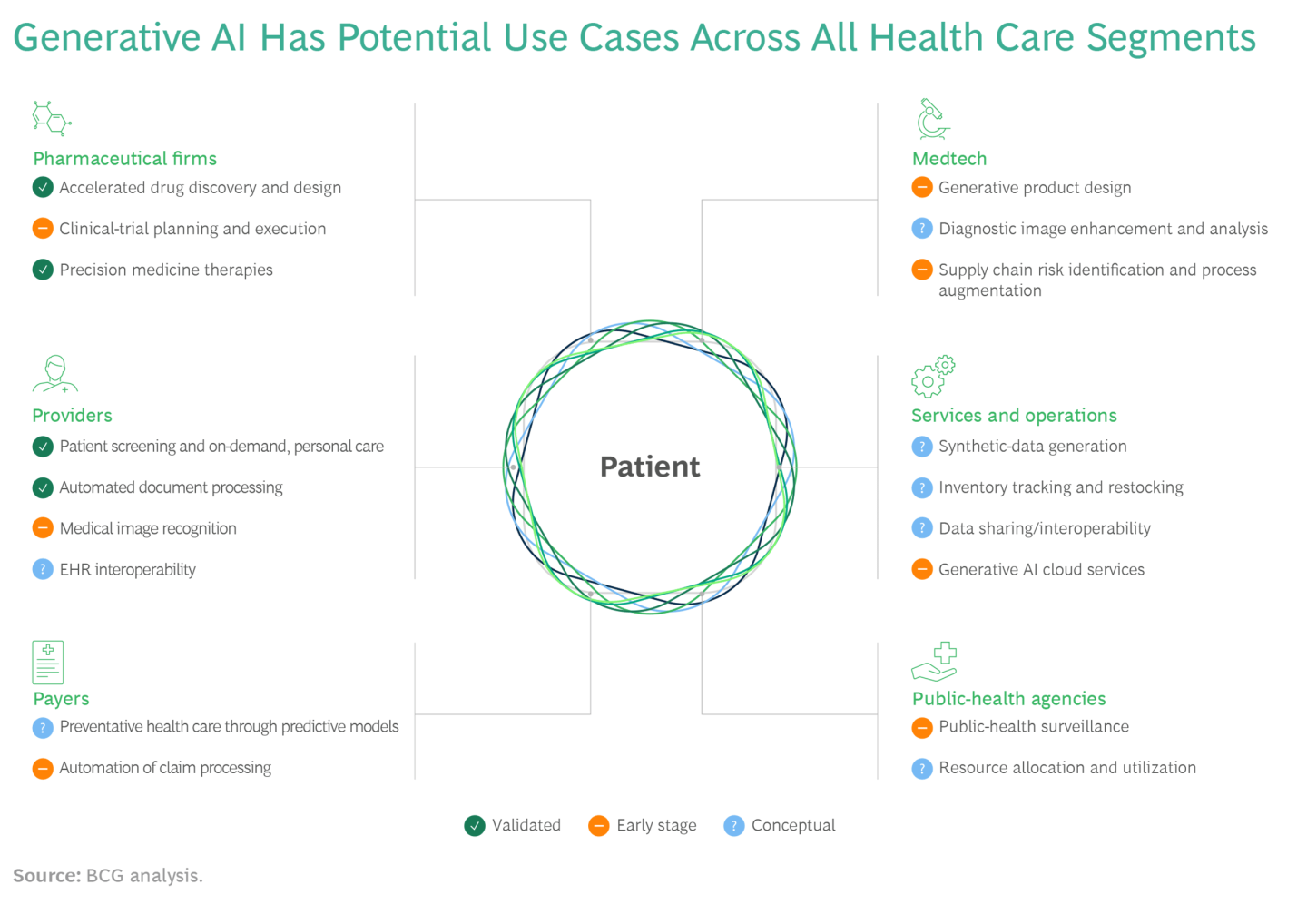
The future of AI in healthcare diagnostics is promising with the potential for expanding applications. AI-driven diagnostics can be extended to various medical specialties, enabling improved disease detection, accurate diagnoses, and efficient treatment planning across a wide range of conditions. By leveraging the advancements in AI technologies, healthcare professionals can harness the power of data and analytics to improve patient outcomes and drive advancements in the field of diagnostics.
Integration of AI with wearable devices
Wearable devices, such as smartwatches and fitness trackers, are becoming increasingly popular in monitoring various health parameters. AI can be integrated with these devices to enhance healthcare diagnostics. By analyzing real-time data from wearable devices, AI algorithms can detect patterns, identify abnormalities, and provide timely feedback to individuals and healthcare professionals. This integration can revolutionize preventive care, allowing for early detection of health risks and proactive interventions to maintain overall well-being.
Potential benefits for personalized medicine
The integration of AI in healthcare diagnostics holds great potential for personalized medicine. By analyzing patient data, genetic information, and lifestyle factors, AI algorithms can identify individualized risk profiles, tailor treatment plans, and predict treatment responses. This can result in more targeted and effective treatments, reduced adverse effects, and improved patient satisfaction. With AI-driven personalized medicine, healthcare professionals can optimize patient care, improve treatment outcomes, and contribute to the advancement of precision medicine.
Conclusion
AI is transforming healthcare diagnostics by improving disease detection, enhancing the accuracy of diagnostic tests, advancing image analysis in medical imaging, and enabling predictive analytics. Through machine learning algorithms, AI can aid in early disease detection, improving diagnostic accuracy, and facilitating personalized treatment planning. Challenges remain in terms of data privacy and security, integration with existing healthcare systems, and addressing ethical considerations. However, the success stories and case studies demonstrate the significant potential of AI in areas such as oncology, pathology, and cardiology. The future of AI in healthcare diagnostics is bright, with expanding applications, integration with wearable devices, and the potential for personalized medicine, paving the way for improved patient outcomes and advancements in healthcare.