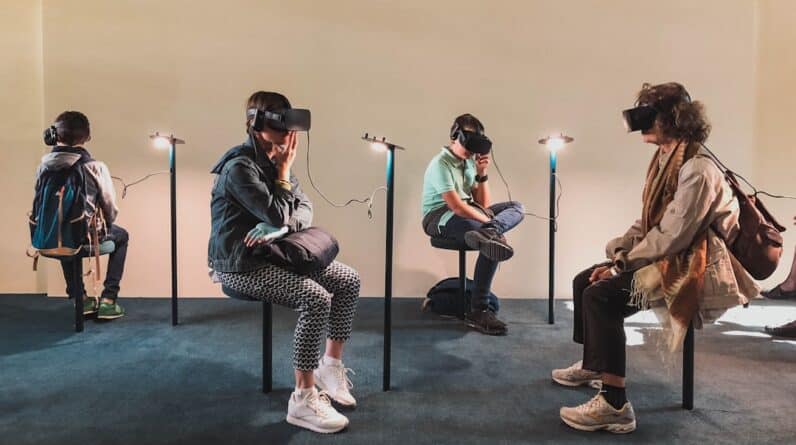
As you step into the world of augmented reality (AR), you find yourself at the intersection of digital innovation and immersive experiences. Augmented reality has transformed how you perceive and interact with your environment, blending the physical world with digital elements. At the heart of this transformation lies artificial intelligence (AI), a powerful tool that enhances the capabilities of AR, making experiences more engaging and personalized.
The integration of AI into AR is not just a technological advancement; it represents a paradigm shift in how stories are told and experienced. In this dynamic landscape, AI serves as a catalyst for creativity, enabling developers to craft narratives that adapt to your preferences and actions. As you navigate through AR environments, AI algorithms analyze your interactions, learning from your choices to create a more tailored experience.
This synergy between AI and AR opens up new avenues for storytelling, allowing you to become an active participant rather than a passive observer. The potential for immersive narratives is vast, and as you delve deeper into this realm, you’ll discover how AI is reshaping the future of interactive storytelling.
Key Takeaways
- AI plays a crucial role in enhancing the capabilities of augmented reality, allowing for more immersive and interactive experiences.
- AI enables interactive storytelling by providing personalized and adaptive content based on user behavior and preferences.
- The use of AI in augmented reality enhances user experience by providing real-time information, personalized recommendations, and interactive elements.
- AI-powered personalization in augmented reality storytelling allows for tailored experiences that cater to individual preferences and behaviors.
- The integration of AI in augmented reality has a significant impact on immersive narrative experiences, creating more engaging and personalized storytelling experiences for users.
The Role of AI in Interactive Storytelling
When you think about storytelling, you might envision traditional narratives where characters follow a predetermined path. However, with the advent of AI in interactive storytelling, the narrative landscape is evolving. AI empowers storytellers to create branching narratives that respond to your decisions in real-time.
This means that every choice you make can lead to different outcomes, making your experience unique and personal. The ability of AI to analyze your behavior and preferences allows for a level of interactivity that was previously unimaginable. Imagine walking through an augmented reality environment where the story unfolds based on your interactions.
As you explore, AI algorithms track your movements and choices, dynamically altering the narrative to reflect your journey. This creates a sense of agency that immerses you in the story, making you feel like an integral part of the experience. The role of AI in interactive storytelling is not just about enhancing engagement; it’s about creating a dialogue between you and the narrative, where your actions shape the unfolding tale.
Enhancing User Experience with AI in Augmented Reality
Your experience in augmented reality is significantly enhanced by the integration of AI technologies. As you engage with AR applications, AI works behind the scenes to optimize various aspects of your interaction. For instance, computer vision algorithms can recognize objects in your environment, allowing digital elements to seamlessly blend with the physical world.
This creates a more immersive experience, as you can interact with virtual characters or objects that appear to exist in your real surroundings. Moreover, AI can analyze your emotional responses through facial recognition and sentiment analysis, tailoring the experience to suit your mood. If you’re feeling adventurous, the narrative might take a thrilling turn; if you’re in a contemplative state, it could offer a more reflective storyline.
This level of personalization not only enhances your engagement but also fosters a deeper emotional connection with the narrative. By leveraging AI to understand and respond to your needs, augmented reality becomes a more intuitive and enjoyable medium for storytelling.
AI-Powered Personalization in Augmented Reality Storytelling
Personalization is at the core of what makes augmented reality storytelling so compelling. With AI’s ability to gather and analyze data about your preferences and behaviors, AR experiences can be tailored specifically for you. Imagine entering an AR world where every character knows your name, remembers your past choices, and adapts their dialogue accordingly.
This level of personalization creates a sense of intimacy and connection that traditional storytelling methods often lack. As you engage with an AR narrative, AI algorithms can curate content based on your interests, ensuring that the story resonates with you on a personal level. Whether it’s adjusting the difficulty of challenges or introducing plot twists that align with your preferences, AI empowers storytellers to create experiences that feel uniquely yours.
This not only enhances your enjoyment but also encourages deeper exploration within the narrative, as you feel more invested in the outcomes shaped by your decisions.
The Impact of AI on Immersive Narrative Experiences
The impact of AI on immersive narrative experiences cannot be overstated. As you immerse yourself in augmented reality environments enriched by AI, you encounter stories that are not only visually stunning but also deeply engaging on an emotional level. The ability of AI to create adaptive narratives means that every interaction can lead to unexpected twists and turns, keeping you on the edge of your seat.
Furthermore, AI enhances the realism of characters within these narratives. With natural language processing capabilities, virtual characters can engage in meaningful conversations with you, responding intelligently to your queries and comments. This level of interactivity blurs the line between fiction and reality, making it easier for you to suspend disbelief and fully engage with the story.
As a result, immersive narrative experiences become more than just entertainment; they evolve into profound explorations of human emotion and connection.
Challenges and Opportunities of Integrating AI in Augmented Reality
While the integration of AI into augmented reality presents exciting opportunities, it also comes with its share of challenges. One significant hurdle is ensuring that AI algorithms are ethical and unbiased. As you navigate through AR experiences shaped by AI, it’s crucial that these systems respect privacy and do not perpetuate harmful stereotypes or biases.
Developers must prioritize transparency and accountability in their algorithms to build trust with users like you. Another challenge lies in the technical complexities involved in creating seamless interactions between AI and AR elements. Ensuring that virtual characters respond naturally to your actions requires sophisticated programming and extensive testing.
However, overcoming these challenges can lead to groundbreaking advancements in storytelling techniques. As developers continue to innovate and refine their approaches, you’ll likely witness even more captivating narratives that leverage the full potential of AI in augmented reality.
Future Trends and Developments in AI and Augmented Reality Storytelling
Looking ahead, the future of AI in augmented reality storytelling is brimming with potential. As technology continues to evolve, you can expect even more sophisticated AI algorithms capable of creating hyper-personalized experiences. Imagine stepping into an AR world where every detail—from character design to plot development—is tailored specifically for you based on your past interactions and preferences.
Additionally, advancements in machine learning will enable AR applications to learn from collective user behavior, allowing for richer storytelling experiences that resonate with broader audiences while still maintaining individual personalization. The integration of voice recognition technology will further enhance interactivity, enabling you to converse naturally with virtual characters as if they were real companions on your journey.
The Potential of AI in Shaping the Future of Interactive Storytelling
As you reflect on the transformative power of AI in augmented reality storytelling, it becomes clear that this technology holds immense potential for shaping the future of interactive narratives. The ability to create personalized experiences that adapt to your choices not only enhances engagement but also fosters deeper emotional connections with stories. With each advancement in AI technology, new possibilities emerge for crafting immersive narratives that resonate with audiences on multiple levels.
In this ever-evolving landscape, embracing the synergy between AI and augmented reality will pave the way for innovative storytelling techniques that redefine how we experience narratives. As you continue to explore this fascinating intersection of technology and creativity, you’ll find yourself at the forefront of a revolution in storytelling—one where your choices matter, and every experience is uniquely yours. The future is bright for those willing to embrace the potential of AI in shaping interactive storytelling, inviting you to embark on journeys limited only by imagination.
AI in Augmented Reality: the Future of Interactive Storytelling is a fascinating topic that explores the potential of artificial intelligence in enhancing storytelling experiences. In a related article, How Artificial Intelligence Will Change the Future, the author delves into the various ways AI is shaping our world and how it will continue to revolutionize different industries, including entertainment and storytelling. The article discusses the potential of AI to create more immersive and interactive narratives, offering a glimpse into the exciting possibilities that lie ahead.
FAQs
What is AI in augmented reality?
AI in augmented reality refers to the integration of artificial intelligence technology into AR experiences. This allows for more interactive and personalized storytelling experiences by leveraging AI to understand and respond to user behavior and input.
How does AI enhance interactive storytelling in augmented reality?
AI enhances interactive storytelling in augmented reality by enabling more dynamic and personalized experiences. AI can analyze user behavior and preferences to tailor the storytelling experience in real-time, creating a more engaging and immersive narrative for the user.
What are some examples of AI in augmented reality for interactive storytelling?
Examples of AI in augmented reality for interactive storytelling include AI-powered characters that can interact with users in real-time, personalized storylines that adapt based on user input, and AI-driven voice recognition for natural language interactions within the AR experience.
What are the potential benefits of AI in augmented reality for interactive storytelling?
The potential benefits of AI in augmented reality for interactive storytelling include increased user engagement, more personalized and immersive experiences, and the ability to create dynamic and evolving narratives that respond to user input in real-time.
What are the challenges of integrating AI into augmented reality for interactive storytelling?
Challenges of integrating AI into augmented reality for interactive storytelling include the need for robust AI algorithms that can understand and respond to user behavior effectively, as well as the potential for privacy concerns related to the collection and use of user data for personalization.