In the rapidly evolving field of energy management, artificial intelligence (AI) has emerged as a powerful tool for optimizing power consumption. By harnessing the capabilities of AI algorithms and machine learning, businesses and individuals can now gain valuable insights into their energy usage patterns and make more informed decisions to reduce waste and increase efficiency. With the potential to revolutionize the way we consume and manage energy, AI is paving the way for a greener, more sustainable future.
Introduction
AI, or Artificial Intelligence, has transformed various industries, and its potential in energy management is undeniable. In this article, we will explore the definition of AI in energy management and the importance of optimizing power consumption to address the pressing issues of energy efficiency, cost reduction, environmental impact, reliability, and safety.
Definition of AI in Energy Management
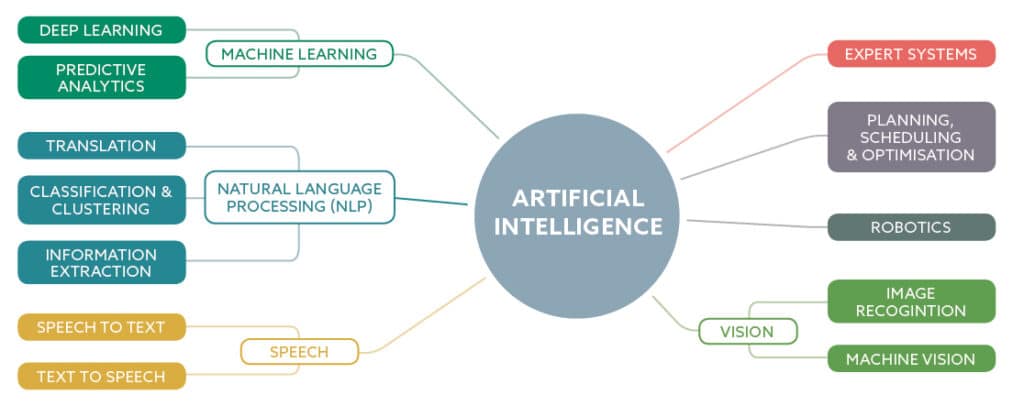
AI in energy management refers to the utilization of advanced technologies and algorithms to optimize the generation, distribution, and consumption of energy. It involves the integration of machine learning, predictive analytics, and other AI techniques to make intelligent decisions and automate energy-related processes.

Importance of Optimizing Power Consumption
Optimizing power consumption plays a crucial role in achieving energy efficiency and sustainability. By maximizing the utilization of available energy resources, businesses and consumers can reduce energy wastage, lower operational costs, minimize environmental impact, and enhance the reliability and safety of energy systems.
Benefits of AI in Energy Management
Efficient Power Consumption
One of the primary benefits of AI in energy management is efficient power consumption. AI algorithms can analyze various factors such as historical energy data, real-time weather conditions, building occupancy, and production schedules to optimize energy consumption. By dynamically adjusting power usage, AI can ensure that energy is utilized efficiently, reducing waste and promoting sustainability.
Cost Reduction
AI in energy management can significantly contribute to cost reduction. By analyzing energy consumption patterns and identifying areas of improvement, AI systems can recommend energy-saving measures. These recommendations can range from implementing energy-efficient equipment to optimizing operational processes. By implementing these measures, businesses can reduce their energy bills and improve their overall financial performance.
Environmental Impact
Reducing the environmental impact of energy consumption is a global concern. AI can play a vital role in achieving this goal by optimizing power consumption. By identifying energy-saving opportunities, AI systems can minimize greenhouse gas emissions, promote the use of renewable energy sources, and contribute to a more sustainable future.
Increase in Reliability and Safety
AI in energy management can enhance the reliability and safety of energy systems. AI algorithms can continuously monitor the performance of energy infrastructure, identify potential faults or anomalies, and take proactive measures to prevent system failures. Additionally, AI can optimize load balancing and promote grid stability, ensuring a safe and uninterrupted supply of energy.

Challenges in Implementing AI in Energy Management
While the potential benefits of AI in energy management are significant, there are several challenges that need to be addressed for successful implementation.
Data Availability and Privacy Concerns
One challenge in implementing AI in energy management is the availability and quality of data. AI systems rely on vast amounts of data for training and decision-making. Lack of accurate and comprehensive data can limit the effectiveness of AI algorithms. Additionally, the integration of AI may raise privacy concerns as it involves collecting and analyzing sensitive energy consumption data.
Lack of Awareness and Expertise
The lack of awareness and expertise in AI technologies is another challenge. Many energy management professionals may not have sufficient knowledge or skills to understand and implement AI solutions. Addressing this challenge requires comprehensive training and education programs to empower professionals with the necessary expertise to leverage the potential of AI in energy management.
Integration with Existing Systems
Integrating AI systems with existing energy management infrastructure can be complex and challenging. Many energy systems and equipment may not be equipped with the necessary sensors or data acquisition capabilities to support AI integration. Retrofitting existing systems for AI compatibility can be costly and time-consuming, requiring careful planning and coordination.
High Initial Cost
Implementing AI in energy management often involves a significant upfront investment. The cost of AI systems, hardware, software, and necessary infrastructure upgrades can be substantial, especially for small and medium-sized businesses. The high initial cost can pose a barrier to entry for many organizations, limiting the widespread adoption of AI in energy management.
AI Techniques and Tools for Power Consumption Optimization
To achieve power consumption optimization, various AI techniques and tools can be employed.
Machine Learning Algorithms
Machine learning algorithms enable AI systems to learn and adapt from data, optimizing power consumption based on historical and real-time energy consumption patterns. These algorithms can identify energy-saving opportunities, predict energy demand, and optimize energy supply to maximize efficiency and minimize waste.
Predictive Analytics
Predictive analytics leverages historical energy data and other relevant information to forecast future energy consumption patterns. By analyzing trends and factors influencing energy usage, predictive analytics can optimize energy supply and demand, allowing businesses to align their energy consumption with expected needs more accurately.
Demand Response Systems
Demand response systems enable businesses and consumers to adjust their energy consumption based on changes in energy supply and demand. AI-powered demand response systems can automatically respond to real-time price signals or grid conditions, reducing energy usage during peak demand periods and optimizing energy consumption based on available resources.
Virtual Power Plants
Virtual power plants provide a flexible and efficient way to manage distributed energy resources. AI can optimize the operation of virtual power plants by intelligently aggregating and coordinating these resources, maximizing energy generation, consumption, and storage capabilities. This results in increased efficiency, reliability, and cost savings.

Case Studies on AI in Energy Management
To understand the practical application of AI in energy management, let us explore a few case studies.
Smart Grids
AI is revolutionizing the management of smart grids. By leveraging AI algorithms, smart grids can dynamically monitor, analyze, and optimize energy usage across the grid. Smart grids can detect anomalies, predict demand, and automatically adjust energy allocation to ensure efficient power distribution, reduce downtime, and improve overall reliability.
Energy Storage Systems
AI plays a crucial role in optimizing the operation and management of energy storage systems. By analyzing historical data, weather patterns, and grid conditions, AI systems can determine the optimal charging and discharging schedules for energy storage systems. This maximizes energy utilization, minimizes costs, and enhances the reliability of energy supply.
Renewable Energy Integration
Integrating renewable energy sources into the grid requires effective management and balancing of intermittent energy generation. AI can optimize the integration of renewable energy by forecasting generation patterns, coordinating power flow, and managing energy storage systems. This ensures the efficient utilization of renewable energy resources and promotes a sustainable energy ecosystem.
Regulations and Policies for AI in Energy Management
Several regulations and policies address the implementation and use of AI in energy management. These regulations aim to ensure data privacy, promote energy efficiency, and provide incentives for adopting AI technologies.
Privacy and Data Protection Laws
As AI systems require access to sensitive consumer data, privacy and data protection laws are essential. These laws regulate the collection, storage, and use of personal data, ensuring that AI applications in energy management comply with legal and ethical standards.
Energy Efficiency Standards
To encourage energy efficiency, governments and regulatory bodies have established energy efficiency standards. These standards set specific requirements for energy-consuming devices, encouraging manufacturers and consumers to adopt energy-efficient technologies. AI can play a significant role in achieving compliance with these standards by optimizing power consumption.
Government Incentives and Support
Governments often provide incentives and support programs to promote the adoption of AI in energy management. These programs may include financial incentives, tax breaks, grants, or subsidies to encourage businesses, utilities, and consumers to invest in AI technologies. Such initiatives facilitate the widespread adoption of AI, driving energy efficiency and sustainability.

Future Trends and Developments
The future of AI in energy management looks promising, with several trends and developments on the horizon.
Advanced AI Systems for Energy Management
Technological advancements in AI will lead to more sophisticated AI systems specifically designed for energy management. These advanced AI systems will have enhanced predictive capabilities, improved optimization algorithms, and the ability to handle vast amounts of real-time data. As a result, energy management processes will become even more efficient and effective.
Blockchain Technology for Energy Trading
The integration of blockchain technology with AI holds immense potential for energy trading. Blockchain can enable secure, transparent, and decentralized energy transactions, empowering consumers to sell surplus energy directly to other consumers. When combined with AI algorithms, blockchain can optimize energy trading, matching energy supply with demand, and facilitating peer-to-peer energy sharing.
Collaborative AI Systems for Peer-to-Peer Energy Sharing
Collaborative AI systems will facilitate peer-to-peer energy sharing. These systems will enable energy consumers to exchange excess energy based on real-time demand and supply conditions. By leveraging AI algorithms, collaborative energy systems can orchestrate energy sharing among consumers and businesses, reducing energy waste and promoting a more sustainable energy ecosystem.
Conclusion
AI in energy management plays a pivotal role in optimizing power consumption. By efficiently utilizing energy resources, businesses and consumers can achieve cost reduction, minimize environmental impact, enhance reliability, and improve safety. Despite the challenges in implementing AI, the benefits it offers make it a crucial tool for addressing the pressing energy-related issues of our time. As AI continues to evolve and technologies advance, the future of energy management looks promising with endless possibilities for optimization and sustainability.