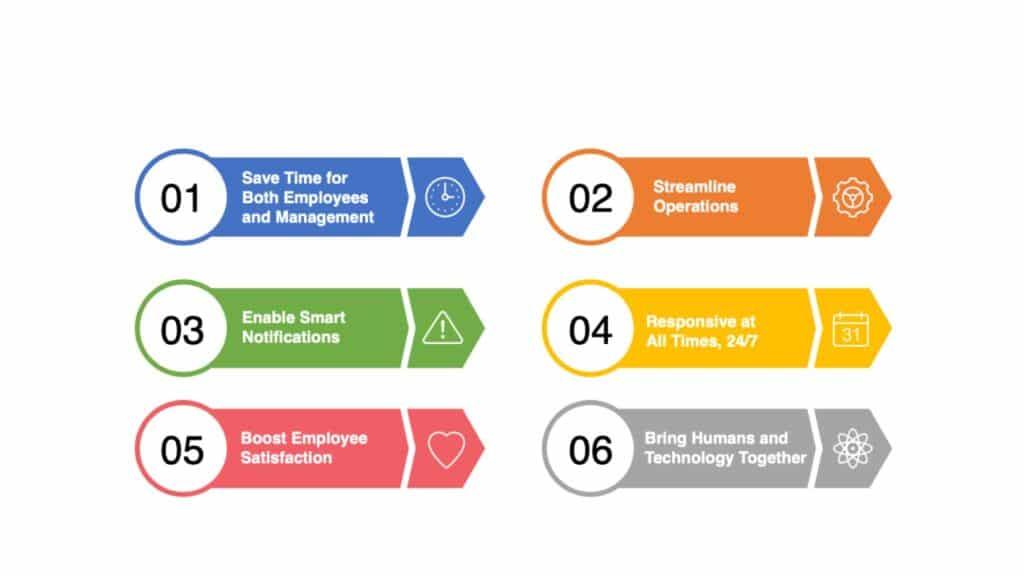
In today’s fast-paced world, 1AI-Powered Virtual Assistants have become an indispensable tool for boosting productivity and improving user experience. These advanced virtual assistants leverage artificial intelligence to handle a variety of tasks, from scheduling appointments and managing emails to providing personalized recommendations and resolving customer queries. By streamlining workflows and automating repetitive tasks, these virtual assistants enable individuals and organizations to focus on more strategic and value-added activities. With their ability to learn and adapt, they continuously enhance user experience, delivering tailored solutions and making our lives easier.
I. Definition of AI-Powered Virtual Assistants
A. What are AI-Powered Virtual Assistants
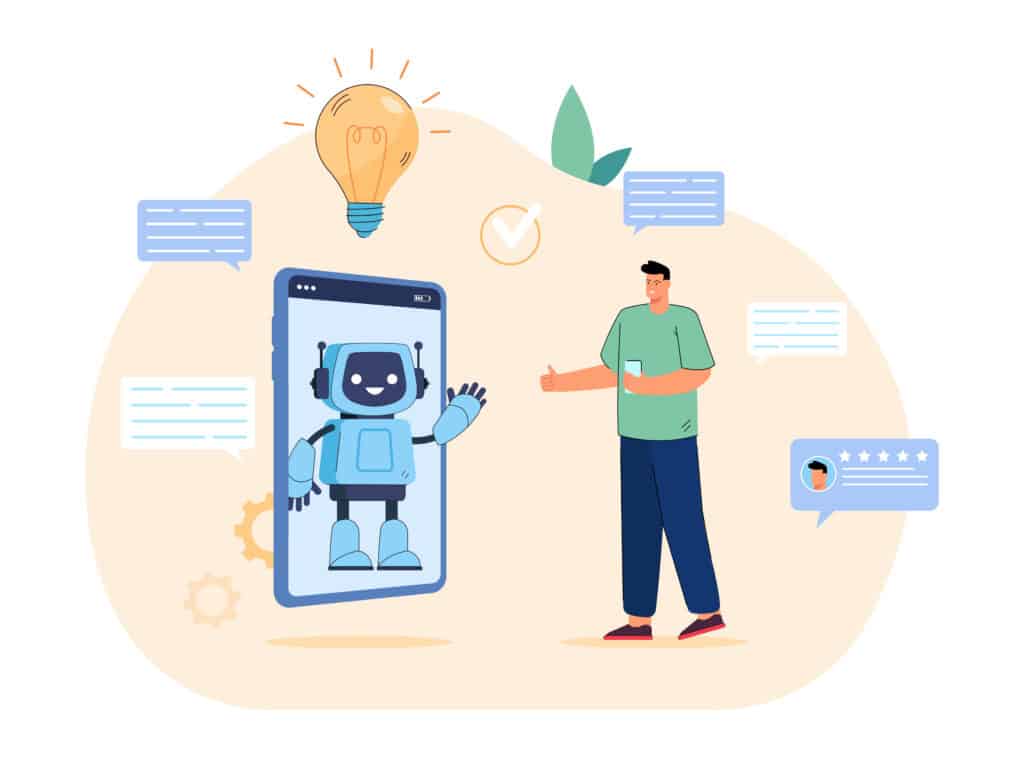
AI-Powered Virtual Assistants, also known as AI-VAs, are intelligent software programs or applications that use artificial intelligence and natural language processing technologies to provide assistance and perform tasks for users. These assistants simulate human conversation through voice and text interactions and are designed to understand and respond to user commands and queries. AI-Powered Virtual Assistants can be found in both personal devices and work environments, helping users with various tasks such as scheduling, data analysis, personal finance management, and more.
B. How do AI-Powered Virtual Assistants work
AI-Powered Virtual Assistants work by employing advanced algorithms and machine learning techniques to understand human language and behavior. They analyze and interpret the user’s queries or commands to generate relevant responses or actions. These assistants can access databases or external sources of information to retrieve accurate answers or perform tasks on behalf of the user. They continuously learn and adapt based on user interactions, improving their performance and accuracy over time. The underlying AI technology allows these virtual assistants to understand context, infer user intent, and provide personalized assistance.
II. Benefits of AI-Powered Virtual Assistants
A. Enhancing productivity
AI-Powered Virtual Assistants offer significant benefits in terms of enhancing productivity. They can handle multiple tasks simultaneously, freeing up valuable time for users to focus on more complex or strategic activities. By automating repetitive tasks, these assistants allow users to streamline their workflows and accomplish tasks more efficiently. They can also provide real-time reminders, schedule optimizations, and task prioritization, helping users stay organized and meet deadlines. Overall, AI-Powered Virtual Assistants play a crucial role in boosting productivity and ensuring efficient task management.
B. Improving user experience
AI-Powered Virtual Assistants are designed to provide a seamless and user-friendly experience. They offer natural language interactions, making it easier for users to communicate and interact with the technology. These assistants can understand various accents, dialects, and speech patterns, ensuring a smooth and effortless user experience. By leveraging machine learning, they continuously improve their language understanding and response capabilities, enhancing the overall user experience. Whether it’s getting instant answers to queries or performing tasks through voice commands, AI-Powered Virtual Assistants strive to provide a convenient and personalized experience for users.
C. Reducing workload
One of the key benefits of AI-Powered Virtual Assistants is their ability to reduce workload. These assistants can handle a wide range of tasks, including administrative work, data analysis, scheduling, and more. By automating these tasks, AI-VAs alleviate the burden on individuals or teams, allowing them to focus on higher-value activities that require human expertise and creativity. With AI-Powered Virtual Assistants taking care of routine and time-consuming tasks, individuals can experience a significant reduction in their workload, leading to increased efficiency and job satisfaction.
D. Streamlining tasks
AI-Powered Virtual Assistants streamline tasks by providing efficient and accurate solutions to users’ queries and problems. These assistants have access to vast amounts of data and resources, enabling them to quickly retrieve information or perform tasks without the need for manual intervention. For example, they can retrieve relevant documents, schedule meetings, provide directions, or even make reservations. By streamlining tasks and automating processes, AI-VAs help users save time and effort, resulting in improved efficiency and a smoother workflow.

III. AI-Powered Virtual Assistants in the Workplace
A. Assisting with scheduling and time management
AI-Powered Virtual Assistants excel in assisting users with scheduling and time management tasks. They can analyze calendars, prioritize tasks, and optimize schedules to ensure efficient use of time. Whether it’s setting reminders, rescheduling meetings, or coordinating multiple calendars, AI-VAs simplify the process and help users stay organized. By taking care of these administrative tasks, AI-Powered Virtual Assistants enable individuals and teams to focus on more critical work, ultimately increasing productivity in the workplace.
B. Automating repetitive tasks
Repetitive tasks can be a significant drain on productivity and employee morale. AI-Powered Virtual Assistants offer a solution by automating these repetitive tasks, ranging from data entry to email management. These assistants can handle routine emails, categorize and organize incoming messages, and even draft responses based on predefined templates or user preferences. By taking over these time-consuming tasks, AI-VAs enable employees to allocate their time and energy towards more complex and value-added activities, leading to increased job satisfaction and efficiency.
C. Increasing efficiency in communication
Effective communication is crucial in any workplace setting. AI-Powered Virtual Assistants can enhance communication efficiency by transcribing and summarizing meetings, providing instant translations, or even offering suggestions for improving email or document drafts. These assistants can also facilitate seamless communication across different channels and platforms, ensuring that information is easily accessible and shared. By improving communication efficiency, AI-Powered Virtual Assistants help teams collaborate more effectively, leading to better decision-making and overall productivity.
D. Facilitating data analysis and research
Data analysis and research are integral parts of many work environments. AI-Powered Virtual Assistants can assist in these areas by quickly retrieving and analyzing relevant data, generating reports, or even providing insights and recommendations. These assistants can sift through large volumes of data, detect patterns, and provide valuable information to support decision-making processes. By facilitating data analysis and research, AI-VAs enable individuals and teams to make informed decisions and drive innovation in the workplace.
IV. AI-Powered Virtual Assistants for Personal Use
A. Managing personal schedules and reminders
AI-Powered Virtual Assistants play a significant role in managing personal schedules and reminders. They can help individuals stay organized by setting reminders for important events, appointments, or deadlines. These assistants can also optimize personal calendars, suggesting the best times for various activities based on preferences and availability. By managing personal schedules effectively, AI-Powered Virtual Assistants ensure that individuals are on top of their commitments and can allocate their time efficiently.
B. Assisting with personal finance and budgeting
Managing personal finances and budgeting can be challenging for many individuals. AI-Powered Virtual Assistants can assist in this area by tracking expenses, categorizing transactions, and providing insights into spending habits. These assistants can also offer personalized recommendations and suggestions for improving financial health, such as saving opportunities or investment options. By providing assistance and guidance in personal finance management, AI-VAs empower individuals to make informed decisions and achieve their financial goals.
C. Providing recommendations and suggestions
AI-Powered Virtual Assistants excel in providing recommendations and suggestions tailored to individuals’ preferences and needs. Whether it’s recommending movies, books, restaurants, or even travel destinations, these assistants leverage vast amounts of data and user feedback to offer personalized suggestions. They can analyze user preferences, past interactions, and social connections to provide highly relevant recommendations. By offering personalized recommendations, AI-Powered Virtual Assistants enhance user experiences and help individuals discover new and exciting options.
D. Supporting health and wellness tracking
Maintaining good health and wellness is a priority for many individuals. AI-Powered Virtual Assistants can support health and wellness tracking by monitoring activity levels, sleep patterns, or even providing reminders for exercise or medication. These assistants can offer personalized insights and recommendations for maintaining a healthy lifestyle based on an individual’s goals and preferences. By supporting health and wellness tracking, AI-Powered Virtual Assistants enable individuals to make informed decisions and prioritize their well-being.
V. Integration with Smart Home Devices
A. Controlling home appliances and devices
Integration with smart home devices allows AI-Powered Virtual Assistants to control and manage various appliances and devices in the home. From adjusting thermostat settings and lighting levels to controlling entertainment systems or even starting kitchen appliances remotely, these assistants offer convenience and automation. Voice commands or smartphone apps can provide seamless control, making it easier for individuals to manage their homes and enhance their overall comfort.
B. Monitoring and improving energy efficiency
AI-Powered Virtual Assistants can also play a role in monitoring and improving energy efficiency in smart homes. They can analyze energy consumption patterns, suggest energy-saving settings, and even automate energy management based on user preferences and occupancy patterns. By monitoring and optimizing energy usage, these assistants contribute to sustainability efforts and help individuals reduce their carbon footprint.
C. Enhancing security and safety
AI-Powered Virtual Assistants can enhance security and safety in smart homes by integrating with security systems and devices. They can monitor cameras, detect suspicious activities, and alert homeowners in case of potential security threats. These assistants can also control door locks, provide access control, or even simulate occupancy to deter burglars. By offering enhanced security features, AI-Powered Virtual Assistants provide peace of mind and contribute to a safer home environment.
VI. Ethical Considerations with AI-Powered Virtual Assistants
A. Privacy and data security
The increasing reliance on AI-Powered Virtual Assistants raises concerns about privacy and data security. As these assistants continuously learn from user interactions, they capture and process vast amounts of personal data. It is essential for users and manufacturers to prioritize privacy measures and ensure secure storage and handling of this data. Transparency in data collection and user consent for data usage are crucial to maintain user trust and protect sensitive information.
B. Bias and fairness
AI-Powered Virtual Assistants, like any AI system, can be susceptible to biases and unfair treatment. These biases can be inadvertently learned from training data or reflect societal biases present in the data. It is crucial to establish algorithms that actively address biases and ensure fairness in how AI-VAs interact with users. Fostering diversity and inclusivity in the development and training of these assistants is essential to avoid perpetuating existing biases.
C. Transparency and user trust
Trust is a vital component of the relationship between users and AI-Powered Virtual Assistants. Users need to understand how these assistants work, what data is collected, and how it is used. Manufacturers and developers should prioritize transparency in their AI systems, providing clear information and controls to users. Regular updates and improvements to enhance transparency and address user concerns can help build and maintain trust between users and AI-Powered Virtual Assistants.
VII. Future Developments in AI-Powered Virtual Assistants
A. Advancements in natural language processing
Advancements in natural language processing will continue to improve the capabilities of AI-Powered Virtual Assistants. Enhanced language understanding and response capabilities will enable more complex interactions and nuanced conversations. The ability to comprehend ambiguous or contextual language will allow these assistants to provide more accurate and helpful responses, further enhancing the user experience.
B. Integration with augmented reality
The integration of AI-Powered Virtual Assistants with augmented reality has the potential to revolutionize user experiences. By overlaying virtual information or objects onto the real world, these assistants can provide intuitive and contextually relevant assistance. For example, they can guide users through complex tasks or provide real-time information and suggestions based on the user’s environment.
C. Personalization and customization
Personalization and customization will be key areas of development for AI-Powered Virtual Assistants. These assistants will continue to learn and adapt according to individual user preferences, behaviors, and requirements. The ability to provide highly personalized assistance will result in more tailored recommendations, suggestions, and solutions, further enhancing user satisfaction and engagement.
D. Continued growth in capabilities
AI-Powered Virtual Assistants will continue to expand their capabilities and become even more versatile in assisting users. They will be able to handle increasingly complex tasks, learn from new data sources, and integrate with more applications and services. With advancements in AI technologies, these assistants will offer an ever-growing range of features and functionalities, making them indispensable tools for both personal and professional use.
VIII. Industry Examples of AI-Powered Virtual Assistants
A. Amazon Alexa
Amazon Alexa is an AI-Powered Virtual Assistant developed by Amazon. It is integrated into the Amazon Echo smart speaker and other compatible devices. Alexa can perform a wide range of tasks, including voice-controlled music playback, setting reminders, answering questions, and controlling smart home devices. Its skills and capabilities continue to expand through regular updates and third-party integrations.
B. Google Assistant
Google Assistant is an AI-Powered Virtual Assistant developed by Google. It is available on various devices, including smartphones, smart speakers, and smart displays. Google Assistant can perform tasks such as answering questions, providing directions, playing music, and controlling compatible smart home devices. Its integration with Google’s vast ecosystem of services and knowledge makes it a versatile assistant for users.
C. Apple Siri
Apple Siri is an AI-Powered Virtual Assistant developed by Apple. It is available on Apple devices, including iPhones, iPads, Macs, and HomePod. Siri can handle a wide range of tasks, such as sending messages, making calls, setting reminders, and providing recommendations. Its integration with Apple’s ecosystem allows for seamless interactions across devices and services.
D. Microsoft Cortana
Microsoft Cortana is an AI-Powered Virtual Assistant developed by Microsoft. It is available on Windows devices, including PCs, smartphones, and Xbox consoles. Cortana can assist users with tasks such as setting reminders, searching the web, managing calendars, and controlling compatible smart home devices. Its integration with Microsoft’s suite of applications and services enhances productivity and collaboration for users.
IX. Challenges and Limitations of AI-Powered Virtual Assistants
A. Language and context understanding
While AI-Powered Virtual Assistants have made significant advancements in language understanding, challenges related to language nuances and context comprehension still exist. They may struggle to accurately interpret complex or ambiguous queries, leading to inaccurate responses. Improving their ability to understand user intent and context will be crucial to enhance their capabilities and provide more accurate and relevant assistance.
B. Emotional intelligence
Emotional intelligence is an area where AI-Powered Virtual Assistants still have limitations. Understanding and responding to complex human emotions, tones, and non-verbal cues remain challenging for these assistants. Developing emotional intelligence features would enable them to provide more empathetic and personalized interactions, making the user experience even more impactful.
C. Handling complex tasks
While AI-Powered Virtual Assistants excel at automating routine tasks and providing quick answers, they may struggle with more complex or multi-step tasks that require extensive reasoning or decision-making. These assistants may not have the cognitive capabilities and domain expertise needed to handle such tasks effectively. Overcoming these limitations will be crucial for expanding their use cases and applicability across various domains.
D. Dependency and over-reliance
As AI-Powered Virtual Assistants become more integrated into daily life, there is a risk of over-reliance and dependency on these assistants. Users may become less proactive or critical in their thinking and decision-making, relying heavily on the virtual assistant for guidance. Striking a balance between using AI-Powered Virtual Assistants as a helpful tool and retaining individual capabilities and autonomy is essential to prevent dependency and maintain personal growth.
X. Conclusion
A. Recap of the benefits and potential of AI-Powered Virtual Assistants
AI-Powered Virtual Assistants offer numerous benefits and have immense potential to enhance productivity, improve user experiences, reduce workload, and streamline tasks. From the workplace to personal use, these assistants provide assistance and support in various areas, including scheduling, data analysis, personal finance, and health tracking. Integration with smart home devices further increases their convenience and utility.
B. Importance of ethical considerations and responsible use
Given the increasing presence of AI-Powered Virtual Assistants in our lives, it is crucial to consider ethical implications and ensure responsible use. Privacy and data security, bias and fairness, and transparency and user trust are key areas that need attention. Prioritizing ethical considerations will help build trust, protect user privacy, and ensure fair and unbiased interactions with these assistants.
C. Exciting prospects for the future
The future of AI-Powered Virtual Assistants holds exciting prospects. Advancements in natural language processing, integration with augmented reality, personalization and customization, and continued growth in capabilities will further enhance their usefulness and user satisfaction. As these assistants become more versatile and intelligent, they will continue to transform how we work, live, and interact with technology.