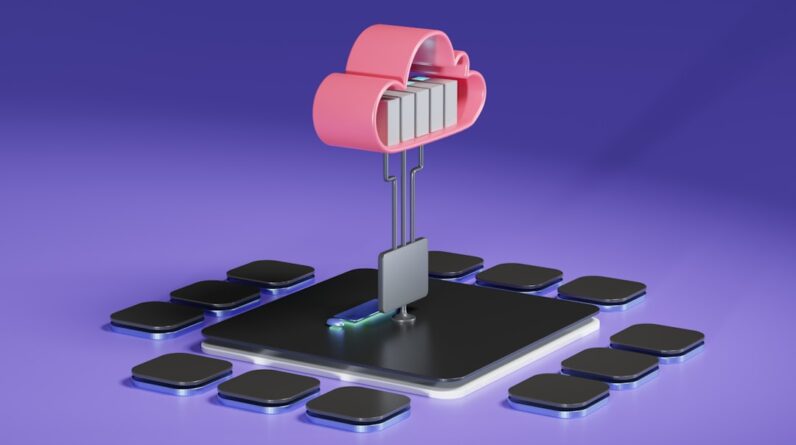
As you step into the modern workplace, you can’t help but notice the profound impact artificial intelligence (AI) has made in recent years. From chatbots that handle customer inquiries to sophisticated algorithms that analyze data, AI is becoming an integral part of various industries. This technological revolution is not just a fleeting trend; it represents a fundamental shift in how work is performed.
You may find that AI tools are now commonplace, streamlining processes and enhancing decision-making capabilities. The rise of AI in the workplace is not merely about replacing human effort; it’s about augmenting your abilities and enabling you to focus on more complex tasks. The integration of AI into the workplace has also led to a cultural shift.
You might observe that organizations are increasingly embracing a data-driven approach, where decisions are informed by insights generated through AI analytics. This transformation encourages a more collaborative environment, as teams leverage AI to enhance their collective intelligence. As you navigate this new landscape, it’s essential to recognize that AI is not just a tool but a partner in your professional journey, helping you to unlock new levels of creativity and innovation.
Key Takeaways
- AI is increasingly being integrated into the workplace, transforming the way tasks are performed and businesses operate.
- Automation is reshaping job roles and requiring workers to develop new skills to remain relevant in the workforce.
- Adapting to the changing work environment involves embracing technology, continuous learning, and flexibility in roles and responsibilities.
- AI plays a crucial role in improving productivity and efficiency by automating repetitive tasks and providing valuable insights from data analysis.
- Upskilling and reskilling opportunities are essential for workers to stay competitive and meet the demands of an AI-driven economy.
The Impact of Automation on Jobs and Skills
With the rise of automation, you may be wondering how your job and the skills required for it will be affected. The reality is that automation is reshaping the job market in significant ways. While some roles may become obsolete, others are evolving, requiring you to adapt and acquire new skills.
For instance, routine tasks that once occupied a significant portion of your day may now be handled by machines, freeing you up to engage in more strategic and creative endeavors. However, this shift also means that you must be proactive in identifying which skills are becoming less relevant and which are gaining importance. As you consider the impact of automation on your career, it’s crucial to understand that the demand for certain skills is changing.
Technical skills related to AI and data analysis are becoming increasingly valuable, while soft skills such as critical thinking, emotional intelligence, and adaptability are also in high demand. You may find that employers are looking for individuals who can work alongside AI systems, interpreting data and making informed decisions based on insights generated by these technologies. Embracing lifelong learning will be essential as you navigate this evolving landscape.
Adapting to the Changing Work Environment
Adapting to the changing work environment requires a proactive mindset. You may need to reassess your current skill set and identify areas for growth. This could involve seeking out training programs or online courses that focus on emerging technologies relevant to your field.
By taking the initiative to learn new skills, you position yourself as a valuable asset in an increasingly competitive job market. Embracing change rather than resisting it will empower you to thrive in this dynamic environment. Moreover, flexibility is key in adapting to the changing work landscape.
You might find that traditional job roles are becoming more fluid, with many professionals taking on multiple responsibilities or working in hybrid roles that blend various skill sets. This shift necessitates a willingness to step outside your comfort zone and embrace new challenges. By cultivating a growth mindset and being open to new experiences, you can navigate the complexities of the modern workplace with confidence.
The Role of AI in Enhancing Productivity and Efficiency
AI plays a pivotal role in enhancing productivity and efficiency across various sectors. As you engage with AI tools, you’ll likely notice how they can automate repetitive tasks, allowing you to focus on higher-value activities. For example, AI-driven software can analyze vast amounts of data in seconds, providing insights that would take humans hours or even days to uncover.
This capability not only accelerates decision-making but also improves accuracy, reducing the likelihood of human error. In addition to automating tasks, AI can also facilitate better collaboration among team members. You may find that AI-powered platforms enable seamless communication and project management, ensuring everyone is on the same page.
By leveraging these tools, you can enhance your team’s overall productivity and drive better results. The integration of AI into your daily workflow can lead to a more efficient work environment where creativity and innovation flourish.
Opportunities for Upskilling and Reskilling
As the landscape of work continues to evolve, opportunities for upskilling and reskilling are more abundant than ever. You may discover that many organizations are investing in training programs designed to help employees adapt to new technologies and methodologies. These initiatives not only benefit you as an individual but also contribute to the overall success of the organization by fostering a culture of continuous learning.
You might also consider exploring online platforms that offer courses tailored to your interests and career goals. From coding boot camps to workshops on soft skills development, there’s a wealth of resources available at your fingertips. By taking advantage of these opportunities, you can enhance your employability and ensure that you remain relevant in an ever-changing job market.
Embracing a proactive approach to learning will empower you to seize new opportunities as they arise.
Addressing the Ethical and Social Implications of AI

As AI continues to permeate various aspects of work and society, it’s essential to address the ethical and social implications that accompany its rise. You may find yourself grappling with questions about privacy, bias, and accountability in AI systems. For instance, as organizations increasingly rely on algorithms for decision-making, concerns about fairness and transparency become paramount.
It’s crucial for you to engage in discussions about these issues and advocate for responsible AI practices within your workplace. Moreover, understanding the social implications of AI is vital for fostering an inclusive work environment. You might consider how automation could disproportionately affect certain demographics or industries, leading to job displacement for vulnerable populations.
By being aware of these challenges, you can contribute to initiatives aimed at promoting equity and ensuring that the benefits of AI are accessible to all. Engaging with these ethical considerations will not only enhance your understanding of AI but also position you as a thoughtful leader in your field.
Navigating the Transition to an AI-Driven Economy
Navigating the transition to an AI-driven economy requires adaptability and foresight. As you witness industries transform due to technological advancements, it’s essential to stay informed about trends and developments within your sector. You may find that networking with professionals who share similar interests can provide valuable insights into how others are adapting to these changes.
By building connections within your industry, you can gain access to resources and knowledge that will help you navigate this transition more effectively. Additionally, being proactive about your career trajectory is crucial during this period of change. You might consider setting specific goals related to skill development or exploring new career paths that align with emerging opportunities in an AI-driven economy.
By taking ownership of your professional journey, you can position yourself for success in a landscape that is constantly evolving.
Strategies for Thriving in the Age of Automation
Thriving in the age of automation requires a multifaceted approach that encompasses continuous learning, adaptability, and collaboration. As you embrace lifelong learning, consider setting aside time each week to explore new topics or skills relevant to your field. This commitment to personal growth will not only enhance your expertise but also demonstrate your dedication to staying ahead in an ever-changing job market.
Collaboration is another key strategy for thriving in this new era. You may find that working alongside colleagues from diverse backgrounds fosters creativity and innovation within your team. By leveraging each other’s strengths and perspectives, you can tackle complex challenges more effectively.
Additionally, embracing technology as a collaborative partner will enable you to harness its potential while maintaining a human touch in your work. In conclusion, as you navigate the complexities of an AI-driven workplace, remember that adaptability and continuous learning are your greatest allies. By embracing change and proactively seeking opportunities for growth, you can thrive in this dynamic environment while contributing positively to your organization and society at large.
For more insights on AI and its impact on various aspects of our lives, check out the article AI and Climate Modeling: Understanding and Mitigating Climate Change. This article delves into how AI technology can be used to address the pressing issue of climate change and offers a comprehensive understanding of the role AI plays in climate modeling. It provides valuable information on how AI can be leveraged to create more accurate climate models and develop effective strategies for mitigating the effects of climate change.
FAQs
What is AI and automation?
AI, or artificial intelligence, refers to the simulation of human intelligence in machines that are programmed to think and act like humans. Automation, on the other hand, involves the use of technology to perform tasks with minimal human intervention.
How is AI and automation impacting the future of work?
AI and automation are transforming the future of work by automating routine tasks, increasing efficiency, and enabling the development of new industries and job roles. However, they also pose challenges such as potential job displacement and the need for upskilling and reskilling.
What are the potential benefits of AI and automation in the workplace?
The potential benefits of AI and automation in the workplace include increased productivity, improved accuracy, cost savings, and the ability to focus on more complex and creative tasks. They also have the potential to create new job opportunities and industries.
What are the potential challenges of AI and automation in the workplace?
Challenges of AI and automation in the workplace include job displacement, the need for upskilling and reskilling, ethical considerations, and potential impacts on income inequality. There are also concerns about the potential loss of human touch and empathy in certain roles.
How can individuals thrive in the age of automation?
To thrive in the age of automation, individuals can focus on developing skills that are complementary to AI and automation, such as critical thinking, creativity, emotional intelligence, and adaptability. Lifelong learning, upskilling, and reskilling will also be crucial for staying relevant in the evolving job market.