As you step into the world of education today, you may notice a significant transformation taking place, largely driven by advancements in artificial intelligence (AI). This technology is not just a buzzword; it is reshaping how educators teach and how students learn. The integration of AI into educational settings is revolutionizing traditional methods, offering innovative solutions that cater to the diverse needs of learners.
From personalized learning experiences to administrative efficiencies, AI is becoming an indispensable tool in the educational landscape. The potential of AI in education extends beyond mere automation. It encompasses a wide array of applications that enhance both teaching and learning processes.
As you explore this dynamic field, you will discover how AI can analyze vast amounts of data to provide insights that were previously unattainable. This capability allows for a more tailored approach to education, ensuring that each student receives the support they need to thrive. The journey into AI-driven education is not just about technology; it is about reimagining the future of learning itself.
Key Takeaways
- AI in education is revolutionizing the way students learn and educators teach, offering personalized learning experiences and improving student engagement and performance.
- AI plays a crucial role in personalized learning by analyzing student data and providing tailored learning experiences to meet individual needs and preferences.
- Educators can leverage AI-powered tools such as virtual tutors, grading assistants, and content recommendation systems to enhance teaching effectiveness and efficiency.
- AI has a significant impact on student engagement and performance by providing real-time feedback, adaptive learning pathways, and interactive learning experiences.
- Ethical considerations in AI-driven education, such as data privacy, algorithm bias, and job displacement, need to be carefully addressed to ensure responsible and equitable use of AI in education.
The Role of AI in Personalized Learning
Personalized learning is one of the most significant contributions of AI to education. Imagine a classroom where each student’s unique learning style, pace, and interests are taken into account. With AI, this vision is becoming a reality.
By leveraging data analytics, AI systems can assess individual student performance and preferences, allowing for customized learning paths that cater specifically to each learner’s needs. This means that whether you are a fast learner or someone who requires more time to grasp concepts, AI can adapt the curriculum accordingly. Furthermore, personalized learning through AI fosters a sense of ownership among students.
When you engage with content that resonates with your interests and abilities, you are more likely to be motivated and invested in your education. AI tools can provide real-time feedback, enabling you to track your progress and make adjustments as needed. This level of personalization not only enhances your learning experience but also helps educators identify areas where additional support may be required, creating a more inclusive environment for all students.
AI-Powered Tools for Educators
As an educator, you may find yourself overwhelmed by the myriad responsibilities that come with teaching. Fortunately, AI-powered tools are here to alleviate some of that burden. These tools can automate administrative tasks such as grading assignments, managing schedules, and tracking student attendance, allowing you to focus more on what truly matters: teaching and engaging with your students.
By streamlining these processes, AI enables you to allocate your time and energy toward fostering meaningful connections with your learners. Moreover, AI tools can assist you in creating more effective lesson plans and instructional materials. With access to vast databases of educational resources and analytics on student performance, you can tailor your teaching strategies to better meet the needs of your class.
For instance, AI can suggest relevant content based on the specific challenges your students face, ensuring that you are equipped with the right resources to facilitate their learning. This collaborative relationship between educators and AI not only enhances teaching effectiveness but also enriches the overall educational experience for students.
The Impact of AI on Student Engagement and Performance
The integration of AI in education has shown promising results in enhancing student engagement and performance. When you think about traditional classroom settings, it’s easy to see how they can sometimes fail to capture the attention of all learners. However, AI-driven platforms can create interactive and immersive learning experiences that keep students engaged.
For example, gamified learning environments powered by AI can transform mundane subjects into exciting challenges, encouraging you to participate actively in your education. Additionally, AI’s ability to provide instant feedback plays a crucial role in improving student performance. When you receive immediate insights into your strengths and weaknesses, it empowers you to take charge of your learning journey.
This timely feedback loop allows for continuous improvement and helps you stay motivated as you see tangible progress over time. As a result, students who engage with AI-enhanced educational tools often demonstrate higher levels of achievement and satisfaction in their academic pursuits.
Ethical Considerations in AI-Driven Education
While the benefits of AI in education are substantial, it is essential to address the ethical considerations that accompany its implementation. As you navigate this evolving landscape, questions about data privacy, bias in algorithms, and the potential for unequal access to technology arise. For instance, when educational institutions collect data on student performance and behavior, it is crucial to ensure that this information is handled responsibly and transparently.
You must advocate for policies that protect student privacy while still allowing for the beneficial use of data. Moreover, the risk of bias in AI algorithms cannot be overlooked. If the data used to train these systems reflects existing inequalities or stereotypes, it could lead to unfair treatment of certain groups of students.
As an informed participant in this educational revolution, it is your responsibility to engage in discussions about equity and inclusivity in AI-driven education. By addressing these ethical concerns proactively, you can help shape a future where technology serves as a force for good in the classroom.
Overcoming Challenges and Barriers in Implementing AI in Education
Despite the promising potential of AI in education, several challenges and barriers must be addressed for successful implementation. One significant hurdle is the lack of adequate training for educators on how to effectively integrate AI tools into their teaching practices. As an educator yourself, you may feel apprehensive about adopting new technologies without proper guidance or support.
Therefore, professional development programs focused on AI literacy are essential for empowering teachers to harness these tools effectively. Another challenge lies in ensuring equitable access to technology for all students. In many regions, disparities in resources can hinder the widespread adoption of AI-driven educational tools.
As you consider the future of education, it is vital to advocate for policies that promote equal access to technology and training for both educators and students. By working together with stakeholders at all levels—schools, governments, and communities—you can help bridge the digital divide and create an inclusive environment where every learner has the opportunity to benefit from AI advancements.
Future Trends and Possibilities in AI-Driven Education
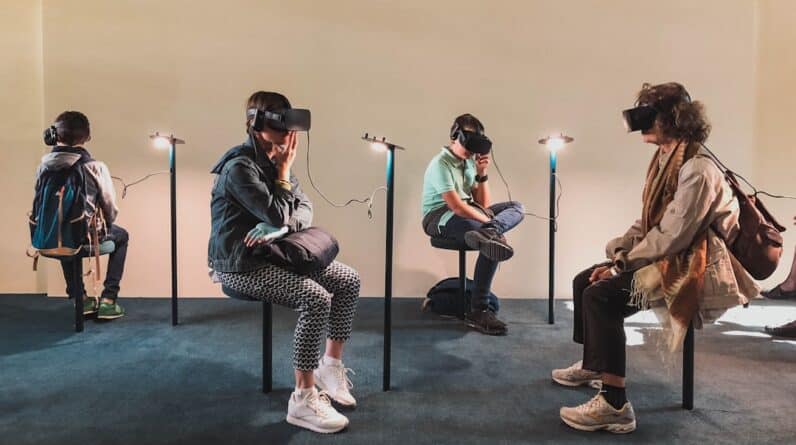
Looking ahead, the future of AI in education holds exciting possibilities that could further transform the learning landscape. One emerging trend is the use of virtual reality (VR) and augmented reality (AR) technologies powered by AI. Imagine stepping into a virtual classroom where historical events come alive or complex scientific concepts are visualized in 3D.
These immersive experiences can enhance understanding and retention while making learning more engaging than ever before. Additionally, as AI continues to evolve, we may see advancements in adaptive learning technologies that go beyond simple personalization. Future systems could analyze not only academic performance but also emotional and social factors that influence learning outcomes.
By understanding the holistic needs of students, educators can create even more supportive environments that foster growth and development. As you embrace these trends, consider how they can enhance your own educational journey or teaching practice.
The Potential of AI to Transform Education
In conclusion, the integration of artificial intelligence into education presents a remarkable opportunity to transform how we teach and learn. As you reflect on the various roles that AI plays—from personalizing learning experiences to supporting educators—you can appreciate its potential to create a more inclusive and effective educational landscape. While challenges remain, addressing ethical considerations and ensuring equitable access will be crucial as we move forward.
The future of education is bright with the promise of AI-driven innovations that empower both students and educators alike. By embracing these advancements and advocating for responsible implementation, you can contribute to a transformative journey that enhances learning experiences for generations to come. The potential of AI in education is not just about technology; it’s about unlocking new possibilities for every learner and shaping a brighter future for all.
AI in Education: Revolutionizing the Classroom Experience is a fascinating topic that explores the potential impact of artificial intelligence on the way students learn and teachers teach. In a related article, Will AI Help the World or Hurt It?, the ethical implications of AI technology are discussed, raising important questions about the future of education and society as a whole. As we consider the possibilities of AI in education, it is crucial to also examine the broader implications of this rapidly advancing technology.
FAQs
What is AI in Education?
AI in education refers to the use of artificial intelligence technologies to enhance the learning and teaching experience in the classroom. This can include personalized learning, intelligent tutoring systems, and data analysis to improve educational outcomes.
How is AI revolutionizing the classroom experience?
AI is revolutionizing the classroom experience by providing personalized learning experiences for students, automating administrative tasks for teachers, and offering intelligent tutoring systems that can adapt to individual student needs.
What are some examples of AI in Education?
Examples of AI in education include adaptive learning platforms that personalize learning for each student, chatbots that provide instant support to students and teachers, and data analytics tools that help educators track student progress and identify areas for improvement.
What are the benefits of AI in Education?
The benefits of AI in education include personalized learning experiences, improved student engagement, more efficient administrative tasks for teachers, and the ability to analyze large amounts of data to identify trends and patterns in student performance.
Are there any concerns about AI in Education?
Some concerns about AI in education include data privacy and security, the potential for bias in algorithms, and the impact on teacher-student relationships. It is important to address these concerns and ensure that AI is used responsibly in educational settings.