As you step into the world of education today, you may notice a significant transformation taking place, largely driven by advancements in artificial intelligence (AI). This technology is not just a buzzword; it is reshaping how students learn, how teachers instruct, and how educational institutions operate. AI in education encompasses a wide range of applications, from intelligent tutoring systems that provide personalized feedback to administrative tools that streamline operations.
The integration of AI into educational settings is not merely a trend; it represents a fundamental shift in the way knowledge is imparted and acquired. You might wonder how this technology can enhance the learning experience. The answer lies in its ability to analyze vast amounts of data, recognize patterns, and adapt to individual needs.
As you explore the implications of AI in education, you will discover that it holds the potential to create more engaging, efficient, and effective learning environments. However, this journey is not without its challenges and ethical considerations. Understanding both the benefits and the hurdles of AI in education will equip you with the knowledge to navigate this evolving landscape.
Key Takeaways
- AI in education refers to the use of artificial intelligence to enhance teaching and learning experiences.
- The benefits of AI in education include personalized learning, improved student engagement, and more efficient administrative tasks.
- Challenges of implementing AI in education include cost, privacy concerns, and the need for teacher training.
- AI can facilitate personalized learning by analyzing student data and providing tailored learning experiences.
- Teachers play a crucial role in an AI-driven classroom by guiding students, interpreting AI-generated data, and providing emotional support.
- Ethical considerations in AI in education include data privacy, algorithm bias, and the potential for replacing human teachers.
- The future of AI in education holds promise for more adaptive and personalized learning experiences, but also raises questions about the role of human educators.
- Embracing AI in education is essential for the future of learning, but it requires careful consideration of ethical implications and ongoing support for teachers.
The Benefits of AI in Education
One of the most significant advantages of AI in education is its capacity to provide personalized learning experiences. Imagine a classroom where each student receives tailored instruction based on their unique strengths and weaknesses. AI algorithms can analyze a learner’s performance in real-time, adjusting the curriculum to meet their specific needs.
This level of customization not only enhances student engagement but also fosters a deeper understanding of the material. As you consider the implications of personalized learning, you may realize that it empowers students to take ownership of their education, leading to improved outcomes. In addition to personalization, AI can also enhance administrative efficiency within educational institutions.
Tasks such as grading assignments, managing schedules, and tracking student progress can be automated through AI systems. This automation allows educators to focus more on teaching and less on administrative burdens. You might find it fascinating that AI can also assist in identifying at-risk students by analyzing data patterns, enabling timely interventions that can make a significant difference in their academic journey.
The potential for AI to streamline operations while simultaneously improving student support is a compelling reason for its integration into educational settings.
The Challenges of Implementing AI in Education
Despite the numerous benefits that AI brings to education, implementing this technology is not without its challenges. One major hurdle is the digital divide that exists among students and schools. Not all educational institutions have equal access to technology, which can create disparities in learning opportunities.
As you reflect on this issue, consider how socioeconomic factors can influence a student’s ability to benefit from AI-driven tools. Bridging this gap requires significant investment in infrastructure and training, which can be daunting for many schools. Another challenge lies in the resistance to change among educators and administrators.
You may encounter skepticism regarding the effectiveness of AI in enhancing learning outcomes. Some educators may feel threatened by the idea of machines taking over aspects of their teaching role or worry about the reliability of AI systems. Overcoming this resistance necessitates comprehensive training programs that not only educate teachers about AI but also demonstrate its potential as a supportive tool rather than a replacement.
Building trust in AI’s capabilities is essential for successful implementation.
AI and Personalized Learning
Personalized learning is perhaps one of the most exciting applications of AI in education. As you delve deeper into this concept, you will find that it allows for a more student-centered approach to learning. With AI-driven platforms, students can progress at their own pace, receiving immediate feedback and support tailored to their individual needs.
This adaptability fosters a more engaging learning environment where students feel empowered to explore subjects that interest them deeply. Moreover, personalized learning through AI can help identify gaps in knowledge that may not be immediately apparent in traditional classroom settings. For instance, if you are struggling with a particular concept, an AI system can detect this through your interactions and provide additional resources or alternative explanations.
This targeted approach not only enhances comprehension but also builds confidence as you master challenging material at your own pace. The potential for AI to create customized learning pathways is revolutionizing how education is delivered and experienced.
The Role of Teachers in an AI-Driven Classroom
In an AI-driven classroom, the role of teachers evolves rather than diminishes. You may envision educators as facilitators who guide students through their personalized learning journeys rather than simply delivering content. With AI handling administrative tasks and providing real-time data on student performance, teachers can devote more time to fostering critical thinking skills and encouraging collaboration among students.
This shift allows educators to focus on what they do best: inspiring and motivating learners. Furthermore, teachers play a crucial role in interpreting the data generated by AI systems. As you consider this aspect, think about how educators can use insights from AI analytics to inform their instructional strategies.
By understanding individual student needs and progress, teachers can tailor their approaches to maximize engagement and effectiveness. In this way, AI becomes a powerful ally in the classroom, enabling teachers to enhance their impact on student learning while maintaining their essential role as mentors and guides.
Ethical Considerations in AI in Education
Data Privacy Concerns
One significant concern is data privacy. With AI systems collecting vast amounts of student data to personalize learning experiences, safeguarding this information becomes paramount. You may find yourself questioning how schools can ensure that sensitive data is protected from misuse or breaches while still leveraging it for educational purposes.
Bias in AI Algorithms
Another ethical consideration involves bias in AI algorithms. If not carefully designed and monitored, these algorithms can perpetuate existing inequalities or reinforce stereotypes. As you reflect on this issue, consider how important it is for educators and developers to work together to create fair and unbiased AI systems that promote equity in education.
Ensuring Ethical Standards
Ensuring that all students benefit equally from AI-driven tools requires ongoing vigilance and commitment to ethical standards.
The Future of AI in Education
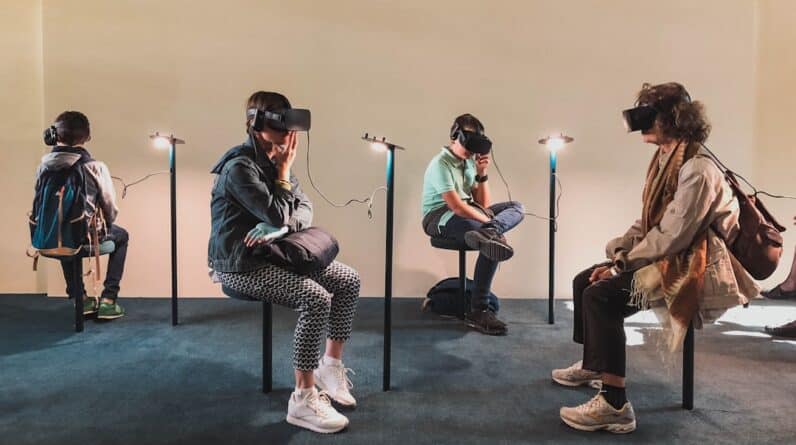
Looking ahead, the future of AI in education appears promising yet complex. As technology continues to advance, you can expect even more innovative applications that enhance learning experiences. For instance, virtual reality (VR) and augmented reality (AR) powered by AI could create immersive learning environments that transport students to historical events or scientific phenomena.
Such experiences could deepen understanding and retention while making learning more enjoyable. Moreover, as AI becomes more integrated into educational systems, you may witness a shift toward lifelong learning models supported by adaptive technologies. In an ever-changing job market, continuous skill development will be crucial for success.
You might envision a future where individuals can access personalized learning pathways throughout their lives, guided by AI systems that adapt to their evolving needs and aspirations. This vision underscores the transformative potential of AI in shaping not only education but also the future workforce.
Embracing AI in Education for the Future of Learning
In conclusion, embracing AI in education offers a pathway toward more personalized, efficient, and equitable learning experiences. As you navigate this evolving landscape, it is essential to recognize both the benefits and challenges associated with integrating technology into educational settings. By understanding how AI can enhance personalized learning and support teachers in their roles, you can appreciate its potential to transform education for the better.
As we move forward into an increasingly digital world, it is crucial to address ethical considerations and ensure that all students have access to the benefits of AI-driven tools. By fostering collaboration between educators, technologists, and policymakers, we can create an educational ecosystem that harnesses the power of AI while prioritizing equity and inclusivity. Ultimately, embracing AI in education will pave the way for a brighter future where every learner has the opportunity to thrive.
AI in Education: the Future of Learning is a fascinating topic that explores how artificial intelligence is revolutionizing the way we teach and learn. One related article that delves into the introduction of AI in various industries can be found at Introduction to AI. This article provides insights into the basics of AI and how it is being implemented in different sectors. It is a great resource for those looking to understand the fundamentals of artificial intelligence before exploring its applications in education.
FAQs
What is AI in education?
AI in education refers to the use of artificial intelligence technology to enhance the learning experience for students and educators. This can include personalized learning, virtual tutors, automated grading, and data analysis to improve teaching methods.
How is AI being used in education?
AI is being used in education to create personalized learning experiences for students, automate administrative tasks for educators, provide virtual tutoring and support, and analyze data to improve teaching methods and student outcomes.
What are the benefits of AI in education?
The benefits of AI in education include personalized learning experiences, improved student engagement, more efficient administrative tasks for educators, access to virtual tutoring and support, and data-driven insights to improve teaching methods and student outcomes.
What are the potential drawbacks of AI in education?
Potential drawbacks of AI in education include concerns about data privacy and security, the potential for bias in AI algorithms, and the displacement of human educators in favor of automated systems.
What is the future of AI in education?
The future of AI in education is likely to involve even more personalized learning experiences, increased use of virtual tutors and support systems, improved data analysis to inform teaching methods, and ongoing discussions about the ethical and practical implications of AI in education.