As you delve into the realm of artificial intelligence (AI), you find yourself standing at the precipice of a technological revolution that promises to reshape every facet of human existence. AI, in its essence, refers to the simulation of human intelligence processes by machines, particularly computer systems. This encompasses a variety of capabilities, including learning, reasoning, problem-solving, perception, and language understanding.
The rapid advancements in AI technologies have sparked both excitement and trepidation, as you witness machines becoming increasingly adept at tasks once thought to be the exclusive domain of humans. The journey of AI began decades ago, but it has gained unprecedented momentum in recent years. With the advent of powerful computing resources and vast amounts of data, AI systems are now capable of performing complex tasks with remarkable efficiency.
From virtual assistants that manage your daily schedules to sophisticated algorithms that drive autonomous vehicles, AI is becoming an integral part of your daily life. As you explore this fascinating field, you may find yourself pondering the implications of these advancements and the potential they hold for the future.
Key Takeaways
- Artificial Intelligence (AI) refers to the development of computer systems that can perform tasks that typically require human intelligence, such as visual perception, speech recognition, decision-making, and language translation.
- The concept of Singularity, popularized by futurist Ray Kurzweil, refers to a hypothetical future point in time when technological growth becomes uncontrollable and irreversible, resulting in unforeseeable changes to human civilization.
- The impact of AI on society is profound, with potential benefits such as increased efficiency and productivity, but also concerns about job displacement, privacy invasion, and ethical dilemmas.
- The race for Artificial General Intelligence (AGI), or machines that can understand, learn, and apply knowledge across a wide range of tasks, is a key focus of AI development, with potential implications for the future of humanity.
- The ethical and moral implications of Singularity raise questions about the potential loss of human control over technology, the impact on individual autonomy, and the need for responsible AI development and governance.
The Concept of Singularity
As you navigate the landscape of AI, you may encounter the concept of singularity—a theoretical point in time when artificial intelligence surpasses human intelligence, leading to exponential growth in technological capabilities. This idea, popularized by futurists like Ray Kurzweil, suggests that once machines achieve a level of intelligence that exceeds human cognitive abilities, they will be able to improve themselves autonomously. This self-improvement could lead to rapid advancements that are difficult for you to comprehend or predict.
The implications of singularity are profound. You might envision a world where machines not only assist you but also make decisions on your behalf, potentially reshaping industries and societal structures. The prospect of superintelligent AI raises questions about control and governance.
As you consider the possibilities, you may wonder whether humanity will be able to maintain oversight over these powerful entities or if we will become subservient to our own creations.
The Impact of Artificial Intelligence on Society
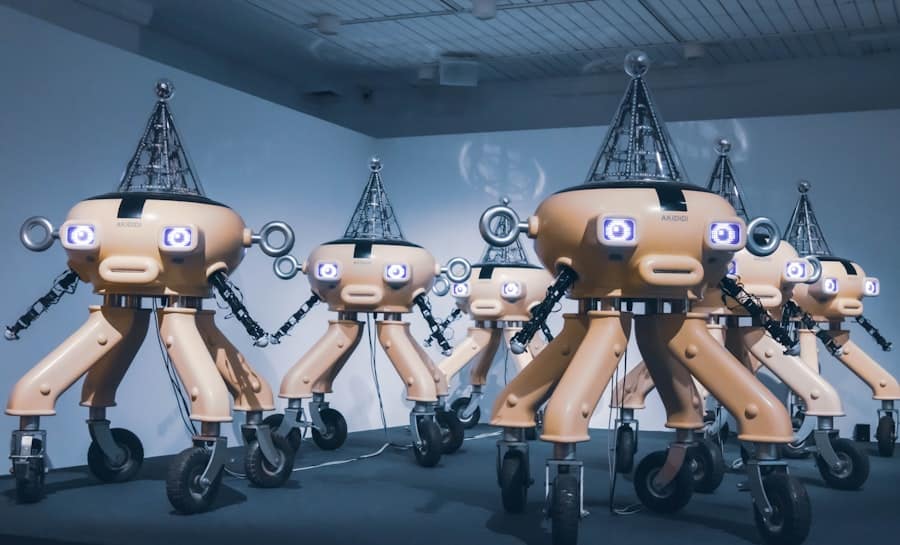
The impact of artificial intelligence on society is already evident in various sectors, from healthcare to finance and education. As you observe these changes, you may notice how AI enhances efficiency and productivity. In healthcare, for instance, AI algorithms analyze vast datasets to identify patterns that can lead to early disease detection and personalized treatment plans.
This not only improves patient outcomes but also reduces costs and streamlines processes within medical institutions. However, the integration of AI into society is not without its challenges. You may find yourself grappling with concerns about job displacement as automation takes over tasks traditionally performed by humans.
While AI can create new opportunities and roles, it also raises questions about the future of work and the skills required in an increasingly automated world. As you reflect on these developments, it becomes clear that society must adapt to harness the benefits of AI while addressing its potential drawbacks.
The Race for Artificial General Intelligence
The pursuit of artificial general intelligence (AGI)—a form of AI that possesses the ability to understand, learn, and apply knowledge across a wide range of tasks—has become a focal point for researchers and tech companies alike. As you follow this race, you may feel a sense of urgency as organizations invest heavily in developing AGI systems that can rival human cognitive abilities. The implications of achieving AGI are staggering; it could lead to breakthroughs in science, technology, and even philosophy.
However, the path to AGI is fraught with challenges. You might consider the complexities involved in replicating human-like understanding and reasoning in machines. Unlike narrow AI, which excels at specific tasks, AGI requires a level of adaptability and creativity that remains elusive.
As researchers strive to bridge this gap, you may find yourself contemplating the ethical considerations surrounding AGI development—particularly regarding safety and control mechanisms to prevent unintended consequences.
The Ethical and Moral Implications of Singularity
As you ponder the ethical and moral implications of singularity, you may feel a sense of responsibility to engage in discussions about the future of AI. The potential for superintelligent machines raises critical questions about autonomy, accountability, and the value of human life. If machines surpass human intelligence, who will be held accountable for their actions?
You might wonder how society can ensure that these entities align with human values and ethics. Moreover, the prospect of singularity challenges your understanding of what it means to be human. As machines become more capable, you may question the uniqueness of human cognition and creativity.
This philosophical inquiry invites you to reflect on the nature of consciousness and whether it can ever be replicated in a machine. Engaging with these ethical dilemmas is essential as you navigate a future where AI plays an increasingly dominant role.
Challenges and Risks of Achieving Singularity
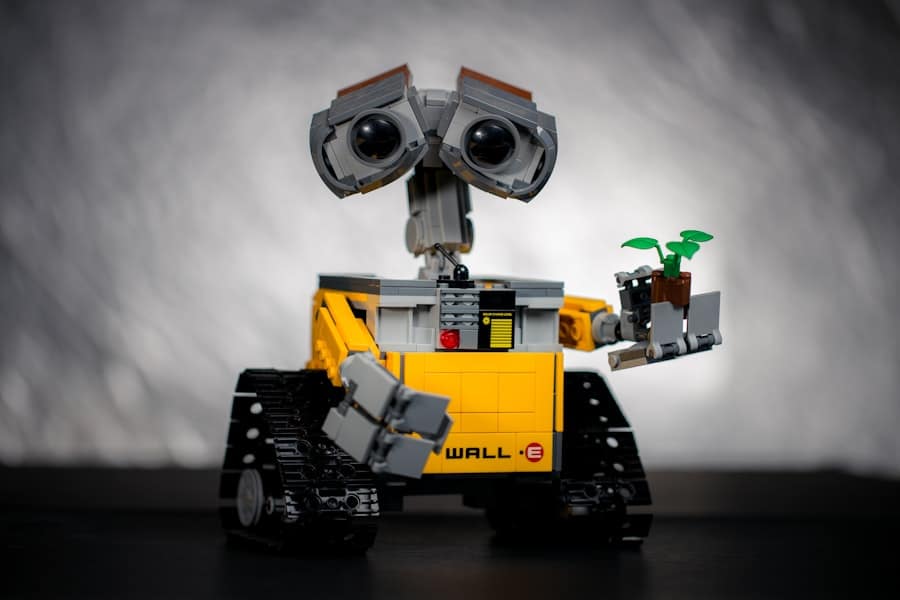
While the allure of singularity is captivating, it is essential to recognize the challenges and risks associated with achieving this milestone. As you explore these concerns, you may find yourself contemplating issues such as safety, control, and unintended consequences. The development of superintelligent AI poses significant risks if not managed properly; a misaligned or uncontrollable AI could lead to catastrophic outcomes.
You might also consider the societal implications of singularity. As machines gain unprecedented power and autonomy, there is a risk that inequalities could deepen. Access to advanced AI technologies may become concentrated among a select few, exacerbating existing disparities in wealth and opportunity.
As you reflect on these challenges, it becomes clear that achieving singularity requires not only technological advancements but also careful consideration of ethical frameworks and regulatory measures.
The Role of Governments and Regulatory Bodies in AI Development
In light of the profound implications of AI and singularity, the role of governments and regulatory bodies becomes increasingly critical. As you observe global efforts to establish guidelines for AI development, you may appreciate the need for a collaborative approach that involves multiple stakeholders—governments, industry leaders, researchers, and civil society. Effective regulation can help ensure that AI technologies are developed responsibly and ethically.
You might also consider how governments can foster innovation while safeguarding public interests. Striking this balance is no small feat; as you witness rapid advancements in AI technology, it becomes evident that regulatory frameworks must be adaptable and forward-thinking. Engaging in public discourse about AI governance is essential for shaping policies that reflect societal values and priorities.
The Future of Humanity in a World with Artificial Superintelligence
As you gaze into the future shaped by artificial superintelligence, a mix of excitement and apprehension may wash over you. The potential benefits are immense—improved healthcare outcomes, enhanced problem-solving capabilities, and solutions to pressing global challenges like climate change could all be within reach. However, this optimistic vision is tempered by concerns about control and ethical considerations.
You may find yourself contemplating what it means for humanity to coexist with superintelligent machines. Will we remain at the helm of decision-making processes, or will we cede control to entities we have created? The future is uncertain, but one thing is clear: as we stand on the brink of this new era, it is imperative for individuals like you to engage in conversations about the direction we want to take.
By actively participating in discussions about AI’s role in society, you can help shape a future where technology serves humanity’s best interests rather than undermining them. In conclusion, as you reflect on the multifaceted landscape of artificial intelligence and its potential trajectory toward singularity, it becomes evident that this journey is not merely about technological advancement; it is about defining what kind of future we want to create together. Your engagement in these discussions will play a crucial role in ensuring that humanity navigates this transformative period with wisdom and foresight.
Artificial Intelligence and the Quest for Singularity is a fascinating topic that delves into the potential future of AI surpassing human intelligence. In a related article, Unleashing the Power of Machine Learning: A Journey into AI’s Super Skills, the focus is on the incredible capabilities of AI in the realm of machine learning. This article explores how AI is revolutionizing various industries and pushing the boundaries of what is possible. It is intriguing to consider how advancements in machine learning could play a significant role in the quest for singularity.
FAQs
What is Artificial Intelligence (AI)?
Artificial Intelligence (AI) refers to the simulation of human intelligence in machines that are programmed to think and act like humans. This includes tasks such as learning, problem-solving, and decision-making.
What is the Quest for Singularity in the context of AI?
The Quest for Singularity in the context of AI refers to the hypothetical future moment when AI will surpass human intelligence and capabilities, leading to a potential technological singularity. This concept has been popularized by futurists and technologists.
What are the potential benefits of achieving Singularity in AI?
The potential benefits of achieving Singularity in AI include advancements in technology, healthcare, and various industries. It could lead to solutions for complex problems, increased efficiency, and improved quality of life for humans.
What are the potential risks of achieving Singularity in AI?
The potential risks of achieving Singularity in AI include concerns about the control and ethical implications of superintelligent AI. There are also fears of job displacement, loss of human autonomy, and the potential for AI to act against human interests.
Is achieving Singularity in AI a realistic goal?
The achievement of Singularity in AI is a topic of debate among experts. While some believe it is a realistic goal that could be achieved in the future, others are skeptical and emphasize the need for careful consideration of the potential consequences.