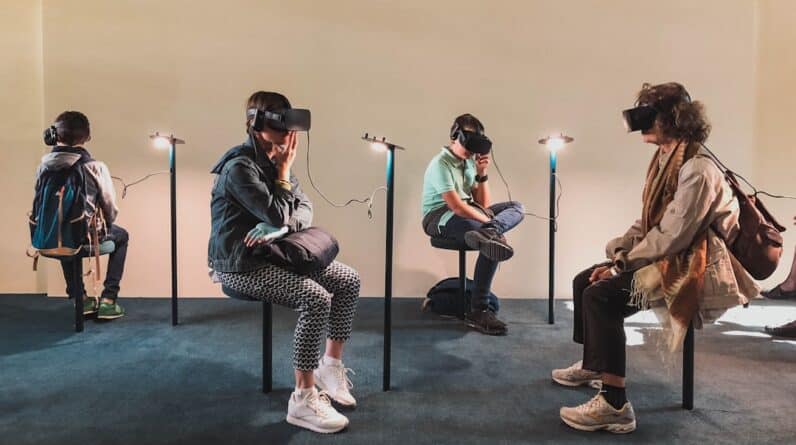
You may have noticed that artificial intelligence (AI) has become an integral part of your daily life, often in ways you might not even realize. From the virtual assistants on your smartphones to the algorithms that curate your social media feeds, AI is rapidly evolving and permeating various aspects of society. The journey of AI began decades ago, rooted in the desire to create machines that could mimic human intelligence.
Early pioneers like Alan Turing and John McCarthy laid the groundwork for what would become a technological revolution. As you look around today, it’s clear that AI has transitioned from theoretical concepts to practical applications, fundamentally altering how you interact with technology. The exponential growth of computational power and the availability of vast amounts of data have fueled this rise.
You might find it fascinating that machine learning, a subset of AI, has enabled systems to learn from data patterns and improve over time without explicit programming. This capability has led to breakthroughs in various fields, including healthcare, finance, and transportation. As you engage with these technologies, you are witnessing a transformation that promises to redefine not just industries but also the very fabric of human experience.
Key Takeaways
- AI is rapidly advancing and becoming more integrated into society, impacting various aspects of our lives.
- The impact of AI on society can be both positive and negative, affecting employment, healthcare, and privacy.
- Ethical implications of AI include concerns about bias, privacy, and the potential for misuse of AI technology.
- AI is changing the workplace by automating tasks, creating new job opportunities, and raising concerns about job displacement.
- Potential dangers of AI include the risk of job loss, privacy invasion, and the development of autonomous weapons.
The Impact of AI on Society
As AI continues to evolve, its impact on society is becoming increasingly profound. You may have experienced firsthand how AI enhances convenience in your daily tasks, from personalized recommendations on streaming platforms to smart home devices that learn your preferences. These advancements have made life more efficient, allowing you to focus on what truly matters.
However, this convenience comes with a complex set of consequences that extend beyond individual experiences. The integration of AI into various sectors has led to significant changes in how businesses operate and how services are delivered. Moreover, the societal implications of AI are far-reaching.
You might be aware that AI has the potential to address pressing global challenges, such as climate change and healthcare accessibility. For instance, AI-driven analytics can optimize energy consumption or predict disease outbreaks, ultimately improving quality of life. Yet, as you navigate this landscape, it’s essential to recognize that these benefits are accompanied by challenges, including job displacement and privacy concerns.
The dual nature of AI’s impact necessitates a thoughtful examination of how these technologies shape your world and the values you hold dear.
The Ethical Implications of AI
As you delve deeper into the realm of artificial intelligence, ethical considerations become increasingly prominent. The decisions made by AI systems can have significant consequences for individuals and communities alike. You may find it unsettling that algorithms can perpetuate biases present in their training data, leading to unfair outcomes in areas such as hiring practices or law enforcement.
This raises critical questions about accountability and transparency in AI development. Who is responsible when an AI system makes a mistake? As you ponder this dilemma, it becomes clear that ethical frameworks must be established to guide the responsible use of AI.
Furthermore, the potential for surveillance and data misuse poses another ethical challenge. You might be aware that many AI applications rely on vast amounts of personal data to function effectively. This reliance raises concerns about privacy and consent, as individuals often have little control over how their information is used.
As you engage with AI technologies, it’s crucial to advocate for ethical standards that prioritize human rights and dignity. The conversation surrounding AI ethics is not just for technologists; it involves everyone who interacts with these systems and must consider the broader implications for society.
The Role of AI in the Workplace
In the workplace, AI is reshaping job roles and redefining productivity. You may have noticed how automation tools streamline repetitive tasks, allowing employees to focus on more strategic initiatives. This shift can lead to increased job satisfaction as you engage in more meaningful work rather than mundane activities.
However, this transformation also raises concerns about job displacement and the future of work. As certain tasks become automated, you might wonder what this means for your career trajectory and the skills you need to thrive in an evolving job market. The integration of AI into the workplace also presents opportunities for collaboration between humans and machines.
You may find it intriguing that AI can augment human capabilities rather than replace them entirely. For instance, in fields like healthcare, AI can assist doctors in diagnosing diseases more accurately by analyzing medical images or patient data. This partnership can enhance decision-making processes and improve outcomes for patients.
As you navigate this new landscape, it’s essential to embrace lifelong learning and adaptability to remain relevant in a world where AI continues to play an increasingly prominent role.
The Potential Dangers of AI
While the benefits of artificial intelligence are numerous, it’s crucial to acknowledge the potential dangers that accompany its rise. You may have heard about instances where AI systems have been exploited for malicious purposes, such as deepfakes or automated cyberattacks. These developments highlight the darker side of technology and raise questions about security and trust in an increasingly digital world.
As you engage with AI technologies, it’s essential to remain vigilant about the risks they pose and advocate for safeguards that protect individuals and society at large. Moreover, the prospect of autonomous weapons systems raises ethical concerns about the future of warfare. You might find it alarming that machines could make life-and-death decisions without human intervention.
This scenario underscores the importance of establishing international regulations governing the use of AI in military applications. As you consider these potential dangers, it becomes evident that proactive measures must be taken to ensure that AI serves humanity’s best interests rather than becoming a tool for harm.
The Future of AI and Humanity

Looking ahead, the future of artificial intelligence holds both promise and uncertainty. You may envision a world where AI enhances human capabilities and addresses some of society’s most pressing challenges. From personalized education to advanced healthcare solutions, the potential applications are vast and varied.
However, this optimistic outlook must be tempered with caution as we navigate uncharted territory. The trajectory of AI development will depend on how society chooses to harness its power and address the ethical dilemmas it presents. As you contemplate this future, consider the importance of collaboration between technologists, policymakers, and citizens like yourself.
Engaging in discussions about the direction of AI will shape its impact on humanity. You have a role to play in advocating for responsible innovation that prioritizes human welfare and ethical considerations. By participating in these conversations, you can help ensure that the future of AI aligns with your values and aspirations for a better world.
The Debate Over AI’s Potential as Humanity’s Last Invention
The debate surrounding whether artificial intelligence could be humanity’s last invention is both intriguing and thought-provoking. You may find yourself pondering whether advanced AI could eventually surpass human intelligence, leading to unforeseen consequences. Some experts argue that if we create superintelligent machines capable of self-improvement, they could outpace human decision-making abilities and potentially pose existential risks.
This perspective raises critical questions about control and governance in an age where machines may possess capabilities beyond our comprehension. Conversely, others argue that humanity’s ingenuity will prevail in guiding AI development responsibly. You might resonate with the belief that through collaboration and ethical considerations, we can harness AI’s potential while mitigating risks.
This debate underscores the importance of fostering a culture of responsibility in technology development—one where innovation is balanced with caution and foresight. As you engage with these discussions, consider how your perspective contributes to shaping a future where humanity coexists harmoniously with intelligent machines.
The Responsibility of Humanity in the Age of AI
In this age of artificial intelligence, the responsibility lies not only with technologists but also with individuals like yourself who interact with these systems daily. You have a role in advocating for ethical practices and holding organizations accountable for their use of AI technologies. As you navigate this landscape, consider how your choices—whether as a consumer or a professional—can influence the direction of AI development.
Supporting companies that prioritize ethical standards and transparency can help shape a future where technology serves humanity’s best interests. Moreover, fostering awareness about the implications of AI within your community is essential. Engaging in conversations about its benefits and risks can empower others to make informed decisions regarding technology use.
As you reflect on your responsibility in this age of AI, remember that collective action is vital for ensuring that these advancements align with shared values and aspirations for a just society. By taking an active role in shaping the narrative around artificial intelligence, you contribute to a future where technology enhances human potential rather than undermines it. In conclusion, as you navigate the complexities surrounding artificial intelligence, remember that its rise presents both opportunities and challenges.
By engaging thoughtfully with these technologies and advocating for ethical practices, you can play a crucial role in shaping a future where humanity thrives alongside intelligent machines. The journey ahead may be uncertain, but your involvement can help steer it toward a positive outcome for all.
Artificial Intelligence: Humanity’s Last Invention? raises thought-provoking questions about the future of AI and its impact on society. For further insights into this topic, readers may be interested in exploring the article What is the Main Problem of Artificial Intelligence?. This article delves into the challenges and ethical considerations surrounding the development and implementation of AI technologies. It offers a deeper understanding of the potential risks and benefits associated with this rapidly advancing field.
FAQs
What is artificial intelligence (AI)?
Artificial intelligence (AI) refers to the simulation of human intelligence in machines that are programmed to think and act like humans. This includes tasks such as learning, problem-solving, and decision-making.
How is artificial intelligence used in today’s world?
AI is used in a wide range of applications, including virtual assistants (such as Siri and Alexa), recommendation systems (such as those used by Netflix and Amazon), autonomous vehicles, medical diagnosis, and financial trading.
What are the potential benefits of artificial intelligence?
AI has the potential to improve efficiency, accuracy, and productivity in various industries. It can also help in solving complex problems, advancing medical research, and enhancing the overall quality of life.
What are the potential risks of artificial intelligence?
Some potential risks of AI include job displacement due to automation, ethical concerns related to decision-making by AI systems, and the potential for misuse of AI technology for malicious purposes.
Is artificial intelligence humanity’s last invention?
The idea that AI could be humanity’s last invention is a topic of debate. Some argue that AI has the potential to surpass human intelligence and lead to unforeseen consequences, while others believe that AI will continue to be a tool created and controlled by humans.