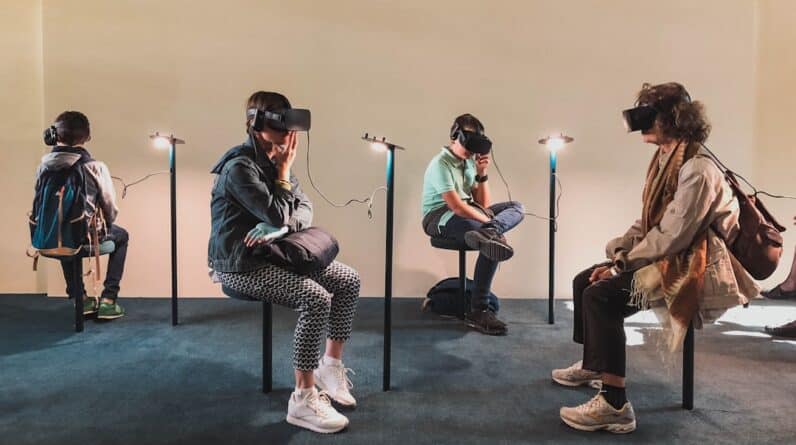
As you step into the world of education today, you may notice a significant transformation taking place, largely driven by the advent of artificial intelligence (AI). This technology is not just a buzzword; it is reshaping how educators teach and how students learn. AI in education encompasses a wide range of applications, from personalized learning experiences to administrative efficiencies.
The integration of AI tools is revolutionizing traditional educational paradigms, making learning more accessible and tailored to individual needs. In this rapidly evolving landscape, you might find yourself wondering how AI can enhance your educational experience. Whether you are a student seeking personalized resources or an educator looking for innovative teaching methods, AI offers a plethora of opportunities.
By harnessing the power of data and machine learning, AI can analyze learning patterns, predict outcomes, and provide insights that were previously unattainable. As you delve deeper into this topic, you will discover the multifaceted roles AI plays in education and how it can potentially redefine the future of learning.
Key Takeaways
- AI in education is revolutionizing the way students learn and teachers teach, offering personalized learning experiences and streamlining administrative tasks.
- AI-powered personalized learning uses algorithms to tailor educational content to individual student needs, promoting better engagement and understanding.
- AI is being used to automate administrative tasks such as grading, scheduling, and resource allocation, freeing up educators to focus on teaching.
- AI for student assessment offers more accurate and timely feedback, allowing educators to identify areas of improvement and provide targeted support.
- AI in special education is helping to create customized learning plans and provide additional support for students with diverse learning needs.
AI-Powered Personalized Learning
Customized Learning Experience
With the help of sophisticated algorithms, AI can analyze your strengths and weaknesses, adapting educational content to suit your unique needs. This means that instead of a one-size-fits-all approach, you receive a customized learning experience that maximizes your potential.
Personalized Recommendations
As you engage with AI-driven platforms, you may notice that they can recommend resources, exercises, and assessments that align with your interests and academic goals. For instance, if you struggle with a particular math concept, the system can provide additional practice problems or alternative explanations until you grasp the material.
Empowering Active Learning
This level of personalization not only enhances your understanding but also fosters a sense of ownership over your learning journey. You are no longer just a passive recipient of information; you become an active participant in your education.
AI for Administrative Tasks
In addition to enhancing the learning experience, AI is also streamlining administrative tasks within educational institutions. As an educator or administrator, you may often find yourself bogged down by paperwork, scheduling conflicts, and data management. AI can alleviate some of these burdens by automating routine tasks, allowing you to focus more on teaching and less on administrative duties.
For example, AI systems can assist in grading assignments and providing feedback to students in real-time. This not only saves time but also ensures that assessments are consistent and objective. Furthermore, AI can help manage student records, track attendance, and even predict enrollment trends based on historical data.
By leveraging these tools, educational institutions can operate more efficiently, ultimately benefiting both educators and students alike.
AI for Student Assessment
When it comes to assessing student performance, traditional methods often fall short in providing a comprehensive view of a learner’s capabilities. However, with the integration of AI in assessment practices, you can expect a more nuanced approach to evaluating student progress. AI-driven assessment tools can analyze various data points, including test scores, participation levels, and even engagement metrics, to create a holistic picture of your academic performance.
These advanced assessment systems can also provide immediate feedback, allowing you to understand your strengths and areas for improvement without the long wait associated with traditional grading methods. Imagine receiving insights on your performance right after completing an assignment or exam—this instant feedback loop can significantly enhance your learning process. Moreover, AI can identify patterns in your performance over time, helping educators tailor their teaching strategies to better support your growth.
AI for Special Education
For students with special needs, the integration of AI in education holds immense promise. You may be aware that traditional educational settings often struggle to accommodate diverse learning requirements effectively. However, AI technologies are paving the way for more inclusive educational experiences.
By utilizing adaptive learning platforms and assistive technologies powered by AI, educators can create customized learning environments that cater specifically to individual needs. For instance, AI can help develop personalized learning plans for students with disabilities by analyzing their unique challenges and strengths. This allows educators to implement targeted interventions that promote engagement and success.
Additionally, tools such as speech recognition software and text-to-speech applications can assist students with communication difficulties, enabling them to participate more fully in classroom activities. As a result, AI is not only enhancing educational access but also fostering a sense of belonging among all learners.
Ethical Considerations of AI in Education
As you explore the benefits of AI in education, it is crucial to consider the ethical implications that accompany its implementation. The use of AI raises important questions about data privacy, bias in algorithms, and the potential for unequal access to technology. As educational institutions increasingly rely on data-driven decision-making, you may wonder how your personal information is being used and protected.
Moreover, there is a risk that AI systems may inadvertently perpetuate existing biases if they are trained on flawed data sets. This could lead to unfair treatment of certain groups of students or reinforce stereotypes within educational content. It is essential for educators and policymakers to address these ethical concerns proactively by establishing guidelines for responsible AI use in education.
By prioritizing transparency and equity, we can ensure that the benefits of AI are accessible to all learners without compromising their rights or dignity.
Challenges and Limitations of AI in Education
While the potential of AI in education is vast, it is essential to acknowledge the challenges and limitations that accompany its integration. One significant hurdle is the digital divide; not all students have equal access to technology or high-speed internet connections. As you navigate this landscape, you may encounter disparities that hinder some learners from fully benefiting from AI-driven educational tools.
Additionally, there is a steep learning curve associated with implementing AI technologies in classrooms. Educators must be adequately trained to utilize these tools effectively while also adapting their teaching methods to incorporate new technologies seamlessly. Resistance to change can also pose a challenge; some educators may be hesitant to embrace AI due to concerns about job security or skepticism about its effectiveness.
Addressing these challenges requires collaboration among stakeholders—educators, administrators, policymakers, and technology developers—to create an inclusive environment where AI can thrive.
Future of AI in Education
Looking ahead, the future of AI in education appears promising yet complex. As technology continues to evolve at an unprecedented pace, you can expect even more innovative applications of AI in the classroom. From virtual reality experiences that immerse you in historical events to intelligent tutoring systems that provide real-time support during lessons, the possibilities are endless.
However, as we embrace these advancements, it is crucial to remain vigilant about the ethical considerations and challenges associated with AI integration. The goal should be to create an educational landscape where technology enhances learning while promoting equity and inclusivity. By fostering collaboration among educators, technologists, and policymakers, we can shape a future where AI serves as a powerful ally in education—one that empowers every learner to reach their full potential.
In conclusion, as you reflect on the role of AI in education today and its potential for tomorrow, consider how this technology can transform your learning experience. Whether through personalized learning pathways or streamlined administrative processes, AI has the power to enhance education in ways we are only beginning to understand. Embracing this change with an open mind will allow you to navigate the future of education with confidence and curiosity.
If you are interested in learning more about artificial intelligence and its impact on various sectors, you may want to check out the article Introduction to AI. This article provides a comprehensive overview of what AI is and how it is being used in different industries, including education. Understanding the basics of AI is crucial in order to grasp its potential in transforming the education sector.
FAQs
What is AI?
AI, or artificial intelligence, refers to the simulation of human intelligence processes by machines, especially computer systems. These processes include learning, reasoning, and self-correction.
How does AI impact the education sector?
AI has the potential to revolutionize the education sector by personalizing learning experiences, automating administrative tasks, and providing data-driven insights for educators. It can also help in creating more interactive and engaging learning materials.
What are some examples of AI in education?
Some examples of AI in education include personalized learning platforms, intelligent tutoring systems, automated grading and feedback systems, and virtual reality simulations for experiential learning.
What are the benefits of AI in education?
The benefits of AI in education include improved student engagement, personalized learning experiences, more efficient administrative processes, and the ability to analyze large amounts of data to identify trends and patterns in student performance.
What are the challenges of implementing AI in education?
Challenges of implementing AI in education include the cost of technology, the need for teacher training and support, concerns about data privacy and security, and the potential for widening the digital divide between schools with and without access to AI technology.