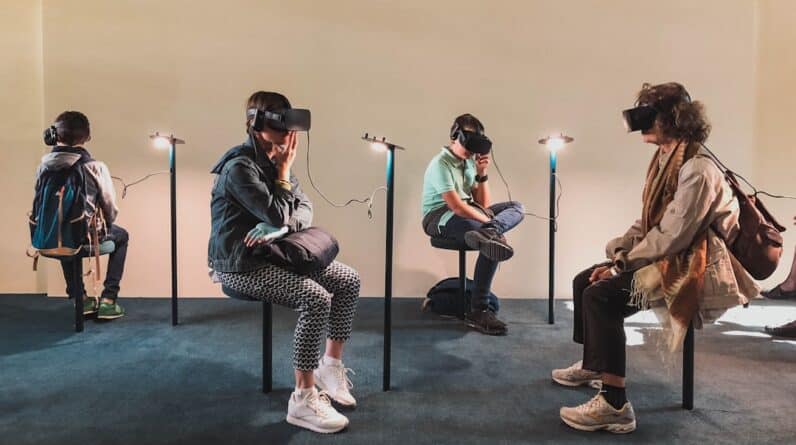
In an era where technology permeates every aspect of our lives, education is no exception. You may have noticed a shift towards personalized learning, a method that tailors educational experiences to meet the unique needs of each student. This approach recognizes that every learner is different, with distinct strengths, weaknesses, and interests.
By integrating artificial intelligence (AI) into this framework, educators can create more adaptive and responsive learning environments. The fusion of personalized learning and AI not only enhances the educational experience but also prepares you for a future where adaptability and individualized learning are paramount. As you delve deeper into the world of personalized learning with AI, you will discover how this innovative approach can revolutionize traditional educational models.
The traditional “one-size-fits-all” method often leaves many students behind, unable to keep pace with standardized curricula. In contrast, personalized learning leverages AI to analyze data and provide insights that help educators tailor their teaching strategies. This dynamic relationship between technology and education opens up new avenues for engagement, motivation, and achievement, ensuring that you receive the support necessary to thrive in your academic journey.
Key Takeaways
- Personalized learning with AI allows for customized learning experiences based on individual student needs and abilities.
- AI in education plays a crucial role in providing personalized feedback, adaptive learning paths, and intelligent tutoring systems.
- The benefits of personalized learning with AI include improved student engagement, better learning outcomes, and more efficient use of teachers’ time.
- Challenges of implementing AI in education include concerns about data privacy, equity in access to AI tools, and the need for teacher training.
- Examples of AI in personalized learning include adaptive learning platforms, virtual tutors, and AI-powered content recommendation systems.
- The future of education will be transformed by AI, with the potential for personalized, adaptive, and immersive learning experiences.
- Ethical considerations in AI-powered education include issues of bias, transparency, and the responsible use of student data.
- Tips for embracing AI in personalized learning include investing in teacher training, ensuring equity in access to AI tools, and prioritizing student privacy and data security.
The Role of Artificial Intelligence in Education
Artificial intelligence plays a pivotal role in reshaping the educational landscape. You might be surprised to learn that AI can analyze vast amounts of data in real-time, allowing it to identify patterns and trends that would be impossible for a human educator to discern alone. This capability enables AI to provide personalized recommendations for learning materials, pacing, and assessment methods tailored specifically to your needs.
By harnessing the power of AI, educators can create a more nuanced understanding of each student’s learning journey. Moreover, AI can facilitate communication between students and teachers in ways that enhance the learning experience. For instance, chatbots powered by AI can provide instant feedback on assignments or answer questions outside of classroom hours.
This immediate access to information can help you stay engaged and motivated, as you no longer have to wait for scheduled class time to seek clarification or assistance. The integration of AI into education not only streamlines administrative tasks but also fosters a more interactive and responsive learning environment.
Benefits of Personalized Learning with AI

The benefits of personalized learning with AI are manifold and can significantly enhance your educational experience. One of the most notable advantages is the ability to learn at your own pace. With AI-driven platforms, you can progress through material as quickly or slowly as you need, allowing for a deeper understanding of complex concepts.
This flexibility empowers you to take ownership of your learning journey, fostering a sense of autonomy that can lead to increased motivation and engagement. Additionally, personalized learning with AI can help identify gaps in your knowledge and provide targeted resources to address those areas. For example, if you struggle with a particular math concept, an AI system can recommend specific exercises or tutorials designed to reinforce your understanding.
This targeted approach not only saves time but also ensures that you receive the support necessary to build a solid foundation in your studies. As a result, you may find yourself more confident in your abilities and better prepared for future challenges.
Challenges and Concerns of Implementing AI in Education
While the potential benefits of personalized learning with AI are significant, there are also challenges and concerns that must be addressed. One major issue is the digital divide; not all students have equal access to technology or high-speed internet. If you come from a background where resources are limited, the implementation of AI in education could exacerbate existing inequalities rather than alleviate them.
Ensuring equitable access to technology is crucial for the successful integration of AI into personalized learning environments. Another concern revolves around data privacy and security. As AI systems collect and analyze data about your learning habits and performance, there is an inherent risk associated with storing sensitive information.
You may worry about how your data is being used and who has access to it. Educational institutions must prioritize transparency and establish robust data protection measures to safeguard your information while still leveraging the benefits of AI-driven insights.
Examples of AI in Personalized Learning
Numerous examples illustrate how AI is currently being utilized in personalized learning environments. One prominent example is adaptive learning platforms like DreamBox Learning or Knewton, which adjust the difficulty level of exercises based on your performance in real-time. These platforms analyze your responses and adapt the curriculum accordingly, ensuring that you are consistently challenged without becoming overwhelmed.
Another example is intelligent tutoring systems such as Carnegie Learning or Smart Sparrow, which provide personalized feedback and guidance as you work through problems. These systems use AI algorithms to assess your understanding and offer tailored hints or explanations when needed. By simulating one-on-one tutoring experiences, these tools can significantly enhance your learning outcomes and help you grasp complex subjects more effectively.
The Future of Education: How AI Will Transform Learning

As you look toward the future, it becomes clear that AI will play an increasingly central role in transforming education. The potential for continuous improvement in personalized learning experiences is vast, as AI technologies evolve and become more sophisticated. You may find yourself in classrooms where AI-driven tools not only assist teachers but also empower students to take charge of their own learning journeys.
In this future landscape, collaboration between educators and AI will be essential. Teachers will act as facilitators, guiding you through your educational experience while leveraging AI insights to inform their instructional strategies. This partnership will create a more dynamic and engaging classroom environment where you can thrive academically while developing critical skills necessary for success in an ever-changing world.
Ethical Considerations in AI-Powered Education
As with any technological advancement, ethical considerations must be at the forefront of discussions surrounding AI in education. One key issue is the potential for bias in AI algorithms, which could inadvertently perpetuate stereotypes or inequalities within educational settings. It is essential for developers and educators alike to ensure that AI systems are designed with fairness and inclusivity in mind so that all students receive equitable opportunities for success.
Additionally, there is a need for ongoing dialogue about the role of human interaction in education. While AI can provide valuable insights and support, it cannot replace the emotional intelligence and empathy that human educators bring to the classroom. Striking a balance between leveraging technology and maintaining meaningful connections with teachers will be crucial as you navigate your educational journey in an increasingly digital world.
Tips for Embracing AI in Personalized Learning
To make the most of personalized learning with AI, consider adopting a proactive approach to your education. First and foremost, familiarize yourself with the various tools and platforms available to you. Explore adaptive learning systems or intelligent tutoring programs that align with your learning style and preferences.
By actively engaging with these resources, you can enhance your understanding of subjects while benefiting from tailored support. Additionally, maintain open communication with your teachers about your experiences with AI-driven tools. Share feedback on what works well for you and what challenges you encounter; this dialogue can help educators refine their approaches and better support your learning needs.
Finally, embrace a growth mindset as you navigate this new landscape—view challenges as opportunities for growth rather than obstacles to overcome. In conclusion, personalized learning with AI represents a transformative shift in education that has the potential to enhance your academic experience significantly. By understanding the role of AI in education, recognizing its benefits and challenges, and actively engaging with available tools, you can take charge of your learning journey while preparing for a future where adaptability is key.
As technology continues to evolve, so too will the opportunities for personalized education—ensuring that you are equipped with the skills necessary to thrive in an ever-changing world.
Personalized Learning with AI: The Future of Education is a fascinating topic that explores how artificial intelligence can revolutionize the way students learn. For those interested in the practical applications of AI, a related article worth checking out is Fast Ways to Make Money with AI. This article delves into the various ways in which AI can be leveraged to generate income and create new opportunities in the digital age. It provides valuable insights into the potential financial benefits of incorporating AI into different aspects of our lives.
FAQs
What is personalized learning with AI?
Personalized learning with AI refers to the use of artificial intelligence technology to tailor educational experiences to the individual needs and preferences of each student. This can include adaptive learning platforms, intelligent tutoring systems, and other AI-powered tools that provide customized learning pathways for students.
How does personalized learning with AI work?
Personalized learning with AI works by using algorithms to analyze data on students’ learning styles, progress, and areas of difficulty. This data is then used to create personalized learning plans, recommend specific learning resources, and provide targeted feedback to help students achieve their learning goals.
What are the benefits of personalized learning with AI?
Some of the benefits of personalized learning with AI include the ability to cater to individual student needs, improve student engagement and motivation, and provide more targeted support for struggling students. It also has the potential to free up teachers’ time for more personalized interactions with students.
What are some examples of personalized learning with AI in education?
Examples of personalized learning with AI in education include adaptive learning platforms like DreamBox and Knewton, intelligent tutoring systems like Carnegie Learning’s Mika, and AI-powered educational games and simulations. These tools use AI to provide personalized learning experiences for students in various subjects and grade levels.
What are the potential challenges of personalized learning with AI?
Challenges of personalized learning with AI include concerns about data privacy and security, the need for effective teacher training to integrate AI tools into the classroom, and the potential for AI to perpetuate biases or inequalities if not carefully designed and implemented. Additionally, there may be resistance to change from educators and stakeholders.