Understanding consumer behavior is a cornerstone of effective marketing and business strategy. As a business owner or marketer, you know that predicting how consumers will react to products, services, and marketing campaigns can significantly influence your success. The ability to anticipate consumer needs and preferences allows you to tailor your offerings, optimize your marketing efforts, and ultimately drive sales.
In an increasingly competitive marketplace, the insights gained from predicting consumer behavior can set you apart from your competitors. The landscape of consumer behavior is constantly evolving, influenced by various factors such as cultural shifts, technological advancements, and economic conditions. As you navigate this complex terrain, it becomes essential to leverage tools and methodologies that enhance your understanding of consumer preferences.
Traditional methods of market research, while still valuable, often fall short in providing real-time insights. This is where advanced technologies, particularly artificial intelligence (AI), come into play, offering innovative solutions to predict consumer behavior with greater accuracy and efficiency.
Key Takeaways
- Predicting consumer behavior is crucial for businesses to understand and meet the needs of their customers.
- AI plays a significant role in predicting consumer behavior by analyzing large volumes of data and identifying patterns and trends.
- AI utilizes various data sources such as social media, purchase history, and demographic information to predict consumer behavior.
- The benefits of using AI for predicting consumer behavior include improved accuracy, personalized marketing, and enhanced customer experience.
- Challenges and limitations of AI in predicting consumer behavior include data privacy concerns, potential biases, and the need for human oversight.
- Ethical considerations in using AI to predict consumer behavior include transparency, consent, and the responsible use of consumer data.
- Case studies demonstrate successful applications of AI in predicting consumer behavior, such as recommendation systems and targeted advertising.
- The future of AI in predicting consumer behavior involves advancements in machine learning, natural language processing, and the integration of AI into various industries.
The Role of AI in Predicting Consumer Behavior
Enhancing Consumer Behavior Prediction
As you consider integrating AI into your business strategy, it’s essential to understand how it can enhance your ability to predict consumer behavior. AI systems can process data from various sources, including social media interactions, online shopping behaviors, and customer feedback. This multifaceted approach allows you to gain a holistic view of consumer preferences and behaviors.
Understanding Public Opinion
For instance, AI can analyze sentiment from social media posts to gauge public opinion about your brand or product. By understanding these sentiments, you can make informed decisions about marketing strategies and product development that resonate with your target audience.
Unlocking Business Potential
By harnessing the power of AI, you can unlock new business potential by gaining a deeper understanding of your target audience. With AI-driven insights, you can create targeted marketing campaigns, develop products that meet consumer needs, and stay ahead of the competition.
How AI Utilizes Data to Predict Consumer Behavior
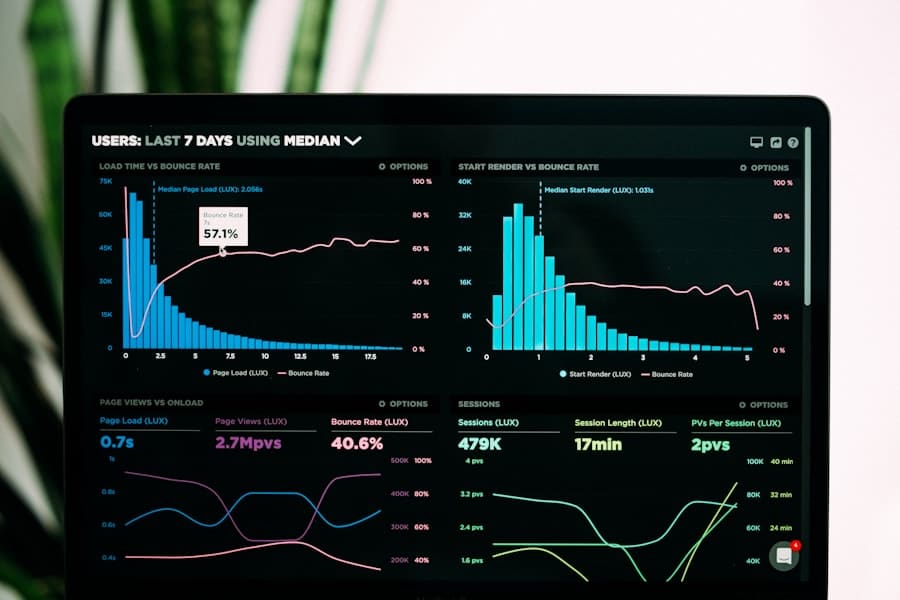
The effectiveness of AI in predicting consumer behavior lies in its ability to utilize data from diverse sources. As you delve deeper into this technology, you’ll find that AI employs various techniques to gather and analyze data. One common method is predictive analytics, which uses historical data to forecast future consumer actions.
By examining past purchasing patterns, demographic information, and even seasonal trends, AI can provide insights into what consumers are likely to buy next. Moreover, AI can segment consumers into distinct groups based on their behaviors and preferences. This segmentation allows you to tailor marketing messages and product offerings to specific audiences, increasing the likelihood of engagement and conversion.
For example, if AI identifies a group of consumers who frequently purchase eco-friendly products, you can create targeted campaigns that highlight the sustainability aspects of your offerings. This level of personalization not only enhances customer satisfaction but also fosters brand loyalty.
The Benefits of Using AI for Predicting Consumer Behavior
Integrating AI into your consumer behavior prediction strategies offers numerous benefits that can significantly impact your business outcomes. One of the most notable advantages is the ability to make data-driven decisions. With AI providing insights based on real-time data analysis, you can respond swiftly to changing market conditions and consumer preferences.
This agility is crucial in today’s fast-paced business environment, where trends can shift overnight. Additionally, AI enhances the accuracy of your predictions. Traditional methods often rely on assumptions or limited data sets, which can lead to inaccuracies.
In contrast, AI algorithms continuously learn from new data inputs, refining their predictions over time. This means that as you gather more information about your consumers, the AI becomes increasingly adept at forecasting their behaviors. The result is a more reliable foundation for your marketing strategies and product development initiatives.
Challenges and Limitations of AI in Predicting Consumer Behavior
While the benefits of using AI for predicting consumer behavior are substantial, it’s essential to acknowledge the challenges and limitations that come with this technology. One significant hurdle is the quality of data. AI relies heavily on accurate and comprehensive data sets to generate meaningful insights.
If the data is flawed or biased, the predictions made by the AI will also be unreliable. As a business owner or marketer, ensuring that you have access to high-quality data is crucial for maximizing the effectiveness of AI. Another challenge lies in the complexity of consumer behavior itself.
Human decision-making is influenced by a myriad of factors, including emotions, social influences, and cultural contexts. While AI can analyze patterns and trends, it may struggle to account for the nuances of human behavior fully. This limitation means that while AI can provide valuable insights, it should be used in conjunction with human intuition and expertise to create a well-rounded understanding of consumer behavior.
Ethical Considerations in Using AI to Predict Consumer Behavior

As you explore the use of AI in predicting consumer behavior, ethical considerations must be at the forefront of your strategy. The collection and analysis of consumer data raise important questions about privacy and consent. Consumers are increasingly aware of how their data is being used, and they expect transparency from businesses regarding their data practices.
As a responsible marketer or business owner, it’s essential to prioritize ethical data collection methods and ensure that consumers are informed about how their information will be utilized. Moreover, there is a risk of perpetuating biases through AI algorithms. If the data used to train these algorithms contains biases—whether related to race, gender, or socioeconomic status—the predictions made by the AI may reinforce these biases in marketing strategies.
To mitigate this risk, it’s crucial to regularly audit your AI systems for fairness and inclusivity. By actively addressing these ethical considerations, you can build trust with your consumers while leveraging AI effectively.
Case Studies: Successful Applications of AI in Predicting Consumer Behavior
Examining real-world case studies can provide valuable insights into how businesses have successfully implemented AI for predicting consumer behavior. One notable example is Netflix, which uses sophisticated algorithms to analyze viewer preferences and behaviors. By examining what shows users watch, how long they watch them, and even when they pause or stop watching, Netflix can recommend content tailored to individual tastes.
This personalized approach has been instrumental in retaining subscribers and enhancing user satisfaction. Another compelling case is Amazon’s recommendation engine, which utilizes AI to suggest products based on previous purchases and browsing history. By analyzing vast amounts of consumer data, Amazon can predict what items a customer might be interested in purchasing next.
This not only increases sales but also improves the overall shopping experience for consumers by making it easier for them to discover new products aligned with their interests.
The Future of AI in Predicting Consumer Behavior
Looking ahead, the future of AI in predicting consumer behavior appears promising yet complex. As technology continues to evolve, you can expect even more sophisticated algorithms capable of analyzing deeper layers of consumer data. Innovations such as natural language processing (NLP) will enable AI systems to understand human emotions expressed in text or speech more accurately.
This capability could revolutionize how businesses interact with consumers by allowing for more empathetic marketing strategies. Furthermore, as consumers become more accustomed to personalized experiences, the demand for advanced predictive analytics will only grow. Businesses that embrace these technologies will likely gain a competitive edge by delivering tailored experiences that resonate with their audiences on a deeper level.
However, as you navigate this future landscape, it’s essential to remain vigilant about ethical considerations and ensure that your use of AI aligns with consumer expectations regarding privacy and fairness. In conclusion, predicting consumer behavior through AI presents both opportunities and challenges for businesses today. By understanding how AI works and its implications for your marketing strategies, you can harness its power to gain valuable insights into consumer preferences while navigating ethical considerations responsibly.
As you look toward the future, embracing these technologies will be key to staying ahead in an ever-evolving marketplace.
Predicting Consumer Behavior: The Power of AI is a fascinating article that delves into how artificial intelligence can revolutionize the way businesses understand and anticipate consumer preferences. For further insights into the capabilities of AI, readers may also be interested in the article Is Siri Artificial Intelligence?. This piece explores the technology behind virtual assistants like Siri and how they utilize AI to enhance user experiences.
FAQs
What is consumer behavior prediction?
Consumer behavior prediction is the process of using data and analytics to forecast how consumers will behave in the future. This can include their purchasing decisions, preferences, and overall interactions with products and services.
How does AI help in predicting consumer behavior?
AI (Artificial Intelligence) helps in predicting consumer behavior by analyzing large volumes of data to identify patterns and trends. Machine learning algorithms can then use this data to make predictions about future consumer behavior based on past actions and preferences.
What are the benefits of using AI for consumer behavior prediction?
Using AI for consumer behavior prediction can provide businesses with valuable insights into their target audience, allowing them to tailor their marketing strategies, product development, and customer experiences to better meet consumer needs. This can lead to increased customer satisfaction and loyalty, as well as improved business performance.
What are some examples of AI applications in consumer behavior prediction?
AI applications in consumer behavior prediction include personalized product recommendations, targeted advertising, sentiment analysis of customer feedback, and predictive modeling of customer churn or retention.
What are the potential challenges or limitations of using AI for consumer behavior prediction?
Challenges and limitations of using AI for consumer behavior prediction can include issues related to data privacy and security, as well as the need for accurate and representative data to train AI models. Additionally, ethical considerations around the use of consumer data and potential biases in AI algorithms are important factors to consider.