As you delve into the world of wildlife conservation, you may find yourself captivated by the intersection of technology and nature. Artificial Intelligence (AI) has emerged as a transformative force in this field, offering innovative solutions to some of the most pressing challenges faced by wildlife and their habitats. The integration of AI into conservation efforts is not merely a trend; it represents a paradigm shift that enhances our ability to protect endangered species, monitor ecosystems, and combat illegal activities such as poaching.
By harnessing the power of AI, conservationists are better equipped to make informed decisions that can lead to more effective strategies for preserving biodiversity. The urgency of wildlife conservation cannot be overstated. With habitat destruction, climate change, and poaching threatening countless species, the need for advanced tools has never been greater.
AI provides a unique opportunity to analyze vast amounts of data quickly and accurately, enabling you to identify patterns and trends that would be impossible to discern through traditional methods. As you explore the various applications of AI in wildlife conservation, you will discover how this technology is revolutionizing the way we approach the protection of our planet’s most vulnerable inhabitants.
Key Takeaways
- AI is revolutionizing wildlife conservation by providing innovative solutions to various challenges.
- AI is being used in wildlife conservation for monitoring and tracking endangered species, predictive modeling for habitat preservation, and anti-poaching efforts.
- Monitoring and tracking endangered species using AI involves the use of advanced technology such as drones, camera traps, and satellite imagery.
- Predictive modeling for habitat preservation uses AI to analyze data and predict changes in habitat, helping conservationists make informed decisions.
- AI is being used in anti-poaching efforts through the development of smart sensors, predictive analytics, and real-time monitoring systems to protect wildlife from illegal activities.
Applications of AI in Wildlife Conservation
AI’s applications in wildlife conservation are diverse and multifaceted, ranging from data analysis to real-time monitoring. One of the most significant contributions of AI is its ability to process large datasets generated by various sources, such as camera traps, drones, and satellite imagery. By employing machine learning algorithms, AI can analyze these data streams to identify species, track movements, and assess population dynamics.
This capability allows conservationists like you to gain insights into animal behavior and habitat use, which are crucial for developing effective management strategies. Moreover, AI-powered tools can enhance community engagement in conservation efforts. For instance, citizen science initiatives can leverage AI to analyze data collected by volunteers, making it easier for you to contribute to wildlife monitoring projects.
By democratizing data analysis, AI fosters a sense of ownership and responsibility among local communities, encouraging them to participate actively in conservation efforts. This collaborative approach not only strengthens the impact of conservation initiatives but also builds a network of informed advocates for wildlife protection.
Monitoring and Tracking Endangered Species
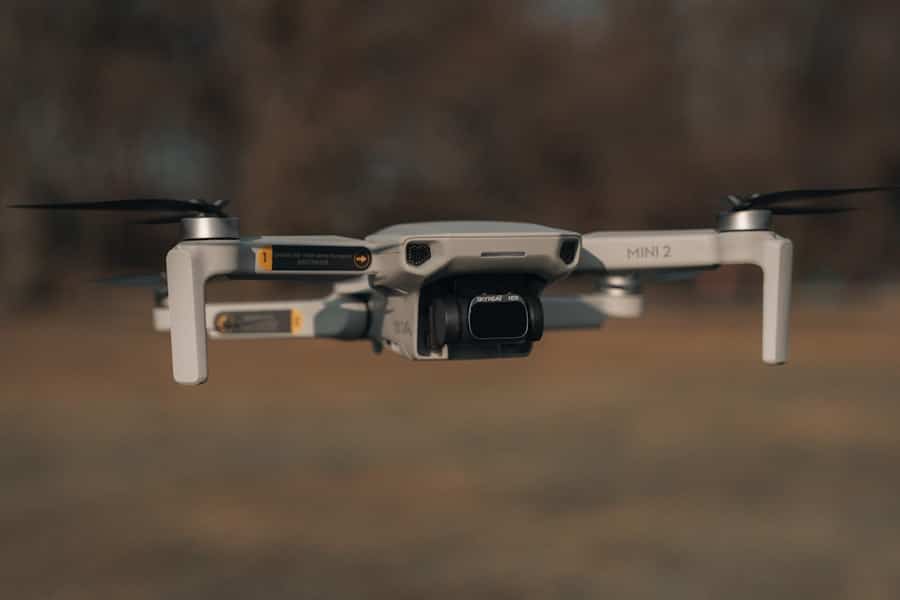
One of the most critical aspects of wildlife conservation is monitoring endangered species to ensure their survival. AI technologies have revolutionized this process by providing more efficient and accurate tracking methods. For example, GPS collars equipped with AI algorithms can collect real-time data on animal movements and behaviors.
This information is invaluable for understanding migration patterns, breeding habits, and habitat preferences. As you engage with these technologies, you will appreciate how they enable researchers to make data-driven decisions that can significantly impact conservation outcomes. In addition to GPS tracking, AI can analyze images captured by camera traps to identify individual animals based on unique markings or features.
This method not only saves time but also increases the accuracy of population estimates. By automating the identification process, you can focus on interpreting the data and developing strategies for species recovery. The ability to monitor endangered species more effectively allows you to respond swiftly to threats and adapt management practices as needed, ultimately contributing to the long-term survival of these vulnerable populations.
Predictive Modeling for Habitat Preservation
Habitat preservation is a cornerstone of wildlife conservation, and predictive modeling powered by AI plays a crucial role in this endeavor. By analyzing historical data on environmental conditions, species distributions, and human activities, AI can forecast future changes in habitats. This predictive capability enables you to identify areas at risk of degradation or loss due to factors such as climate change or urban development.
Armed with this knowledge, you can prioritize conservation efforts in regions that are most critical for maintaining biodiversity. Furthermore, predictive modeling can inform habitat restoration initiatives by simulating various scenarios and their potential outcomes. For instance, if you are considering reintroducing a species into a specific area, AI can help assess whether the habitat can support that species based on current conditions and projected changes.
This level of foresight allows for more strategic planning and resource allocation, ensuring that your conservation efforts yield the greatest possible impact.
Anti-Poaching Efforts with AI
The fight against poaching is one of the most urgent challenges facing wildlife conservation today. AI technologies are proving to be invaluable allies in this battle. By utilizing machine learning algorithms to analyze patterns in poaching incidents, you can identify hotspots where illegal activities are most likely to occur.
This information allows law enforcement agencies and conservation organizations to allocate resources more effectively and implement targeted patrols in high-risk areas. Moreover, AI-powered surveillance systems can monitor protected areas in real-time using drones or remote cameras equipped with advanced image recognition capabilities. These systems can detect suspicious activities or intrusions and alert rangers immediately.
By enhancing surveillance efforts with AI, you can significantly increase the chances of intercepting poachers before they can harm wildlife. The integration of technology into anti-poaching strategies not only improves enforcement but also serves as a deterrent against illegal activities.
Challenges and Limitations of AI in Wildlife Conservation

Despite its many advantages, the application of AI in wildlife conservation is not without challenges and limitations. One significant hurdle is the quality and availability of data. For AI algorithms to function effectively, they require large datasets that are accurate and representative of the ecosystems being studied.
In many cases, such data may be scarce or difficult to obtain due to logistical constraints or funding limitations. As you navigate these challenges, it becomes clear that collaboration among researchers, governments, and local communities is essential for building comprehensive datasets that can support AI initiatives. Another limitation lies in the potential for bias in AI algorithms.
If the data used to train these algorithms is skewed or incomplete, it may lead to inaccurate predictions or recommendations. As a conservationist, it is crucial for you to remain vigilant about the sources of your data and ensure that diverse perspectives are considered in the development of AI models. Addressing these challenges requires ongoing research and adaptation as technology evolves alongside our understanding of complex ecological systems.
Ethical Considerations in AI and Wildlife Conservation
As you explore the role of AI in wildlife conservation, ethical considerations must remain at the forefront of your decision-making process. The deployment of technology raises questions about privacy, consent, and the potential impact on local communities and wildlife populations. For instance, while surveillance systems can enhance anti-poaching efforts, they may also infringe on the rights of individuals living near protected areas.
Striking a balance between effective conservation practices and respecting community rights is essential for fostering trust and collaboration. Additionally, there is a risk that reliance on technology could overshadow traditional ecological knowledge held by local communities. As you engage with AI tools, it is vital to recognize the value of indigenous wisdom and incorporate it into your conservation strategies.
By combining technological advancements with local insights, you can create more holistic approaches that respect both nature and the people who depend on it.
Future Potential of AI in Wildlife Conservation
Looking ahead, the future potential of AI in wildlife conservation is both exciting and promising. As technology continues to advance, you can expect even more sophisticated tools that enhance your ability to protect endangered species and their habitats. Innovations such as improved machine learning algorithms and enhanced sensor technologies will enable more precise monitoring and analysis of ecosystems.
Moreover, as public awareness of wildlife conservation grows, there will likely be increased investment in research and development related to AI applications in this field. This influx of resources could lead to groundbreaking discoveries that further empower conservationists like you to tackle pressing challenges effectively. By embracing these advancements while remaining mindful of ethical considerations and community engagement, you can play a pivotal role in shaping a future where technology and nature coexist harmoniously for the benefit of all living beings.
In conclusion, your journey through the realm of AI in wildlife conservation reveals a landscape rich with possibilities. From monitoring endangered species to combating poaching efforts, AI offers powerful tools that enhance our capacity to protect biodiversity. However, as you navigate this evolving field, it is essential to remain aware of the challenges and ethical considerations that accompany technological advancements.
By fostering collaboration among stakeholders and integrating diverse perspectives into your work, you can contribute meaningfully to a sustainable future for wildlife conservation.
A related article to Saving Species with Technology: AI in Wildlife Conservation discusses the use of AI for protecting endangered species. The article explores how artificial intelligence is being utilized to track and monitor wildlife populations, identify poaching activities, and develop conservation strategies. To learn more about the role of AI in wildlife conservation, you can read the full article here.
FAQs
What is AI in wildlife conservation?
AI in wildlife conservation refers to the use of artificial intelligence technology to aid in the monitoring, protection, and conservation of endangered species and their habitats. This can include using AI to analyze data from camera traps, satellite imagery, and acoustic sensors to track and protect wildlife populations.
How does AI help in wildlife conservation?
AI helps in wildlife conservation by providing more efficient and accurate methods for monitoring and protecting endangered species. It can analyze large amounts of data to identify patterns, track animal movements, detect poaching activities, and assess habitat health, allowing conservationists to make more informed decisions and take proactive measures to protect wildlife.
What are some examples of AI applications in wildlife conservation?
Some examples of AI applications in wildlife conservation include using machine learning algorithms to identify and count animals in camera trap images, using drones equipped with AI to survey and monitor wildlife populations, and using AI-powered acoustic sensors to detect and track animal vocalizations.
What are the benefits of using AI in wildlife conservation?
The benefits of using AI in wildlife conservation include improved efficiency and accuracy in monitoring and protecting wildlife, the ability to analyze large and complex data sets, early detection of threats such as poaching and habitat loss, and the potential to optimize conservation efforts and resources.
Are there any challenges or limitations to using AI in wildlife conservation?
Challenges and limitations to using AI in wildlife conservation can include the high cost of implementing AI technology, the need for specialized expertise to develop and deploy AI systems, potential ethical concerns related to data privacy and animal welfare, and the risk of over-reliance on technology at the expense of traditional conservation methods.