As you delve into the world of technology, you may have noticed a remarkable trend: the rise of AI-human hybrid technology. This innovative field is not merely a futuristic concept; it is rapidly becoming a reality. The integration of artificial intelligence with human capabilities is transforming various sectors, from healthcare to education, and even entertainment.
You might find it fascinating how this hybridization is reshaping the way we interact with machines, enhancing our cognitive abilities, and expanding the boundaries of human potential. The development of AI-human hybrids is driven by advancements in neuroscience, robotics, and machine learning. You can see this in the emergence of brain-computer interfaces (BCIs) that allow for direct communication between the human brain and external devices.
Imagine being able to control a computer or prosthetic limb with just your thoughts! This technology is not just about convenience; it has the potential to revolutionize how you perceive and interact with the world around you. As these technologies continue to evolve, you may find yourself living in a society where the line between human and machine becomes increasingly blurred.
Key Takeaways
- AI-human hybrid technology is on the rise, with advancements in brain-computer interfaces and neural implants leading to new possibilities for merging minds with machines.
- Ethical implications of AI-human hybridization include concerns about privacy, autonomy, and the potential for inequality and discrimination.
- Advantages of AI-human hybridization include enhanced cognitive abilities and potential for medical breakthroughs, while disadvantages include the risk of dependency and loss of human identity.
- The potential impact of AI-human hybridization on society ranges from improved productivity and healthcare to increased inequality and job displacement.
- AI-human hybridization has the potential to revolutionize healthcare and medicine, with applications in diagnostics, treatment, and rehabilitation.
- The future of work and employment in the age of AI-human hybridization is uncertain, with potential for both job creation and displacement.
- Legal and regulatory considerations for AI-human hybrid technology include issues of consent, liability, and the need for new frameworks to govern the use of these technologies.
- The integration of AI-human hybridization in education and learning has the potential to enhance learning outcomes and provide new opportunities for personalized education.
The Ethical Implications of Merging Minds with Machines
As you explore the implications of merging minds with machines, ethical considerations come to the forefront. The prospect of AI-human hybridization raises profound questions about identity, autonomy, and what it means to be human. You might wonder how this technology could affect your sense of self and your relationships with others.
If a machine can enhance your cognitive abilities or even alter your emotions, what does that mean for your individuality? These are questions that society must grapple with as we move forward. Moreover, the potential for misuse of AI-human hybrid technology cannot be overlooked.
You may be concerned about issues such as privacy, consent, and the potential for manipulation. If your thoughts can be accessed or influenced by external devices, who holds the power? The ethical landscape surrounding this technology is complex and requires careful consideration.
As you engage in discussions about AI-human hybrids, it’s essential to advocate for responsible development and use of these technologies to ensure they benefit humanity as a whole.
Advantages and Disadvantages of AI-human Hybridization

When considering AI-human hybridization, it’s crucial to weigh both its advantages and disadvantages. On one hand, the benefits are compelling. You may find that enhanced cognitive functions lead to improved problem-solving skills, increased creativity, and even greater emotional intelligence.
Imagine being able to process information at lightning speed or access vast amounts of knowledge instantly! These enhancements could lead to breakthroughs in various fields, from scientific research to artistic expression. However, there are significant drawbacks to consider as well.
The reliance on AI could lead to a decline in critical thinking skills and creativity if individuals become overly dependent on technology. You might also worry about the potential for inequality; those who can afford access to advanced hybrid technologies may gain an unfair advantage over others. Additionally, the risk of dehumanization looms large—if machines begin to take over aspects of our cognitive processes, what happens to our humanity?
Balancing these advantages and disadvantages will be crucial as society navigates this uncharted territory.
The Potential Impact of AI-human Hybridization on Society
The societal impact of AI-human hybridization is profound and multifaceted. As you consider its implications, you may envision a future where collaboration between humans and machines leads to unprecedented advancements in various sectors. For instance, in education, personalized learning experiences could become the norm, allowing students to learn at their own pace while receiving real-time feedback from AI systems.
This could lead to a more engaged and informed populace. However, you should also be aware of the potential societal divides that could emerge from unequal access to hybrid technologies. If only a select few can afford these enhancements, it could exacerbate existing inequalities and create a new class of “enhanced” individuals versus those who remain “unaltered.” This divide could lead to social tensions and ethical dilemmas that society must address proactively.
As you reflect on these possibilities, consider how important it is for policymakers and technologists to work together to create equitable access to AI-human hybrid technologies.
The Role of AI-human Hybridization in Healthcare and Medicine
In the realm of healthcare and medicine, AI-human hybridization holds transformative potential that could redefine patient care and treatment methodologies. You might be intrigued by how this technology can enhance diagnostic accuracy through advanced data analysis and predictive algorithms. Imagine a world where doctors can leverage AI-driven insights to make more informed decisions about patient care, leading to better outcomes and more personalized treatment plans.
Moreover, the integration of AI with human capabilities can significantly improve rehabilitation processes for patients recovering from injuries or surgeries. You may find it inspiring that brain-computer interfaces can help individuals regain mobility or cognitive function by directly connecting their neural pathways with assistive devices. However, as you consider these advancements, it’s essential to remain vigilant about ethical concerns surrounding patient consent and data privacy in this new landscape.
The Future of Work and Employment in the Age of AI-human Hybridization
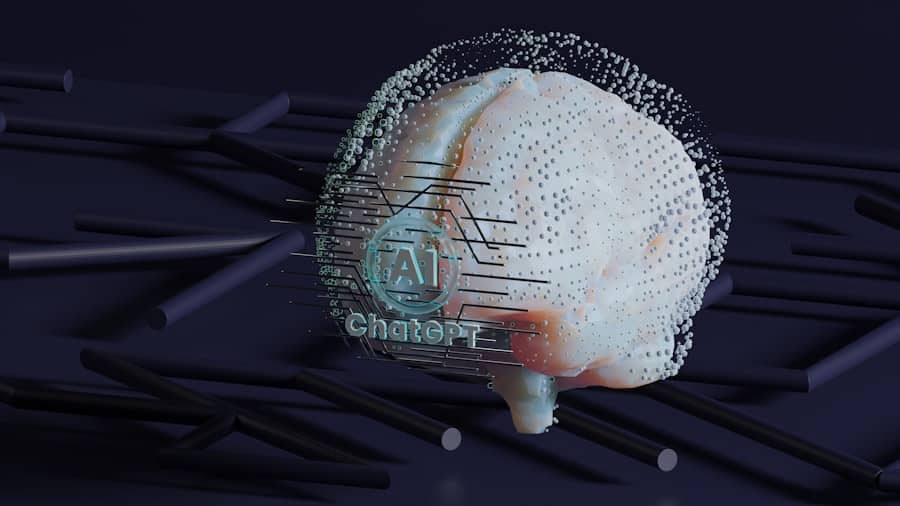
As you contemplate the future of work in an age dominated by AI-human hybridization, you may feel a mix of excitement and apprehension. The integration of AI into various job sectors promises increased efficiency and productivity, allowing you to focus on more complex tasks that require human creativity and emotional intelligence. However, this shift also raises concerns about job displacement as machines take over routine tasks traditionally performed by humans.
You might wonder how industries will adapt to this new reality. Reskilling and upskilling will become essential as workers need to learn how to collaborate effectively with AI systems. The demand for jobs that require uniquely human skills—such as empathy, critical thinking, and creativity—will likely increase.
As you navigate this evolving job market, consider how important it is for educational institutions and employers to prepare individuals for a future where human-AI collaboration is the norm.
Legal and Regulatory Considerations for AI-human Hybrid Technology
The rapid advancement of AI-human hybrid technology necessitates careful legal and regulatory considerations. As you explore this landscape, you may recognize the challenges lawmakers face in keeping pace with technological innovation. Issues such as intellectual property rights, liability in case of malfunction or misuse, and data protection are all critical areas that require attention.
You might also be concerned about the need for comprehensive regulations that ensure ethical standards are upheld in the development and deployment of hybrid technologies. As society grapples with these challenges, public discourse will play a vital role in shaping policies that protect individual rights while fostering innovation. Engaging in conversations about these legal frameworks will be essential as we collectively navigate the complexities of AI-human hybridization.
The Integration of AI-human Hybridization in Education and Learning
In education, the integration of AI-human hybridization presents exciting opportunities for personalized learning experiences tailored to individual needs. You may envision classrooms where students interact with AI tutors that adapt their teaching methods based on each learner’s unique strengths and weaknesses. This could lead to improved educational outcomes and greater student engagement.
However, as you consider these advancements, it’s crucial to address potential challenges such as data privacy concerns and the digital divide between those who have access to advanced technologies and those who do not. Ensuring equitable access to AI-enhanced educational tools will be vital in creating a fair learning environment for all students. As you reflect on these possibilities, think about how important it is for educators and policymakers to collaborate in shaping an inclusive future for education in the age of AI-human hybridization.
In conclusion, as you navigate the complexities of AI-human hybrid technology, it’s essential to remain informed about its implications across various sectors. From ethical considerations to societal impacts, understanding this evolving landscape will empower you to engage thoughtfully in discussions about our collective future with technology.
In a related article titled “The AI Superheroes: Ensuring a Fair and Responsible AI Future” on AILab360, the discussion revolves around the importance of ethical considerations in the development and deployment of artificial intelligence technologies. This article delves into the role of AI experts in ensuring that AI systems are designed and used in a responsible manner, highlighting the need for transparency, accountability, and fairness in AI applications. The insights provided in this article complement the exploration of the potential implications of merging human minds with machines in “The AI-human Hybrid: Merging Minds with Machines.”
FAQs
What is the AI-human hybrid?
The AI-human hybrid refers to the concept of merging artificial intelligence with the human brain or body in order to enhance cognitive abilities, physical capabilities, or overall human performance.
How does the AI-human hybrid work?
The AI-human hybrid can work through various methods such as brain-computer interfaces, neural implants, or wearable devices that connect to the human body and communicate with artificial intelligence systems.
What are the potential benefits of the AI-human hybrid?
Potential benefits of the AI-human hybrid include improved cognitive abilities, enhanced memory, increased processing speed, and the ability to control external devices or machinery with the mind.
What are the ethical considerations of the AI-human hybrid?
Ethical considerations of the AI-human hybrid include concerns about privacy, consent, autonomy, and the potential for unequal access to enhancements that could create social disparities.
What are the potential risks of the AI-human hybrid?
Potential risks of the AI-human hybrid include the loss of individual identity, the potential for hacking or misuse of technology, and the possibility of unintended consequences on human health and well-being.
What are some current developments in the field of AI-human hybrid technology?
Current developments in the field of AI-human hybrid technology include research into brain-computer interfaces, neural prosthetics, and the development of AI systems that can interact with and augment human capabilities.