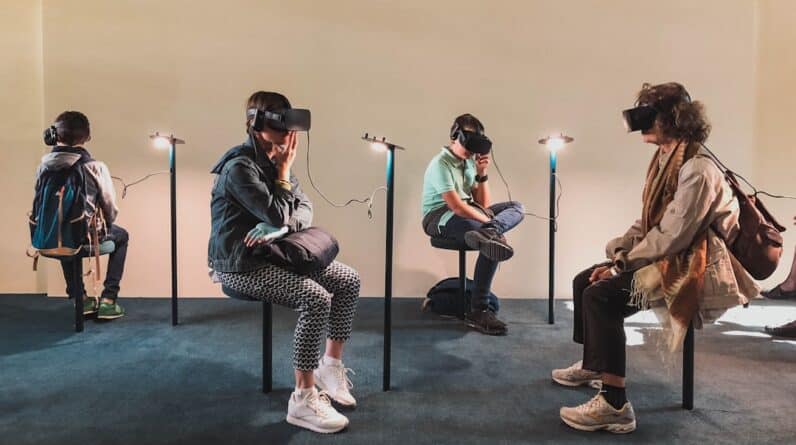
In an increasingly interconnected world, the potential for conflict is ever-present. As you navigate through the complexities of international relations, you may find yourself pondering how technology can play a pivotal role in preventing disputes before they escalate into violence. Artificial Intelligence (AI) has emerged as a powerful tool in this arena, offering innovative solutions to identify, analyze, and mitigate potential conflicts.
By harnessing vast amounts of data and employing sophisticated algorithms, AI can provide insights that were previously unattainable, enabling policymakers and peacekeepers to act proactively rather than reactively. The integration of AI into conflict prevention strategies marks a significant shift in how nations and organizations approach peacekeeping. You might consider how traditional methods often relied on historical data and human intuition, which can be limited and subjective.
In contrast, AI offers a more objective lens through which to view potential flashpoints. By analyzing patterns and trends in real-time, AI can help you understand the underlying factors that contribute to conflict, allowing for timely interventions that could save lives and resources. As you delve deeper into this topic, you will discover the multifaceted ways in which AI is reshaping the landscape of conflict prevention.
Key Takeaways
- AI plays a crucial role in conflict prevention by utilizing predictive analytics and monitoring social media and news sources for early warning signs.
- Predictive analytics can help identify potential conflicts by analyzing historical data and patterns to forecast future events.
- AI can effectively monitor and analyze social media and news sources to detect early warning signs of potential conflicts, allowing for timely intervention.
- Ethical implications of AI peacekeeping highlight the importance of human oversight to ensure responsible and ethical use of AI in conflict prevention.
- Case studies demonstrate how AI has successfully prevented conflicts in the past, showcasing its potential to make a positive impact on global stability and security.
The Power of Predictive Analytics in Identifying Potential Conflicts
Predictive analytics is one of the most compelling applications of AI in conflict prevention. By leveraging historical data and current trends, predictive models can forecast where and when conflicts are likely to arise. Imagine being able to anticipate unrest before it manifests, allowing governments and organizations to take preemptive measures.
This capability is not just theoretical; it is grounded in the analysis of various indicators such as economic instability, social unrest, and political tensions. As you explore this concept further, you will see how predictive analytics can serve as an early warning system for potential conflicts. You may find it fascinating that predictive analytics can also be tailored to specific regions or communities, taking into account local dynamics that might not be visible on a larger scale.
For instance, by analyzing demographic data, economic conditions, and historical grievances, AI can identify communities at risk of violence. This localized approach allows for targeted interventions that are more likely to be effective. As you consider the implications of this technology, it becomes clear that predictive analytics not only enhances our understanding of conflict dynamics but also empowers decision-makers to act with foresight and precision.
Utilizing AI to Monitor and Analyze Social Media and News Sources for Early Warning Signs
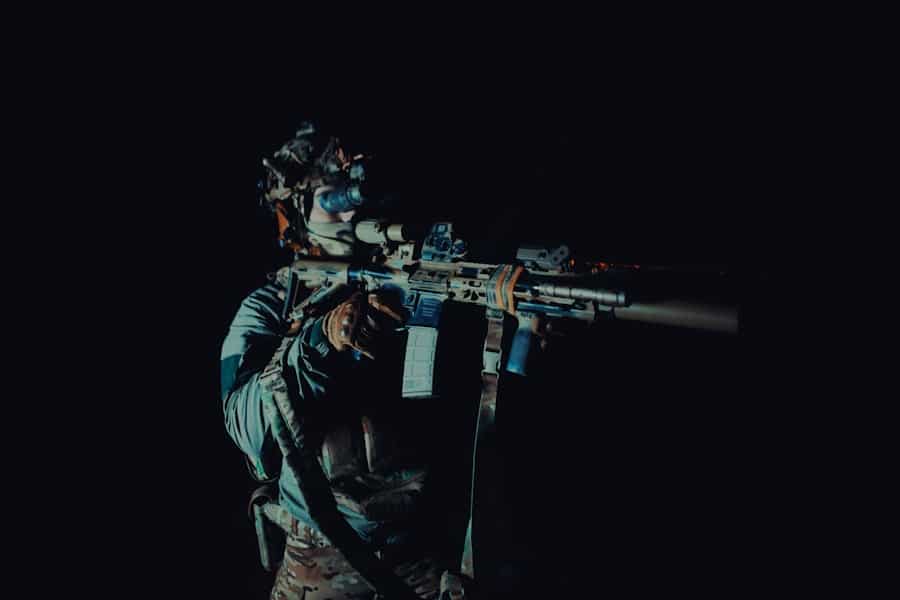
In today’s digital age, social media and news platforms serve as vital sources of information about public sentiment and emerging tensions. You might be surprised to learn that AI can sift through vast amounts of data from these sources to detect early warning signs of conflict. By employing natural language processing (NLP) techniques, AI can analyze posts, tweets, and articles to gauge public sentiment and identify potential flashpoints.
This capability allows for real-time monitoring of social dynamics, providing invaluable insights into the mood of a population. As you reflect on this application of AI, consider how it can complement traditional intelligence-gathering methods. While human analysts may struggle to keep up with the sheer volume of online content, AI can process this information at lightning speed.
This not only enhances situational awareness but also enables organizations to respond swiftly to emerging threats. For example, if a particular hashtag begins trending in a region known for political unrest, AI can alert authorities to investigate further. By harnessing the power of social media analysis, you can see how AI plays a crucial role in identifying potential conflicts before they escalate.
The Ethical Implications of AI Peacekeeping and the Importance of Human Oversight
While the benefits of AI in conflict prevention are significant, ethical considerations must also be at the forefront of discussions surrounding its implementation. You may wonder about the implications of relying on algorithms to make decisions that could impact human lives. The potential for bias in AI systems is a pressing concern; if the data used to train these models is flawed or unrepresentative, the outcomes could perpetuate existing inequalities or exacerbate tensions.
As you contemplate these issues, it becomes clear that human oversight is essential in ensuring that AI serves as a tool for peace rather than a catalyst for conflict. Moreover, the question of accountability arises when AI systems are involved in peacekeeping efforts. If an algorithm misinterprets data and leads to an inappropriate response, who is responsible?
As you navigate these ethical dilemmas, it is crucial to advocate for transparency in AI development and deployment. Engaging diverse stakeholders—including ethicists, technologists, and community representatives—can help create frameworks that prioritize human rights and dignity. By fostering a collaborative approach to AI peacekeeping, you can contribute to a future where technology enhances our ability to prevent conflict while upholding ethical standards.
Case Studies: How AI has Successfully Prevented Conflicts in the Past
Examining real-world examples can provide valuable insights into the effectiveness of AI in conflict prevention. One notable case is the use of predictive analytics by the United Nations in various peacekeeping missions. You may recall instances where data-driven approaches have successfully identified regions at risk of violence, allowing for timely interventions that mitigated potential crises.
For example, in countries like South Sudan and Mali, AI-driven models have been employed to analyze socio-political factors and predict outbreaks of violence, enabling peacekeepers to allocate resources more effectively. Another compelling case study involves the use of social media monitoring during electoral processes. In several countries, AI tools have been deployed to track online discourse surrounding elections, identifying inflammatory rhetoric or misinformation that could incite violence.
By alerting authorities to these trends, proactive measures can be taken to address grievances before they escalate into physical confrontations. As you reflect on these examples, it becomes evident that AI has already demonstrated its potential as a valuable ally in the pursuit of global peace.
The Challenges of Implementing AI Peacekeeping on a Global Scale
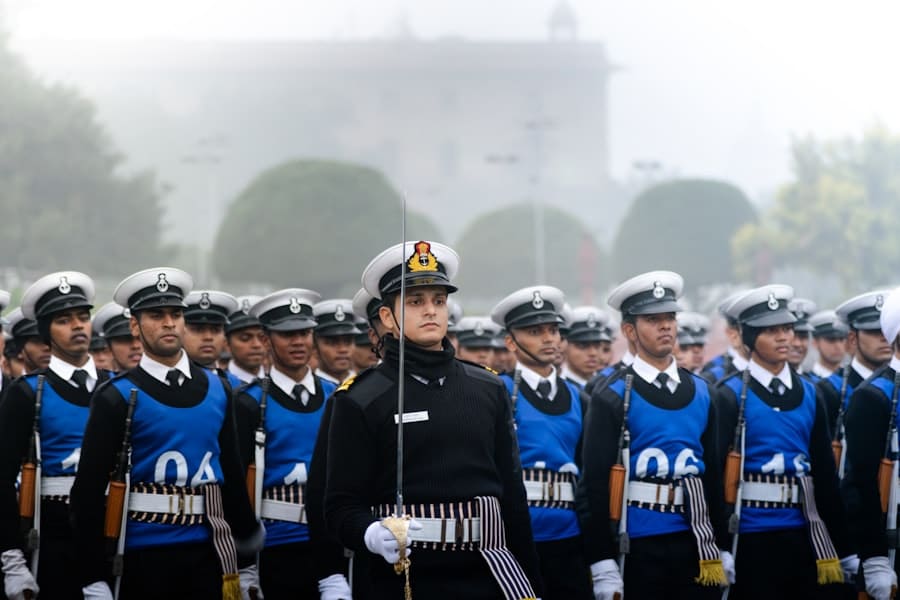
Despite the promising applications of AI in conflict prevention, significant challenges remain in implementing these technologies on a global scale. One major hurdle is the disparity in technological infrastructure across different regions. You may recognize that while some countries have access to advanced AI tools and data analytics capabilities, others lack the necessary resources or expertise.
This digital divide can hinder collaborative efforts and limit the effectiveness of AI-driven peacekeeping initiatives. Additionally, concerns about data privacy and security pose significant challenges. As you consider the implications of monitoring social media and news sources for early warning signs, it becomes clear that balancing surveillance with individual rights is a delicate task.
Striking this balance requires careful consideration of legal frameworks and ethical guidelines to ensure that AI is used responsibly and transparently. As you engage with these challenges, it is essential to advocate for inclusive approaches that empower all nations to participate in AI-driven peacekeeping efforts.
The Future of AI Peacekeeping: Advancements and Potential Limitations
Looking ahead, the future of AI in peacekeeping holds both promise and uncertainty. You may be intrigued by ongoing advancements in machine learning algorithms that enhance predictive capabilities and improve accuracy in conflict forecasting. As researchers continue to refine these technologies, there is potential for even more sophisticated models that can account for complex social dynamics and cultural nuances.
This evolution could lead to more effective interventions that address the root causes of conflict rather than merely responding to symptoms. However, it is essential to remain cautious about potential limitations as well. As you consider the rapid pace of technological advancement, you might reflect on the importance of maintaining human judgment in decision-making processes.
While AI can provide valuable insights, it cannot replace the nuanced understanding that comes from human experience and empathy. Ensuring that human oversight remains integral to AI peacekeeping efforts will be crucial in navigating the complexities of conflict prevention.
The Potential Impact of AI Peacekeeping on Global Stability and Security
In conclusion, the integration of AI into conflict prevention strategies has the potential to revolutionize how we approach global stability and security. As you have explored throughout this article, AI offers powerful tools for predictive analytics, social media monitoring, and data analysis that can help identify potential conflicts before they escalate into violence. However, it is essential to navigate the ethical implications carefully and ensure that human oversight remains central to these efforts.
As you reflect on the future of AI peacekeeping, consider how advancements in technology can empower nations and organizations to work collaboratively toward a more peaceful world. While challenges remain in implementing these solutions on a global scale, the potential impact of AI on conflict prevention is undeniable. By embracing innovation while prioritizing ethical considerations, you can contribute to a future where technology serves as a force for good in promoting global stability and security.
In a related article on AI Lab 360, the average salary of an AI engineer is discussed in detail. The article explores the factors that influence the salary of professionals working in the field of artificial intelligence. Understanding the financial incentives and rewards for AI engineers can provide valuable insights into the growing demand for skilled individuals in this industry. To learn more about the average salary of an AI engineer, check out the article here.
FAQs
What is an AI Peacekeeper?
An AI Peacekeeper is an artificial intelligence system designed to prevent conflicts and promote peace by analyzing data, identifying potential sources of conflict, and proposing solutions to mitigate them.
How does an AI Peacekeeper work?
An AI Peacekeeper works by collecting and analyzing large amounts of data from various sources, such as social media, news reports, and government statements. It uses machine learning algorithms to identify patterns and trends that may indicate potential conflicts and then proposes strategies to prevent them.
What are the benefits of using an AI Peacekeeper?
The benefits of using an AI Peacekeeper include the potential to prevent conflicts before they escalate, reduce the human and economic costs of conflicts, and promote stability and peace in regions prone to violence and instability.
Are there any potential drawbacks or limitations to using an AI Peacekeeper?
Some potential drawbacks or limitations of using an AI Peacekeeper include concerns about privacy and data security, the potential for bias in the algorithms used, and the need for human oversight to ensure that the AI system’s recommendations align with ethical and moral considerations.
Are there any real-world examples of AI Peacekeepers in use?
While there are no widely known examples of AI Peacekeepers in use, there are initiatives and research projects exploring the potential of using artificial intelligence to prevent conflicts and promote peace. These efforts often involve collaboration between technology companies, academic institutions, and international organizations.