As you delve into the contemporary art scene, you cannot help but notice the remarkable rise of artificial intelligence (AI) as a significant player. Over the past few years, AI has transitioned from a mere technological curiosity to a formidable force in the creation and curation of art. Artists and technologists alike have begun to explore the potential of machine learning algorithms, neural networks, and generative design, leading to a new wave of artistic expression that challenges traditional notions of creativity.
You may find it fascinating how AI-generated artworks have not only gained recognition in galleries but have also fetched staggering prices at auctions, signaling a shift in how art is perceived and valued. This evolution is not merely about machines creating art; it is about a collaborative relationship between human creativity and artificial intelligence. As you observe this dynamic, you might consider how artists are increasingly using AI as a tool to expand their creative horizons.
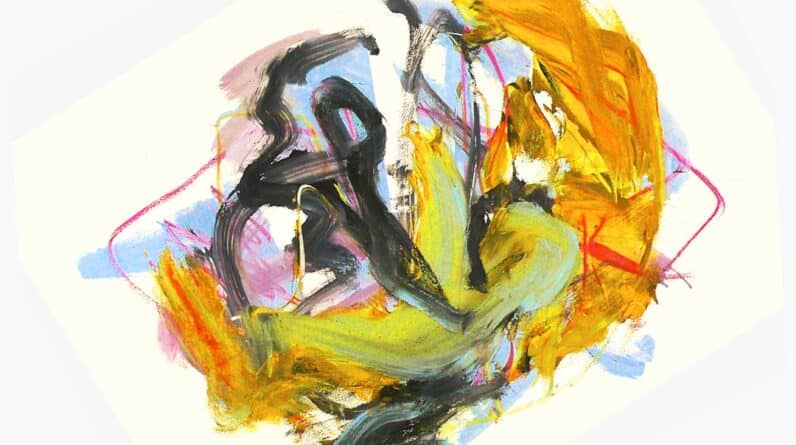
By leveraging algorithms that can analyze vast datasets, artists can generate unique pieces that reflect complex patterns and ideas. This partnership between human intuition and machine precision opens up new avenues for exploration, allowing you to witness the birth of artworks that blend technology with traditional techniques. The rise of AI in the art world is not just a trend; it represents a fundamental transformation in how art is conceived, produced, and appreciated.
Key Takeaways
- AI is revolutionizing the art world by enabling new forms of creativity and expression.
- AI is changing the way cultural products are produced and consumed, leading to new experiences for audiences.
- The intersection of AI and society raises important questions about the impact of technology on human creativity and expression.
- AI is influencing traditional art forms by introducing new tools and techniques for artists.
- The ethics and controversies surrounding AI in the arts are prompting discussions about the role of technology in creative processes.
AI’s Impact on Cultural Production and Consumption
The integration of AI into cultural production has profound implications for how you consume and engage with art. With algorithms capable of analyzing your preferences and behaviors, AI can curate personalized experiences that resonate with your tastes. Imagine walking into a gallery where the exhibits are tailored specifically for you, based on your previous interactions with art.
This level of customization enhances your experience, making art more accessible and relevant to your individual journey. As you navigate this new landscape, you may find yourself more connected to the works on display, fostering a deeper appreciation for the creative process. Moreover, AI’s influence extends beyond curation; it also shapes the very nature of cultural production itself.
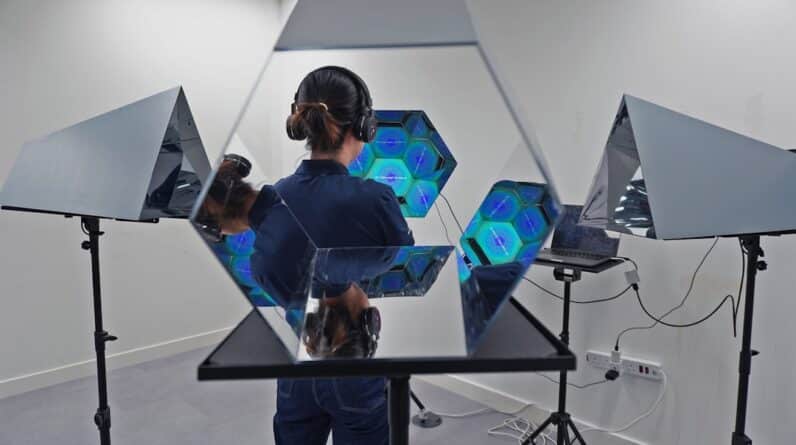
Artists are now able to collaborate with AI systems to create works that would have been unimaginable just a few years ago. You might encounter pieces that incorporate real-time data or interactive elements, inviting you to participate in the artistic process. This shift not only democratizes art-making but also challenges the traditional hierarchies that have long defined the art world.
As you engage with these innovative forms of expression, you may begin to question what it means to be an artist in an age where machines can contribute to the creative process.
The Intersection of AI and Society
As you explore the intersection of AI and society, it becomes clear that this technology is reshaping not only the art world but also broader cultural narratives. The way you interact with art reflects larger societal trends, including shifts in technology, communication, and identity. AI has the potential to amplify diverse voices and perspectives, allowing underrepresented artists to gain visibility in a crowded marketplace.
This democratization of access can lead to a richer cultural tapestry, where your experiences and those of others are woven together through shared artistic expressions. However, this intersection also raises critical questions about authenticity and authorship. As you engage with AI-generated works, you may find yourself pondering who truly owns a piece of art created in collaboration with a machine.
Is it the artist who programmed the algorithm, the machine itself, or perhaps even the audience who interacts with it? These questions challenge traditional notions of creativity and ownership, prompting you to reconsider your relationship with art and its creators. In this evolving landscape, understanding the societal implications of AI becomes essential as you navigate your own artistic preferences and values.
AI’s Influence on Traditional Art Forms
The influence of AI on traditional art forms is both profound and multifaceted. As you observe painters, sculptors, and musicians incorporating AI into their practices, you may notice a blending of styles that transcends conventional boundaries. For instance, painters are experimenting with generative algorithms that produce unique compositions based on their existing works or styles.
This fusion of human skill and machine learning creates a dialogue between tradition and innovation, inviting you to appreciate the nuances of both. In music, AI is revolutionizing composition by analyzing vast libraries of sound to generate new melodies and harmonies. As you listen to these AI-generated pieces, you might find yourself captivated by their complexity and originality.
This intersection of technology and traditional forms challenges your understanding of what constitutes “real” art. It encourages you to embrace a more expansive definition of creativity that includes both human and machine contributions. The result is a rich tapestry of artistic expression that reflects the evolving nature of culture itself.
The Ethics and Controversies of AI in the Arts
As you navigate the world of AI in the arts, ethical considerations inevitably come to the forefront. The use of AI raises questions about copyright infringement, originality, and the potential for exploitation. For instance, when an artist uses an AI tool trained on existing artworks, does it infringe upon the rights of those original creators?
You may find yourself grappling with these dilemmas as discussions around intellectual property become increasingly relevant in an age where machines can replicate styles and techniques. Moreover, there are concerns about bias in AI algorithms that can perpetuate stereotypes or exclude marginalized voices from the artistic narrative. As you engage with AI-generated content, it is crucial to remain aware of these biases and advocate for inclusivity in cultural production.
The controversies surrounding AI in the arts serve as a reminder that technology is not neutral; it reflects the values and assumptions of its creators. By critically examining these issues, you can contribute to a more equitable artistic landscape that values diverse perspectives and fosters meaningful dialogue.
AI’s Role in Redefining Creativity
Redefining Creativity through Human-Machine Collaboration
This shift in perspective invites us to explore new definitions of creativity that encompass collaboration between human intuition and machine learning. This redefinition challenges long-held beliefs about artistic genius and originality, and encourages us to view creativity as a collective endeavor rather than an individual pursuit.
Collaboration Across Disciplines
This new understanding of creativity invites collaboration across disciplines and encourages us to engage with art in new ways. Whether through co-creation with AI or participating in interactive installations that blur the lines between artist and audience, we are opening ourselves up to new possibilities and innovative experiences.
Unlimited Innovation
As we embrace this evolving understanding of creativity, we open ourselves up to a world where innovation knows no bounds. The possibilities are endless, and the future of art and creativity is full of exciting possibilities.
The Future of AI in Art, Culture, and Society
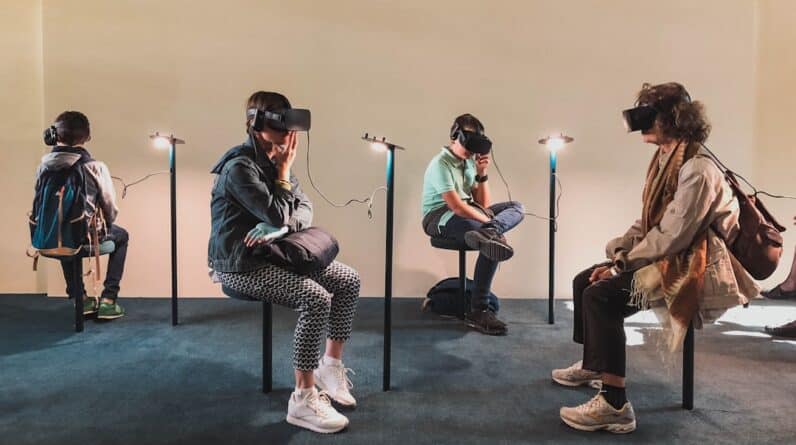
Looking ahead, the future of AI in art, culture, and society appears both promising and complex. As technology continues to advance at an unprecedented pace, you can expect even more innovative applications of AI in creative fields. From virtual reality experiences that immerse you in interactive narratives to augmented reality installations that transform public spaces into dynamic canvases, the possibilities are limitless.
This evolution will likely redefine how you experience culture, making it more immersive and participatory than ever before. However, this future also necessitates ongoing dialogue about the ethical implications of AI’s role in society. As you engage with these advancements, it is essential to advocate for responsible practices that prioritize inclusivity and diversity in cultural production.
By fostering conversations around equity and representation within the context of AI-generated art, you can contribute to shaping a future where technology enhances rather than diminishes human creativity. The journey ahead will require collaboration between artists, technologists, policymakers, and audiences like yourself to ensure that the benefits of AI are shared equitably across society.
Navigating the Challenges and Opportunities of the AI RenAIssance
As we stand on the brink of what some are calling an “AI RenAIssance,” navigating the challenges and opportunities presented by this technological revolution becomes paramount for you as an engaged participant in culture. Embracing this moment requires an open mind and a willingness to explore uncharted territories within artistic expression. You may find yourself inspired by the potential for collaboration between humans and machines—an opportunity to push boundaries and redefine what is possible within creative practices.
At the same time, it is crucial to remain vigilant about the ethical considerations surrounding AI’s integration into the arts. By advocating for transparency in algorithmic processes and supporting initiatives that promote diversity within cultural production, you can help shape a future where technology serves as a tool for empowerment rather than exclusion. As you navigate this evolving landscape, remember that your voice matters; your engagement with art—whether as an artist or an audience member—can influence how society embraces these changes.
In doing so, you become an active participant in shaping an inclusive artistic future that celebrates both human ingenuity and technological innovation.
In a related article on AI Lab 360, What is the Most Advanced AI Right Now?, the discussion delves into the cutting-edge technologies that are currently pushing the boundaries of artificial intelligence. This article complements the exploration of AI’s impact on art, culture, and society in The AI RenAIssance, highlighting the rapid advancements in AI that are reshaping various industries and sectors.
FAQs
What is the AI RenAIssance?
The AI RenAIssance refers to the current era in which artificial intelligence (AI) is reshaping art, culture, and society through its influence on various creative fields and industries.
How is AI impacting art and culture?
AI is impacting art and culture in various ways, including the creation of AI-generated art, the use of AI in art curation and preservation, and the integration of AI in cultural experiences such as virtual reality and augmented reality.
What are some examples of AI in art and culture?
Examples of AI in art and culture include AI-generated paintings and music, AI-powered recommendation systems for art and cultural experiences, and AI-driven virtual reality experiences that enhance cultural immersion.
How is AI reshaping society?
AI is reshaping society by influencing the way people create and consume art and culture, impacting industries such as entertainment and media, and raising ethical and societal questions about the role of AI in shaping human experiences.
What are the potential benefits of the AI RenAIssance?
The potential benefits of the AI RenAIssance include the democratization of art and culture, the enhancement of creative processes through AI tools, and the expansion of cultural experiences through AI-driven technologies.
What are the potential challenges of the AI RenAIssance?
The potential challenges of the AI RenAIssance include concerns about the impact of AI on traditional artistic practices, questions about the authenticity of AI-generated art, and ethical considerations regarding the use of AI in shaping cultural narratives.