Artificial Intelligence (AI) has emerged as one of the most transformative technologies of our time, reshaping the way we interact with the world around us. You may have noticed its presence in various aspects of daily life, from virtual assistants like Siri and Alexa to recommendation algorithms on streaming platforms. At its core, AI refers to the simulation of human intelligence processes by machines, particularly computer systems.
These processes include learning, reasoning, and self-correction, enabling machines to perform tasks that typically require human intelligence. As you delve deeper into the realm of AI, you will discover that it encompasses a wide range of technologies and methodologies. From natural language processing to computer vision, AI is not a monolithic entity but rather a collection of techniques that work together to create intelligent systems.
The rapid advancements in this field have sparked both excitement and concern, as society grapples with the implications of machines that can think and learn. Understanding AI is crucial for navigating the complexities of modern technology and its impact on your life.
Key Takeaways
- Artificial Intelligence (AI) is the simulation of human intelligence processes by machines, including learning, reasoning, and self-correction.
- Machine Learning and Deep Learning are two key areas of AI that have seen significant advancements, allowing machines to learn from data and make complex decisions.
- Ethical and legal considerations in AI development are crucial, as they involve issues such as privacy, bias, and accountability.
- AI is being integrated into various industries, including finance, healthcare, and transportation, to improve efficiency and decision-making processes.
- The impact of AI on the job market is significant, with automation and AI technologies leading to the displacement of certain jobs and the creation of new ones.
- AI plays a crucial role in healthcare and medicine, from diagnosing diseases to personalized treatment plans, improving patient outcomes.
- Potential risks and challenges of AI include job displacement, ethical concerns, and the potential for misuse of AI technologies.
- The future of AI holds many predictions and speculations, including the potential for AI to surpass human intelligence and the need for regulations to govern its development and use.
Advances in Machine Learning and Deep Learning
In recent years, machine learning and deep learning have taken center stage in the AI landscape. Machine learning, a subset of AI, involves algorithms that allow computers to learn from and make predictions based on data. You might be familiar with how platforms like Google and Facebook utilize machine learning to enhance user experiences by personalizing content.
This technology has evolved significantly, enabling systems to analyze vast amounts of data and identify patterns that would be impossible for humans to discern. Deep learning, a more advanced form of machine learning, mimics the neural networks of the human brain. It has revolutionized fields such as image recognition and natural language processing.
You may have encountered deep learning in action when using facial recognition features on your smartphone or when engaging with chatbots that understand and respond to your queries. The ability of deep learning models to process unstructured data has opened new avenues for innovation, allowing for breakthroughs in areas like autonomous vehicles and smart home devices.
Ethical and Legal Considerations in AI Development
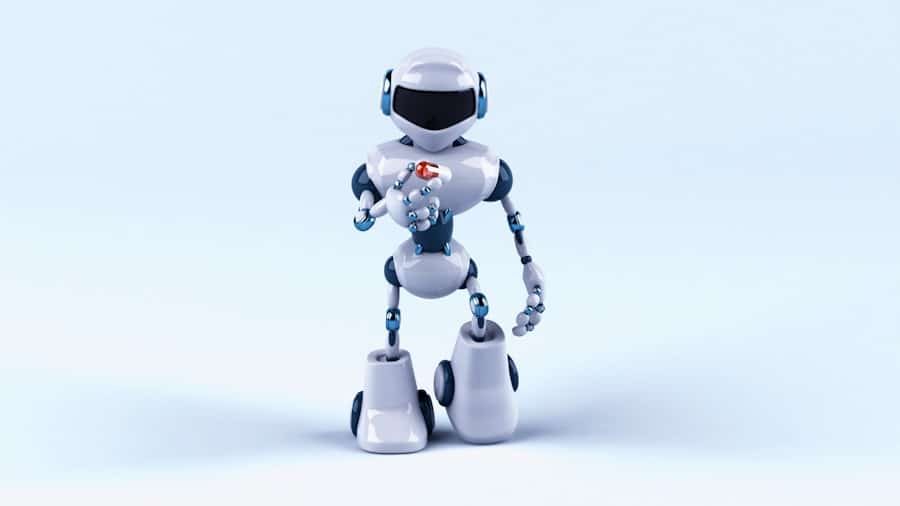
As you explore the advancements in AI, it becomes increasingly important to consider the ethical and legal implications that accompany these technologies. The rapid pace of AI development raises questions about accountability, transparency, and fairness. For instance, when an AI system makes a decision—be it in hiring practices or loan approvals—who is responsible for that decision?
You may find yourself pondering the potential biases embedded within algorithms that could perpetuate discrimination against certain groups. Moreover, the legal landscape surrounding AI is still evolving. As you navigate this complex terrain, you will encounter discussions about data privacy, intellectual property rights, and the need for regulations that ensure ethical AI use.
The challenge lies in balancing innovation with responsibility, ensuring that AI serves humanity rather than undermining it. Engaging in these conversations is essential for shaping a future where technology aligns with societal values.
Integration of AI in Various Industries
AI’s integration into various industries is transforming traditional practices and creating new opportunities for efficiency and innovation. In sectors such as finance, retail, and manufacturing, you may notice how AI-driven analytics are optimizing operations and enhancing customer experiences. For example, in retail, AI algorithms analyze consumer behavior to predict trends and personalize marketing strategies, ultimately driving sales and customer satisfaction.
In manufacturing, AI-powered robots are streamlining production processes, reducing costs, and minimizing human error. As you observe these changes, it becomes clear that AI is not merely a tool but a catalyst for industry-wide transformation. The potential for increased productivity and improved decision-making is immense, but it also requires a shift in how businesses operate and how you engage with these technologies.
Impact of AI on the Job Market
The rise of AI has sparked significant debate regarding its impact on the job market. On one hand, you may hear concerns about job displacement as machines take over tasks traditionally performed by humans. Automation has already begun to reshape industries, leading to fears that many jobs could become obsolete.
However, it’s essential to recognize that while some roles may vanish, new opportunities are also emerging. As AI continues to evolve, there will be a growing demand for skilled professionals who can develop, manage, and maintain these technologies. You might find yourself considering how your own career path could be influenced by AI advancements.
Upskilling and reskilling will become increasingly important as industries adapt to new technologies. Embracing lifelong learning will be key to staying relevant in a job market that is constantly changing due to AI integration.
The Role of AI in Healthcare and Medicine
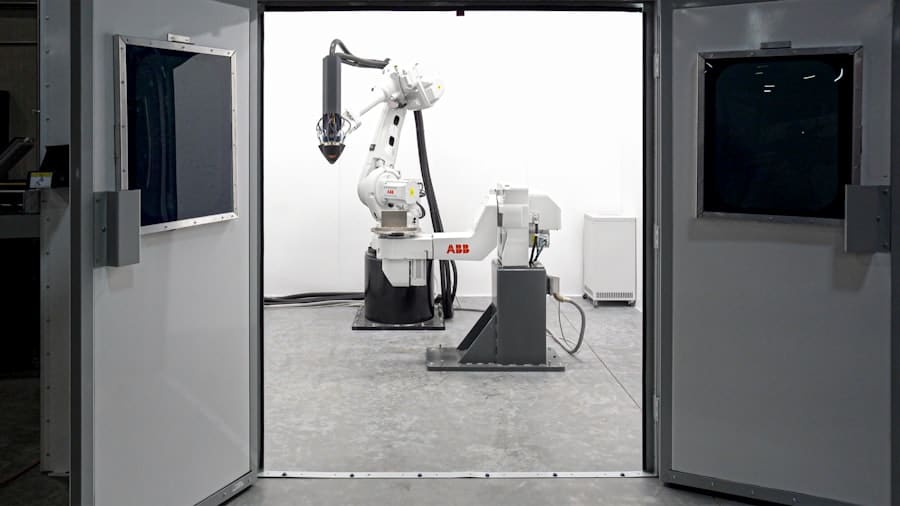
AI’s potential in healthcare is particularly promising, offering innovative solutions that can enhance patient care and streamline medical processes. You may have heard about AI applications in diagnostics, where algorithms analyze medical images to detect conditions like cancer at earlier stages than human radiologists might achieve alone. This capability not only improves patient outcomes but also alleviates some of the burdens on healthcare professionals.
Furthermore, AI is revolutionizing drug discovery by analyzing vast datasets to identify potential compounds more efficiently than traditional methods allow. As you consider the implications of these advancements, it’s clear that AI has the potential to transform healthcare delivery fundamentally. However, it also raises questions about data privacy and the ethical use of patient information—issues that must be addressed as technology continues to advance.
Potential Risks and Challenges of AI
Despite its many benefits, the rise of AI also brings potential risks and challenges that warrant careful consideration. One significant concern is the issue of security; as AI systems become more integrated into critical infrastructure, they may become targets for cyberattacks. You might find yourself reflecting on how vulnerable our society could be if malicious actors exploit weaknesses in these systems.
Additionally, there are concerns about the unintended consequences of deploying AI technologies without adequate oversight. For instance, autonomous vehicles may reduce traffic accidents but could also introduce new ethical dilemmas regarding decision-making in emergency situations. As you engage with these challenges, it becomes evident that a proactive approach is necessary to mitigate risks while harnessing the power of AI for good.
The Future of AI: Predictions and Speculations
Looking ahead, the future of AI holds both exciting possibilities and uncertainties. You may envision a world where intelligent systems seamlessly integrate into everyday life, enhancing convenience and efficiency across various domains. From smart cities equipped with AI-driven infrastructure to personalized education tailored to individual learning styles, the potential applications are vast.
However, as you contemplate these advancements, it’s essential to remain grounded in reality. The trajectory of AI development will depend on how society addresses ethical concerns, regulatory frameworks, and public perception. Engaging in discussions about the future of AI will be crucial for shaping a landscape where technology serves humanity’s best interests while fostering innovation and progress.
In conclusion, as you navigate the complexities of artificial intelligence, it becomes clear that this technology is not just a passing trend but a fundamental shift in how we live and work. By understanding its advancements, implications, and potential risks, you can better prepare yourself for a future where AI plays an increasingly prominent role in shaping our world. Embracing this journey with curiosity and caution will empower you to harness the benefits of AI while advocating for responsible development that aligns with ethical standards and societal values.
If you are interested in exploring how artificial intelligence is being used in various fields, you may want to check out the article AI in Space: How Machine Learning Guides Our Exploration of the Cosmos. This article delves into how AI is revolutionizing space exploration and helping us better understand the universe. It provides insights into the innovative ways in which machine learning is being utilized to push the boundaries of our knowledge of the cosmos.
FAQs
What is artificial intelligence (AI)?
Artificial intelligence (AI) refers to the simulation of human intelligence in machines that are programmed to think and act like humans. This includes tasks such as learning, problem-solving, and decision-making.
What are some current applications of AI?
AI is currently being used in various industries and applications, including virtual assistants (such as Siri and Alexa), recommendation systems (such as those used by streaming services and e-commerce platforms), autonomous vehicles, healthcare diagnostics, and financial fraud detection.
What can we expect from the future of AI?
The future of AI is expected to bring advancements in areas such as natural language processing, computer vision, robotics, and personalized medicine. AI is also expected to have a significant impact on industries such as transportation, manufacturing, and customer service.
What are some potential concerns about the future of AI?
Some potential concerns about the future of AI include job displacement due to automation, ethical considerations surrounding AI decision-making, and the potential for AI to be used for malicious purposes such as cyber attacks and misinformation campaigns.
How can AI be regulated to ensure ethical and responsible use?
Regulation of AI can be achieved through the development of ethical guidelines and standards, as well as the implementation of laws and policies that govern the use of AI technologies. Additionally, industry collaboration and public engagement can help ensure that AI is used in a responsible and ethical manner.