As you navigate the rapidly evolving landscape of technology, the emergence of artificial intelligence (AI) in autonomous vehicles stands out as a transformative force. The concept of self-driving cars has transitioned from science fiction to a tangible reality, capturing the imagination of engineers, policymakers, and the general public alike. At its core, AI serves as the brain behind these vehicles, enabling them to interpret their surroundings, make decisions, and navigate complex environments without human intervention.
This integration of AI not only promises to enhance road safety but also aims to revolutionize the way you think about transportation. The journey toward fully autonomous vehicles is marked by significant milestones and ongoing research. As you delve deeper into this topic, you will discover how AI technologies such as machine learning, computer vision, and sensor fusion work in concert to create vehicles that can operate independently.
The implications of this technology extend beyond mere convenience; they encompass broader societal changes, including reduced traffic congestion, lower emissions, and improved accessibility for individuals unable to drive. Understanding the role of AI in autonomous vehicles is essential for grasping the future of mobility and its potential impact on your daily life.
Key Takeaways
- AI plays a crucial role in the development of autonomous vehicles, enabling them to perceive and respond to their environment without human intervention.
- Current AI technology in autonomous vehicles includes machine learning, computer vision, and sensor fusion to navigate and make decisions on the road.
- Challenges and limitations of AI in autonomous vehicles include safety concerns, unpredictable human behavior, and ethical dilemmas in decision-making.
- Advancements in AI for autonomous vehicles are focused on improving perception, decision-making, and communication with other vehicles and infrastructure.
- Ethical and legal considerations for AI in autonomous vehicles involve issues of liability, privacy, and the impact on jobs and urban infrastructure.
Current State of AI Technology in Autonomous Vehicles
As you explore the current state of AI technology in autonomous vehicles, it becomes evident that significant progress has been made in recent years. Major automotive manufacturers and tech companies are investing heavily in research and development to refine their autonomous systems. These vehicles are equipped with an array of sensors, including cameras, radar, and LiDAR, which allow them to perceive their environment with remarkable accuracy.
The data collected from these sensors is processed using sophisticated algorithms that enable the vehicle to identify obstacles, recognize traffic signals, and predict the behavior of other road users. Despite these advancements, the technology is still in its infancy. While some vehicles can navigate specific environments—such as highways or urban areas—without human input, fully autonomous driving remains a challenge.
You may have heard about various levels of automation defined by the Society of Automotive Engineers (SAE), ranging from Level 0 (no automation) to Level 5 (full automation). Currently, most commercially available vehicles operate at Level 2 or Level 3, where human oversight is still required. This transitional phase highlights the ongoing need for innovation and refinement in AI systems to achieve true autonomy.
Challenges and Limitations of AI in Autonomous Vehicles

As you consider the challenges and limitations facing AI in autonomous vehicles, it becomes clear that the road to full autonomy is fraught with obstacles. One of the primary concerns is the reliability of AI systems in diverse driving conditions. Weather factors such as rain, snow, or fog can significantly impair sensor performance, leading to potential safety risks.
Additionally, unpredictable human behavior on the road poses a challenge for AI algorithms that must anticipate and react to sudden changes in traffic patterns. Another critical limitation lies in the ethical dilemmas that arise from decision-making algorithms. In scenarios where an accident is unavoidable, how should an autonomous vehicle prioritize the safety of its passengers versus pedestrians?
These moral quandaries complicate the development of AI systems and raise questions about accountability and liability in the event of an accident. As you reflect on these issues, it becomes evident that addressing these challenges is essential for gaining public trust and ensuring the safe deployment of autonomous vehicles.
Advancements in AI for Autonomous Vehicles
In recent years, advancements in AI technology have propelled the development of autonomous vehicles forward at an unprecedented pace. Machine learning techniques have become increasingly sophisticated, allowing vehicles to learn from vast amounts of data collected during real-world driving experiences. This continuous learning process enables AI systems to improve their performance over time, adapting to new scenarios and enhancing their decision-making capabilities.
Moreover, innovations in computer vision have significantly improved the ability of autonomous vehicles to interpret visual information. Advanced algorithms can now detect and classify objects with remarkable accuracy, enabling vehicles to navigate complex environments more effectively. You may also find it interesting that collaborative efforts among tech companies and automotive manufacturers are fostering a culture of innovation.
By sharing data and insights, these organizations are accelerating the development of safer and more reliable autonomous systems.
Ethical and Legal Considerations for AI in Autonomous Vehicles
As you delve into the ethical and legal considerations surrounding AI in autonomous vehicles, it becomes apparent that these issues are as complex as they are critical. The deployment of self-driving cars raises fundamental questions about responsibility and accountability. In the event of an accident involving an autonomous vehicle, who should be held liable—the manufacturer, the software developer, or the vehicle owner?
These questions necessitate a reevaluation of existing legal frameworks to accommodate this new technology. Furthermore, ethical dilemmas arise when considering how AI systems make decisions in life-and-death situations. The infamous “trolley problem” serves as a poignant example: if an autonomous vehicle must choose between harming its passengers or pedestrians, how should it be programmed to respond?
These moral considerations require input from ethicists, engineers, and policymakers alike to ensure that AI systems align with societal values and expectations. As you ponder these issues, it becomes clear that establishing ethical guidelines will be crucial for fostering public acceptance of autonomous vehicles.
Impact of AI on Transportation and Urban Planning
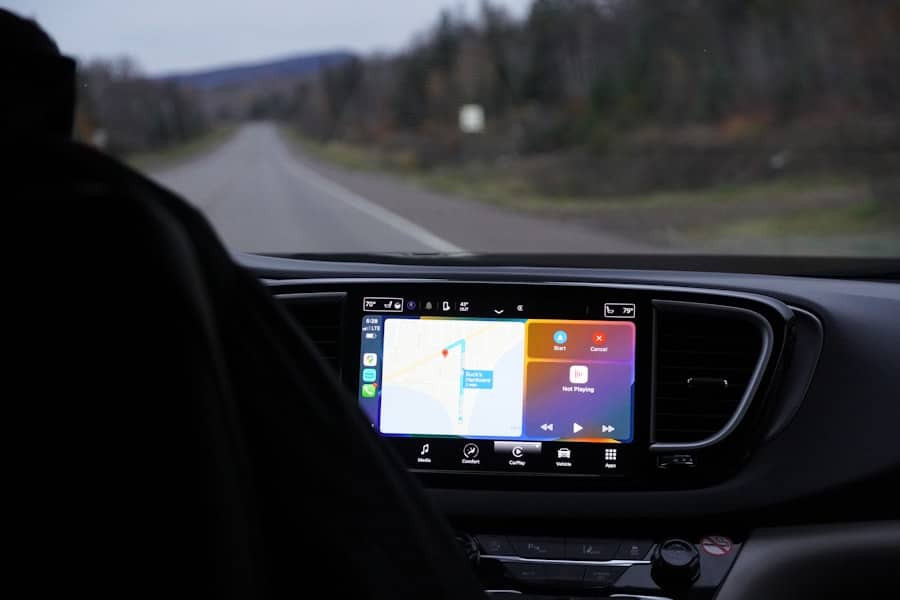
The integration of AI into autonomous vehicles has far-reaching implications for transportation systems and urban planning. As you envision a future where self-driving cars are commonplace, consider how this technology could reshape your daily commute. With reduced traffic congestion and optimized routing algorithms, travel times could decrease significantly.
Moreover, the potential for shared autonomous vehicle services could lead to a decline in personal car ownership, transforming urban landscapes as parking spaces become obsolete. Urban planners are already beginning to rethink infrastructure in light of these advancements. Smart city initiatives are emerging that leverage data from autonomous vehicles to improve traffic management and enhance public transportation systems.
As you explore these developments, you may find it fascinating how cities could evolve into more pedestrian-friendly environments with increased green spaces and reduced reliance on fossil fuels. The synergy between AI technology and urban planning holds the promise of creating more sustainable and efficient cities for future generations.
Future Trends and Predictions for AI in Autonomous Vehicles
Looking ahead, several trends are poised to shape the future of AI in autonomous vehicles. One significant trend is the increasing collaboration between automotive manufacturers and technology companies. As you observe this partnership dynamic, it becomes clear that pooling resources and expertise will accelerate innovation and drive advancements in AI capabilities.
This collaboration may also lead to standardized protocols for data sharing and safety regulations across the industry. Another trend worth noting is the growing emphasis on regulatory frameworks that support the safe deployment of autonomous vehicles. Governments around the world are beginning to establish guidelines that address safety standards, testing protocols, and liability issues associated with self-driving cars.
As you follow these developments, you may anticipate a future where regulatory bodies work closely with industry stakeholders to create a balanced approach that fosters innovation while ensuring public safety.
The Potential of AI in Shaping the Future of Autonomous Vehicles
In conclusion, as you reflect on the potential of AI in shaping the future of autonomous vehicles, it becomes evident that this technology holds immense promise for transforming transportation as we know it. From enhancing road safety to reducing environmental impact, the benefits of self-driving cars are manifold. However, realizing this potential requires addressing significant challenges related to ethics, legal frameworks, and public acceptance.
As you continue to engage with this topic, consider how your own perceptions of transportation may evolve alongside advancements in AI technology. The journey toward fully autonomous vehicles is ongoing, but with continued innovation and collaboration among stakeholders, a future where self-driving cars are an integral part of daily life is within reach. Embracing this change will not only redefine mobility but also pave the way for smarter cities and a more sustainable world.
AI in Autonomous Vehicles: The Road Ahead explores the advancements in artificial intelligence technology that are revolutionizing the automotive industry. For a related article on how AI is being used in humanitarian aid to assist with disaster relief efforts, check out AI in Humanitarian Aid: Using Technology to Assist Disaster Relief. This article highlights the ways in which AI is being leveraged to improve response times and efficiency in emergency situations.
FAQs
What is AI in autonomous vehicles?
AI in autonomous vehicles refers to the use of artificial intelligence technology to enable self-driving cars to perceive their environment, make decisions, and navigate without human intervention.
How does AI work in autonomous vehicles?
AI in autonomous vehicles uses a combination of sensors, cameras, radar, and lidar to collect data about the vehicle’s surroundings. This data is then processed by AI algorithms to make real-time decisions about driving, such as steering, accelerating, and braking.
What are the benefits of AI in autonomous vehicles?
The benefits of AI in autonomous vehicles include improved road safety, reduced traffic congestion, increased mobility for people with disabilities, and potential environmental benefits through more efficient driving.
What are the challenges of AI in autonomous vehicles?
Challenges of AI in autonomous vehicles include ensuring the safety and reliability of the technology, addressing ethical and legal considerations, and overcoming technical hurdles such as navigating complex urban environments and adverse weather conditions.
What is the future of AI in autonomous vehicles?
The future of AI in autonomous vehicles is expected to involve continued advancements in AI technology, increased adoption of self-driving cars by consumers and businesses, and ongoing research and development to address remaining technical and regulatory challenges.