In recent years, you may have noticed a remarkable transformation in the art world, one that has been significantly influenced by the rise of artificial intelligence (AI). This technological advancement has not only changed how art is created but has also altered the very definition of what art can be. From algorithms that generate stunning visual pieces to AI systems that compose music, the integration of AI into the creative process is becoming increasingly prevalent.
As you explore galleries and exhibitions, you might find yourself standing before a piece of art that was not crafted by human hands but rather birthed from lines of code and complex algorithms. The emergence of AI in the art world has sparked a wave of innovation, allowing artists to push boundaries and explore new mediums. You may have encountered AI-generated paintings that mimic the styles of renowned artists or even create entirely new aesthetics.
This technology has democratized art creation, enabling individuals without formal training to produce compelling works. As you delve deeper into this phenomenon, you might begin to appreciate how AI serves as both a tool and a collaborator, opening up a realm of possibilities that were previously unimaginable.
Key Takeaways
- AI is increasingly being used in the art world, from creating art to redefining traditional art forms.
- AI is redefining creativity by challenging traditional notions of what it means to be creative and pushing the boundaries of artistic expression.
- The debate over AI vs human creativity is ongoing, with some arguing that AI can never truly replicate human creativity, while others believe AI has the potential to surpass human capabilities.
- AI-generated art is being explored and celebrated, with artists and technologists collaborating to create new and innovative works.
- The impact of AI on traditional art forms is significant, with AI influencing everything from painting and sculpture to music and dance.
How AI is Redefining Creativity
As you consider the implications of AI in art, it becomes clear that this technology is redefining creativity itself. Traditionally, creativity has been viewed as an inherently human trait, characterized by emotion, intuition, and personal experience. However, with AI’s ability to analyze vast amounts of data and generate original content, the lines between human and machine creativity are becoming increasingly blurred.
You may find yourself questioning what it means to be creative in an age where machines can produce works that evoke emotion and provoke thought. AI’s role in creativity extends beyond mere replication; it can also inspire new ideas and concepts. For instance, when you engage with AI tools that suggest color palettes or composition styles, you may discover fresh perspectives that enhance your artistic vision.
This collaborative aspect of AI encourages you to think outside the box and experiment with unconventional approaches. As you navigate this evolving landscape, you might realize that AI is not just a replacement for human creativity but rather a catalyst that amplifies your own creative potential.
The Debate: AI vs Human Creativity
The rise of AI in the art world has ignited a passionate debate about the nature of creativity itself. On one side, proponents argue that AI-generated art lacks the emotional depth and personal touch that human artists bring to their work. They contend that true creativity is rooted in lived experiences, cultural context, and emotional resonance—qualities that machines cannot replicate.
As you engage with this perspective, you may find yourself reflecting on the unique stories and emotions that inform your own artistic endeavors. Conversely, advocates for AI-generated art assert that creativity can exist independently of its creator’s humanity. They argue that the ability of AI to analyze patterns and generate novel ideas can lead to groundbreaking artistic expressions.
You might resonate with this viewpoint as you witness how AI can challenge traditional notions of authorship and originality. The debate ultimately raises profound questions about the essence of creativity: Is it defined by the artist’s intent, or can it emerge from the algorithms and data that drive AI?
Exploring AI-Generated Art
As you delve into the world of AI-generated art, you’ll encounter a diverse array of styles and techniques that showcase the capabilities of this technology. From intricate digital paintings to mesmerizing animations, AI can produce works that captivate audiences and challenge conventional aesthetics. You may find yourself drawn to pieces created by neural networks trained on vast datasets, resulting in artworks that blend various influences into something entirely new.
One fascinating aspect of AI-generated art is its ability to adapt and evolve over time. As you explore these creations, you might notice how some algorithms learn from viewer interactions or feedback, allowing them to refine their output continuously. This dynamic nature adds an intriguing layer to the experience of engaging with AI art, as you become part of an ongoing dialogue between human perception and machine learning.
The more you immerse yourself in this realm, the more you’ll appreciate the innovative potential that AI brings to artistic expression.
The Impact of AI on Traditional Art Forms
The integration of AI into the art world is not merely a trend; it is reshaping traditional art forms in profound ways. As you observe this evolution, you may notice how established practices are being reimagined through the lens of technology. For instance, painters are beginning to incorporate AI tools into their creative processes, using algorithms to generate initial sketches or color schemes that inform their final works.
This fusion of traditional techniques with modern technology allows for a richer exploration of artistic possibilities. Moreover, AI’s influence extends beyond individual artists to entire movements within the art community. You might find exhibitions dedicated to showcasing AI-generated works alongside traditional pieces, prompting conversations about the relationship between past and present artistic practices.
This blending of styles encourages you to consider how technology can coexist with traditional methods rather than replace them. As you engage with these evolving forms of expression, you’ll likely come to appreciate the ways in which AI is revitalizing traditional art forms while simultaneously challenging their boundaries.
AI as a Tool for Collaboration and Inspiration
AI as a Collaborative Partner
In your journey through the intersection of art and technology, you’ll discover that AI serves not only as a creator but also as a powerful tool for collaboration and inspiration. Many artists are embracing AI as a partner in their creative processes, using it to generate ideas or explore new techniques.
Experimentation and Inspiration
This collaborative approach fosters an environment where experimentation thrives. As you experiment with AI tools in your own artistic practice, you might uncover unexpected results that push your creative boundaries. Whether it’s generating unique patterns or exploring unconventional color combinations, AI can serve as a source of inspiration that encourages you to take risks and explore uncharted territories in your work.
Evolving as an Artist
By embracing this partnership with technology, you may find yourself evolving as an artist in ways you never thought possible.
Ethical Considerations in AI-Generated Art
As you navigate the complexities of AI-generated art, it’s essential to consider the ethical implications surrounding its creation and distribution. One significant concern revolves around authorship and ownership—questions about who holds the rights to an artwork created by an algorithm can be murky at best. You may find yourself pondering whether credit should go solely to the programmer behind the AI or if the machine itself deserves recognition for its contributions.
Additionally, there are concerns about the potential for bias in AI-generated art. Since algorithms learn from existing datasets, they may inadvertently perpetuate stereotypes or exclude marginalized voices from their outputs. As you engage with this issue, you might feel compelled to advocate for more inclusive practices within the development of AI systems used in art creation.
By addressing these ethical considerations head-on, you can contribute to a more equitable landscape where both human and machine creativity can flourish without compromising integrity or representation.
The Future of AI in the Art World
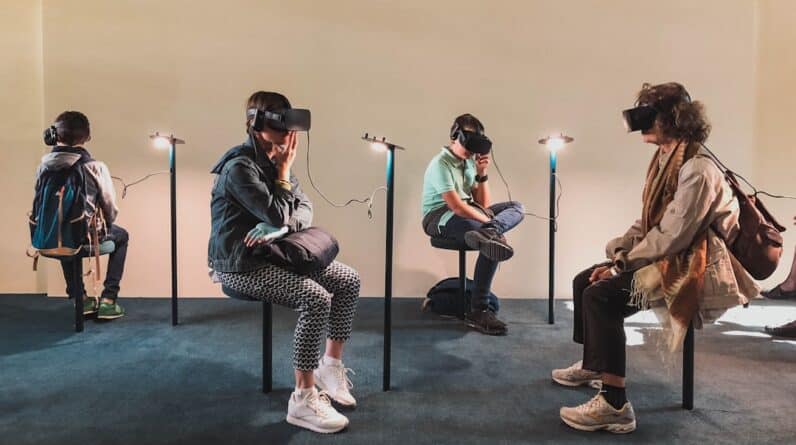
Looking ahead, the future of AI in the art world appears both exciting and uncertain. As technology continues to advance at a rapid pace, you can expect even more innovative applications of AI in artistic expression. From virtual reality experiences that immerse viewers in interactive environments to generative art installations that respond to audience engagement, the possibilities are limitless.
You may find yourself eagerly anticipating how these developments will shape your own experiences as both an artist and an audience member. Moreover, as discussions around ethics and authorship evolve, there is potential for new frameworks to emerge that address these challenges head-on. You might envision a future where collaboration between human artists and AI becomes commonplace, leading to a richer tapestry of artistic expression that reflects diverse perspectives and experiences.
As you contemplate this future landscape, you’ll likely feel inspired by the idea that both human creativity and technological innovation can coexist harmoniously, paving the way for a vibrant and inclusive art world where everyone has a voice. In conclusion, your exploration of AI’s impact on the art world reveals a dynamic interplay between technology and creativity. As you engage with these themes—whether through creating your own work or appreciating others—you’ll find yourself at the forefront of a transformative movement that challenges traditional notions of artistry while celebrating innovation and collaboration.
The journey ahead promises to be as fascinating as it is complex, inviting you to participate in shaping the future of art in an age defined by artificial intelligence.
AI’s Virtual Virtuoso: Creating Art That Challenges Human Creativity explores the intersection of artificial intelligence and artistic expression. This article delves into how AI is revolutionizing the art world by creating pieces that challenge traditional notions of creativity. For further reading on the impact of AI in various fields, check out AI and Language Translation: Breaking Down Language Barriers. This article discusses how AI is breaking down language barriers and revolutionizing communication through advanced translation technology.
FAQs
What is AI’s role in creating art?
AI, or artificial intelligence, is being used to create art that challenges human creativity. Through machine learning algorithms, AI can analyze and interpret data to generate unique and innovative artistic creations.
How does AI challenge human creativity in art?
AI challenges human creativity in art by pushing the boundaries of what is possible. It can generate art that is unexpected, unconventional, and thought-provoking, inspiring artists to explore new ideas and techniques.
What are some examples of AI-generated art?
Examples of AI-generated art include paintings, sculptures, music compositions, and even virtual reality experiences. These creations often blend elements of traditional art with cutting-edge technology, resulting in truly unique and captivating works.
What are the potential benefits of AI-generated art?
The potential benefits of AI-generated art include the exploration of new artistic styles and concepts, the democratization of art creation, and the ability to inspire and challenge human artists to think differently about their own creative processes.
What are the ethical considerations surrounding AI-generated art?
Ethical considerations surrounding AI-generated art include questions about authorship, ownership, and the potential for AI to replace human artists. There are also concerns about bias in AI algorithms and the impact of AI on the art market and industry.