As you step into the vibrant world of fashion, you may notice a remarkable transformation taking place, driven by the rapid advancements in artificial intelligence (AI). The integration of AI into the fashion industry is not merely a trend; it represents a fundamental shift in how designers create, brands market, and consumers shop. From predictive analytics that forecast trends to virtual fitting rooms that enhance the shopping experience, AI is reshaping every facet of the fashion landscape.
This technological evolution is not just about efficiency; it’s about reimagining creativity and personalizing experiences in ways that were previously unimaginable. The fashion industry has always been a blend of art and commerce, but with AI, this relationship is evolving. You might find it fascinating that AI can analyze vast amounts of data to identify emerging trends, allowing designers to stay ahead of the curve.
This capability not only streamlines the design process but also enhances the creative potential of fashion professionals. As you delve deeper into this topic, you will discover how AI is not just a tool for efficiency but a catalyst for innovation, pushing the boundaries of what is possible in fashion design and consumer engagement.
Key Takeaways
- AI is revolutionizing the fashion industry by enhancing design, personalizing customer experiences, optimizing supply chain management, and addressing ethical and sustainability concerns.
- AI is transforming the design process by analyzing trends, predicting consumer preferences, and generating innovative designs, leading to increased creativity and efficiency in fashion.
- AI is enabling personalized customer experiences through virtual stylists, personalized recommendations, and virtual try-on technologies, enhancing customer satisfaction and loyalty.
- AI is optimizing supply chain and inventory management in fashion by predicting demand, improving production efficiency, and reducing waste, leading to cost savings and sustainability benefits.
- Ethical and sustainability considerations in AI-driven fashion include concerns about data privacy, algorithm bias, and environmental impact, highlighting the need for responsible AI implementation and regulation in the industry.
AI’s Impact on Design and Creativity in Fashion
When you think about design in fashion, you might envision sketching, fabric selection, and runway shows. However, AI is revolutionizing this creative process by providing designers with powerful tools that enhance their artistic vision. For instance, AI algorithms can analyze historical data and current trends to suggest color palettes, fabric combinations, and even styles that resonate with consumers.
This data-driven approach allows designers to make informed decisions while still retaining their unique creative flair. Imagine being able to harness the power of AI to predict which styles will captivate audiences before they even hit the market. Moreover, AI is enabling a new form of collaboration between technology and creativity.
You may have heard of AI-generated designs that challenge traditional notions of artistry. These algorithms can create unique patterns and styles that human designers might not have conceived on their own. This fusion of human creativity and machine learning opens up exciting possibilities for innovation in fashion.
As you explore this intersection further, you will see how AI not only assists in the design process but also inspires new forms of expression, pushing the boundaries of what fashion can be.
The Role of AI in Personalized Customer Experience

As a consumer in today’s digital age, you likely expect a shopping experience tailored to your preferences and needs. AI plays a pivotal role in delivering this level of personalization in fashion retail. By analyzing your browsing history, purchase patterns, and even social media interactions, AI can curate recommendations that resonate with your individual style.
Imagine logging onto your favorite fashion website and being greeted with a selection of items that feel as if they were handpicked just for you. This level of personalization enhances your shopping experience and fosters a deeper connection between you and the brand. Furthermore, AI-driven chatbots and virtual assistants are transforming customer service in the fashion industry.
When you have questions about sizing or need assistance with an order, these intelligent systems can provide instant support, ensuring that your experience is seamless and enjoyable. You may find it intriguing that some brands are even using augmented reality (AR) powered by AI to allow you to virtually try on clothes before making a purchase. This innovative approach not only reduces the likelihood of returns but also empowers you to make more informed decisions about your wardrobe choices.
AI’s Influence on Supply Chain and Inventory Management in Fashion
In the fast-paced world of fashion, managing supply chains and inventory effectively is crucial for success. You may be surprised to learn how AI is streamlining these processes, making them more efficient and responsive to market demands. By utilizing predictive analytics, brands can forecast demand with greater accuracy, ensuring that they produce the right amount of inventory at the right time.
This capability minimizes waste and reduces the risk of overproduction—a significant issue in an industry often criticized for its environmental impact. Additionally, AI can optimize logistics by analyzing data related to shipping routes, delivery times, and supplier performance. As a result, brands can make informed decisions that enhance their operational efficiency.
Imagine a scenario where a fashion brand can quickly adapt its supply chain based on real-time data insights, allowing it to respond swiftly to changing consumer preferences or unexpected disruptions. This agility not only benefits the brand but also enhances your overall shopping experience by ensuring that products are available when you want them.
Ethical and Sustainability Considerations in AI-Driven Fashion
As you navigate the evolving landscape of AI in fashion, it’s essential to consider the ethical implications and sustainability challenges that accompany this technological advancement. The fashion industry has long been scrutinized for its environmental impact, from resource-intensive production processes to wasteful practices. However, AI has the potential to address some of these concerns by promoting more sustainable practices.
For instance, AI can help brands optimize their material usage, reducing waste during production and encouraging more responsible sourcing. Moreover, transparency is becoming increasingly important to consumers like you who are concerned about ethical practices in fashion. AI can facilitate greater transparency by tracking supply chains and providing insights into where materials are sourced and how products are made.
This level of accountability empowers you to make informed choices about the brands you support. As you explore these ethical considerations further, you will see how AI can be harnessed not only for profit but also for positive change within the industry.
Future Trends and Innovations in AI and Fashion

Looking ahead, the future of AI in fashion is brimming with exciting possibilities that could redefine your shopping experience and reshape the industry as a whole. One trend gaining traction is the use of generative design algorithms that create unique clothing items based on consumer preferences and trends. Imagine being able to customize a garment down to its very fabric and pattern using an intuitive interface powered by AI—this level of personalization could revolutionize how you approach fashion.
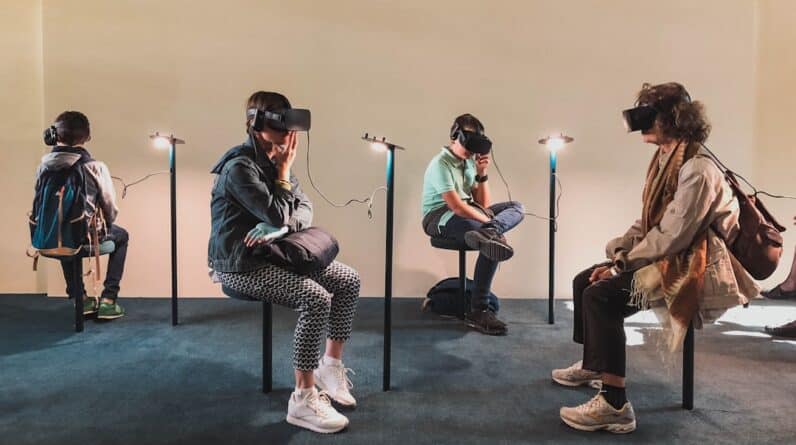
Additionally, advancements in virtual reality (VR) and augmented reality (AR) are set to enhance your shopping experience even further. Picture walking through a virtual store where you can interact with clothing items as if they were physically present. With AI-driven recommendations guiding your choices based on your style profile, this immersive experience could transform how you discover new brands and styles.
As these technologies continue to evolve, they will undoubtedly shape the future landscape of fashion in ways we are just beginning to imagine.
Challenges and Limitations of AI in Fashion
Despite the numerous benefits that AI brings to the fashion industry, there are also challenges and limitations that must be addressed as you consider its future impact. One significant concern is data privacy; as brands collect more information about your preferences and behaviors, ensuring that this data is handled responsibly becomes paramount. You may feel apprehensive about how your personal information is used or shared, highlighting the need for transparency and ethical practices within the industry.
Moreover, while AI can enhance creativity and efficiency, it cannot fully replace the human touch that defines fashion as an art form. The nuances of human emotion, cultural context, and artistic expression are difficult for machines to replicate entirely. As you reflect on this balance between technology and creativity, it becomes clear that while AI can augment the design process, it should complement rather than replace human ingenuity.
The Future of AI in Fashion
As you contemplate the future of AI in fashion, it’s evident that this technology holds immense potential to transform the industry in profound ways. From enhancing creativity in design to personalizing customer experiences and optimizing supply chains, AI is reshaping how we interact with fashion on multiple levels. However, as with any technological advancement, it’s crucial to navigate these changes thoughtfully—considering ethical implications and sustainability challenges along the way.
The journey ahead promises exciting innovations that could redefine your relationship with fashion while addressing pressing issues within the industry. As brands continue to embrace AI-driven solutions, you will likely witness a more personalized, efficient, and sustainable fashion landscape emerge—one that resonates with your values as a conscious consumer. Ultimately, the future of AI in fashion is not just about technology; it’s about creating meaningful connections between brands and consumers like you while fostering a more responsible approach to style and self-expression.
AI in Fashion: Redefining the Art of Design and Retail is a fascinating article that explores how artificial intelligence is revolutionizing the fashion industry. From predicting trends to personalizing shopping experiences, AI is reshaping the way we think about design and retail. For those interested in how AI is transforming other industries, the article AI and Agriculture: Transforming Farming and Crop Management provides insights into how AI is revolutionizing farming practices.
FAQs
What is AI in fashion?
AI in fashion refers to the use of artificial intelligence technology in various aspects of the fashion industry, including design, manufacturing, retail, and marketing. AI can be used to analyze trends, create designs, optimize supply chains, personalize customer experiences, and more.
How is AI redefining the art of design in fashion?
AI is redefining the art of design in fashion by enabling designers to generate new and innovative designs, predict trends, and optimize the design process. AI algorithms can analyze vast amounts of data to identify patterns and preferences, helping designers create more targeted and personalized designs.
How is AI redefining retail in the fashion industry?
AI is redefining retail in the fashion industry by enabling personalized shopping experiences, optimizing inventory management, and improving customer service. AI-powered tools can analyze customer data to provide personalized product recommendations, forecast demand, and streamline the supply chain, leading to more efficient and effective retail operations.
What are some examples of AI applications in the fashion industry?
Some examples of AI applications in the fashion industry include virtual fitting rooms, personalized styling recommendations, trend forecasting, supply chain optimization, and predictive analytics for inventory management. AI is also used in customer service chatbots, visual search tools, and social media analysis for marketing purposes.
What are the potential benefits of AI in fashion?
The potential benefits of AI in fashion include improved design creativity, enhanced customer experiences, increased operational efficiency, better inventory management, reduced waste, and more sustainable practices. AI can also help fashion companies better understand and respond to consumer preferences and market trends.