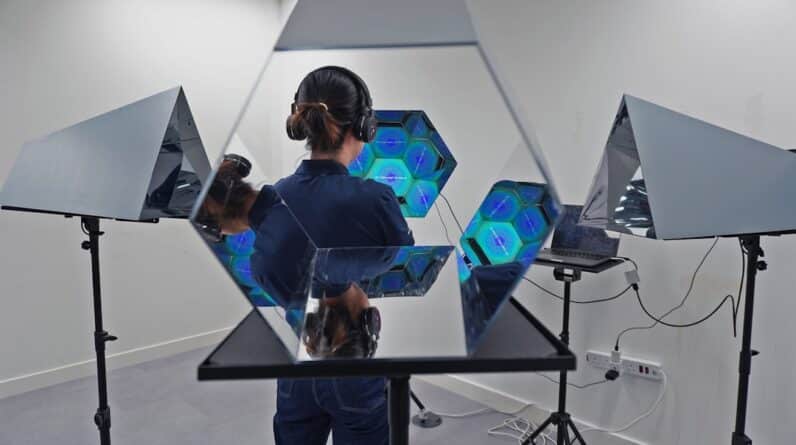
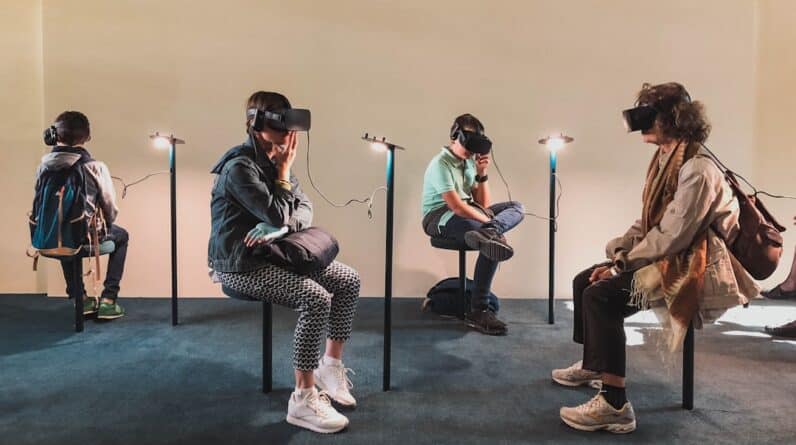
As you delve into the realm of architecture, you may find yourself captivated by the transformative power of artificial intelligence (AI). AI architecture represents a groundbreaking intersection of technology and design, where algorithms and machine learning techniques are employed to create structures that were once confined to the imagination. This innovative approach not only enhances the efficiency of the design process but also opens up new avenues for creativity and exploration.
By harnessing the capabilities of AI, architects can push the boundaries of what is possible, crafting spaces that are not only functional but also aesthetically striking. In this rapidly evolving field, you will discover that AI architecture is not merely about automating traditional design tasks. Instead, it embodies a paradigm shift in how you conceive and construct environments.
With AI’s ability to analyze vast datasets, simulate various scenarios, and generate unique design solutions, you can explore architectural possibilities that challenge conventional norms. As you navigate through this article, you will gain insights into the multifaceted role of AI in virtual world design, the challenges it faces, and its profound implications for real-world construction.
Key Takeaways
- AI architecture plays a crucial role in the design and construction of virtual worlds, offering innovative solutions and pushing the boundaries of what is possible.
- Designing impossible structures in virtual worlds presents unique challenges and limitations, requiring creative problem-solving and a deep understanding of AI capabilities.
- The impact of AI architecture on real-world construction is significant, with AI technology enabling more efficient and sustainable building practices.
- The future of AI architecture and virtual world design holds great potential for further advancements, as AI continues to evolve and expand its capabilities.
- Ethical considerations in AI architecture are essential, as the collaboration between AI architects and human designers raises important questions about responsibility and accountability in design decisions.
The Role of AI in Virtual World Design
When you think about virtual worlds, your mind may conjure images of expansive landscapes filled with fantastical structures and immersive environments. AI plays a pivotal role in shaping these digital realms, allowing designers to create intricate and dynamic spaces that respond to user interactions. By leveraging machine learning algorithms, you can generate complex architectural forms that adapt to various parameters, such as user preferences, environmental conditions, and even narrative elements.
This adaptability not only enhances user experience but also fosters a sense of agency within the virtual environment. Moreover, AI can assist in the procedural generation of landscapes and structures, enabling you to create vast worlds with minimal manual input. This capability allows for the rapid prototyping of ideas, where you can experiment with different design elements and configurations without the constraints of traditional architectural practices.
As you explore these virtual spaces, you may find that AI-generated designs often evoke emotions and provoke thought, challenging your perceptions of space and form. The synergy between AI and virtual world design thus empowers you to craft experiences that are both engaging and thought-provoking.
Challenges and Limitations of Designing Impossible Structures

While the potential of AI architecture is vast, it is essential to acknowledge the challenges and limitations that accompany this innovative approach. One significant hurdle lies in the inherent complexity of designing structures that defy the laws of physics or traditional architectural principles. As you venture into creating impossible structures—those that exist only in the realm of imagination—you may encounter difficulties in ensuring structural integrity and feasibility.
AI algorithms may generate visually stunning designs, but translating these concepts into tangible forms often requires a delicate balance between creativity and practicality. Additionally, the reliance on data-driven processes can lead to unintended consequences. If the datasets used to train AI models are biased or incomplete, the resulting designs may reflect those limitations.
As you engage with AI tools, it is crucial to remain vigilant about the quality and diversity of the data being utilized. Furthermore, the challenge of integrating human intuition and emotional intelligence into AI-generated designs cannot be overlooked. While AI excels at processing information and generating solutions based on patterns, it may struggle to capture the nuanced aspects of human experience that are vital in architecture.
The Impact of AI Architecture on Real-World Construction
As you consider the implications of AI architecture beyond virtual realms, it becomes evident that its influence extends into real-world construction practices. The integration of AI technologies into architectural workflows has the potential to revolutionize how buildings are designed, constructed, and maintained. For instance, AI can optimize building performance by analyzing energy consumption patterns and suggesting design modifications that enhance sustainability.
This capability aligns with the growing emphasis on environmentally conscious architecture, allowing you to create structures that minimize their ecological footprint. Moreover, AI-driven construction management tools can streamline project timelines and reduce costs by predicting potential delays and resource shortages. As you navigate through complex construction projects, these tools can provide valuable insights that enhance decision-making processes.
By automating routine tasks and facilitating collaboration among stakeholders, AI architecture fosters a more efficient construction environment. This shift not only benefits architects and builders but also contributes to improved outcomes for clients and communities alike.
The Future of AI Architecture and Virtual World Design
Looking ahead, the future of AI architecture promises to be both exciting and transformative. As technology continues to advance, you can expect even more sophisticated AI tools that enhance your creative capabilities. The integration of virtual reality (VR) and augmented reality (AR) with AI will enable you to visualize designs in immersive ways, allowing for real-time feedback and adjustments during the design process.
This convergence of technologies will empower you to create more engaging and interactive experiences within both virtual worlds and physical spaces. Furthermore, as AI becomes increasingly adept at understanding human preferences and behaviors, it may lead to more personalized architectural solutions. Imagine a future where buildings adapt dynamically to their occupants’ needs, optimizing comfort and functionality based on real-time data analysis.
This level of responsiveness could redefine how you interact with your environment, fostering a deeper connection between individuals and their spaces. As you embrace these advancements, it is essential to remain mindful of the ethical considerations surrounding AI architecture, ensuring that technology serves humanity’s best interests.
Ethical Considerations in AI Architecture

As you explore the intersection of AI and architecture, ethical considerations become paramount. The deployment of AI technologies raises questions about accountability, transparency, and bias in design processes. When relying on algorithms to generate architectural solutions, it is crucial to ensure that these systems are designed with fairness in mind.
You must be aware of potential biases embedded in training data that could lead to exclusionary or harmful outcomes in architectural design. Moreover, as AI takes on a more prominent role in decision-making processes, the question of human oversight becomes increasingly relevant. While AI can enhance efficiency and creativity, it is essential to maintain a balance between technological innovation and human intuition.
You should advocate for collaborative approaches that prioritize ethical considerations while harnessing the power of AI. By fostering an inclusive dialogue among architects, technologists, and communities, you can work towards creating designs that reflect diverse perspectives and values.
Case Studies of AI-Designed Virtual Structures
To illustrate the potential of AI architecture in virtual world design, consider examining notable case studies that showcase innovative applications of this technology. One such example is “The Infinite House,” a project where architects collaborated with AI algorithms to create an ever-evolving structure within a virtual environment. By utilizing generative design techniques, the team was able to produce a house that adapts its layout based on user interactions and environmental factors.
This project exemplifies how AI can facilitate dynamic living spaces that respond to individual needs. Another compelling case study is “The Digital Garden,” an immersive virtual landscape designed using AI-driven procedural generation techniques. In this project, designers employed algorithms to create a lush environment filled with unique flora and fauna that change based on user engagement.
The result is a vibrant ecosystem that invites exploration while demonstrating the potential for AI to enhance storytelling within virtual worlds. These case studies highlight how AI architecture can transcend traditional boundaries, offering new ways to experience space and interaction.
The Collaboration between AI Architects and Human Designers
As you navigate the evolving landscape of architecture influenced by AI technologies, it becomes clear that collaboration between AI architects and human designers is essential for success. While AI can generate innovative solutions and streamline processes, human intuition remains invaluable in shaping meaningful designs that resonate with people on an emotional level. By fostering a collaborative environment where both parties contribute their strengths, you can create architectural solutions that are not only functional but also deeply connected to human experiences.
In this partnership, human designers bring creativity, empathy, and cultural understanding to the table—qualities that are difficult for machines to replicate fully. Conversely, AI offers data-driven insights and computational power that can enhance decision-making processes. Together, you can explore uncharted territories in design while ensuring that ethical considerations remain at the forefront of your work.
This collaborative approach will ultimately lead to more innovative architectural solutions that reflect the complexities of human life within both virtual worlds and physical environments. In conclusion, as you immerse yourself in the world of AI architecture and virtual world design, you will uncover a rich tapestry of possibilities that challenge traditional notions of space and form. By embracing this technology while remaining mindful of its ethical implications, you can contribute to a future where architecture transcends boundaries—both real and imagined—creating environments that inspire connection and creativity for generations to come.
In a recent article on AI Lab 360, the importance of AI to humanity is discussed in depth. The AI Architect: Designing Impossible Structures in Virtual Worlds explores the innovative ways in which artificial intelligence is being utilized to create complex and intricate structures in virtual environments. This concept ties in with the broader discussion on the significance of AI in our daily lives and its potential to revolutionize various industries. To learn more about how AI is shaping our world, check out the article here.
FAQs
What is an AI architect?
An AI architect is a professional who uses artificial intelligence and machine learning algorithms to design and create complex and innovative structures in virtual worlds.
What are the responsibilities of an AI architect?
An AI architect is responsible for designing and developing virtual structures that push the boundaries of what is possible, using advanced AI and machine learning techniques to create unique and innovative designs.
What skills are required to become an AI architect?
To become an AI architect, one needs to have a strong background in artificial intelligence, machine learning, computer programming, and architecture. Additionally, skills in 3D modeling, virtual reality, and computational design are also beneficial.
What are the benefits of using AI in architecture?
Using AI in architecture allows for the creation of complex and innovative structures that may not be possible through traditional design methods. AI can also help architects analyze and optimize designs for efficiency and sustainability.
How does AI impact the future of architecture?
AI is expected to revolutionize the field of architecture by enabling architects to design and construct structures that were previously considered impossible. It also has the potential to streamline the design process and improve the efficiency and sustainability of buildings.