As you navigate the bustling streets of modern cities, you may not realize the extent to which artificial intelligence (AI) is reshaping urban design. Over the past decade, AI has emerged as a transformative force in various sectors, and urban planning is no exception. The integration of AI technologies into city design processes has revolutionized how planners and architects approach their work.
By harnessing vast amounts of data, AI enables professionals to analyze patterns, predict trends, and create more efficient and livable urban environments. The rise of AI in urban design is driven by the increasing complexity of urban challenges. As cities grow and evolve, they face issues such as traffic congestion, pollution, and inadequate housing.
Traditional methods of urban planning often struggle to keep pace with these challenges. However, AI offers innovative solutions by providing real-time data analysis and predictive modeling. This allows urban planners to make informed decisions that enhance the quality of life for residents while addressing pressing environmental concerns.
As you explore the future of urban design, it becomes clear that AI is not just a tool; it is a catalyst for change.
Key Takeaways
- AI is increasingly being used in urban design to optimize city planning and development.
- AI architects play a crucial role in shaping future cities by utilizing technology to create innovative and efficient designs.
- Sustainable and smart technologies are being incorporated into city planning with the help of AI to create more environmentally friendly and efficient urban spaces.
- AI is being used to design cities that are accessible and inclusive for all individuals, taking into account diverse needs and abilities.
- Balancing privacy and security is a key consideration in AI-driven urban design to ensure the protection of citizens’ data and safety.
The Role of the AI Architect in Shaping Future Cities
As you consider the future of urban landscapes, the role of the AI architect becomes increasingly significant. These professionals are not merely designers; they are visionaries who leverage AI technologies to create smart cities that respond to the needs of their inhabitants. By utilizing machine learning algorithms and data analytics, AI architects can optimize building designs, improve energy efficiency, and enhance overall functionality.
This innovative approach allows them to envision spaces that are not only aesthetically pleasing but also highly practical. AI architects are also tasked with addressing the unique challenges posed by rapid urbanization. As cities expand, the demand for housing, transportation, and public services grows exponentially.
By employing AI-driven simulations, architects can test various design scenarios and assess their impact on urban dynamics. This iterative process enables them to refine their designs based on real-world data, ensuring that future cities are equipped to handle the complexities of modern life. As you delve deeper into this field, you will discover how AI architects are redefining the boundaries of creativity and functionality in urban design.
Incorporating Sustainable and Smart Technologies in City Planning
In an era where climate change poses a significant threat to urban environments, incorporating sustainable technologies into city planning is more crucial than ever. As you explore this topic, you’ll find that AI plays a pivotal role in promoting sustainability within urban design. By analyzing environmental data, AI can identify areas where energy consumption can be reduced and resources can be optimized.
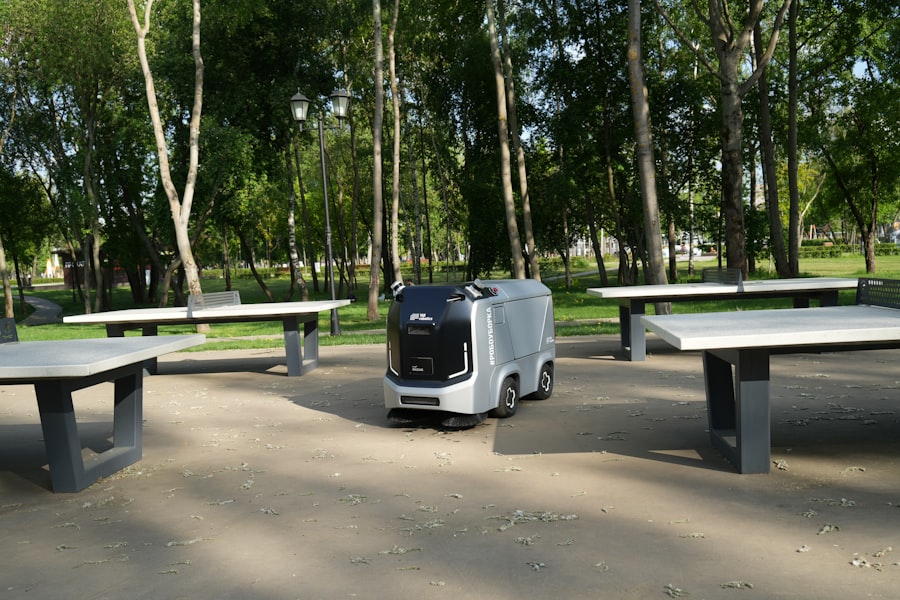
This not only helps mitigate the effects of climate change but also fosters a more sustainable way of living for city dwellers. Smart technologies, powered by AI, are also transforming how cities operate. From intelligent traffic management systems that reduce congestion to smart grids that optimize energy distribution, these innovations enhance the efficiency of urban infrastructure.
As you consider the implications of these technologies, it becomes evident that they are not just about convenience; they are essential for creating resilient cities that can adapt to future challenges. By integrating sustainable practices with smart technologies, urban planners can create environments that prioritize both ecological health and human well-being.
Designing for Accessibility and Inclusivity with AI
As you reflect on the importance of accessibility and inclusivity in urban design, it becomes clear that AI can play a transformative role in creating spaces that cater to diverse populations. Traditional urban planning often overlooks the needs of marginalized groups, leading to environments that are not conducive to everyone’s well-being. However, with the help of AI, planners can analyze demographic data and identify areas where accessibility improvements are needed most.
AI-driven tools can assist in designing public spaces that accommodate individuals with disabilities, ensuring that everyone has equal access to amenities and services. For instance, machine learning algorithms can analyze foot traffic patterns to determine optimal locations for ramps, elevators, and other accessibility features. As you consider the implications of these advancements, you will see how AI fosters a more inclusive approach to urban design—one that values diversity and prioritizes the needs of all community members.
Balancing Privacy and Security in AI-Driven Urban Design
As you delve into the realm of AI-driven urban design, it is essential to address the delicate balance between privacy and security. The integration of AI technologies often involves collecting vast amounts of data from citizens, raising concerns about surveillance and data misuse. As an informed citizen or professional in this field, you must advocate for transparent practices that prioritize individual privacy while still harnessing the benefits of AI.
Urban planners must implement robust data governance frameworks that ensure citizens’ information is handled responsibly. This includes establishing clear guidelines on data collection, storage, and usage while providing citizens with control over their personal information. As you explore this topic further, you will recognize that achieving a balance between privacy and security is not just a technical challenge; it is a moral imperative that shapes the trust between communities and their urban planners.
The Impact of AI on Transportation and Infrastructure Planning

Transportation is a critical component of urban design, and AI is revolutionizing how cities approach this aspect of planning. As you consider the future of transportation systems, you’ll find that AI technologies enable more efficient traffic management and public transit solutions. By analyzing real-time data from various sources—such as traffic cameras, GPS devices, and social media—AI can optimize traffic flow and reduce congestion.
Moreover, AI-driven predictive analytics can help city planners anticipate transportation needs based on population growth and changing commuting patterns. This foresight allows for proactive infrastructure development that meets the demands of a growing urban population. As you explore these advancements further, you’ll see how AI not only enhances transportation efficiency but also contributes to reducing carbon emissions and improving air quality—key factors in creating sustainable cities.
Ethical Considerations in AI-Driven Urban Design
As you engage with the ethical dimensions of AI-driven urban design, it becomes evident that this field is fraught with complex dilemmas. The deployment of AI technologies raises questions about bias in algorithms, equity in resource distribution, and the potential for unintended consequences. As an advocate for ethical practices in urban planning, you must be vigilant about ensuring that AI systems are designed with fairness and inclusivity in mind.
Addressing these ethical considerations requires collaboration among stakeholders—including urban planners, technologists, policymakers, and community members—to establish guidelines that prioritize social justice. By fostering an open dialogue about the implications of AI in urban design, you can contribute to creating frameworks that promote accountability and transparency. As you navigate this landscape, remember that ethical considerations are not merely an afterthought; they are integral to shaping cities that reflect our shared values.
Collaborating with Communities in AI-Driven City Planning
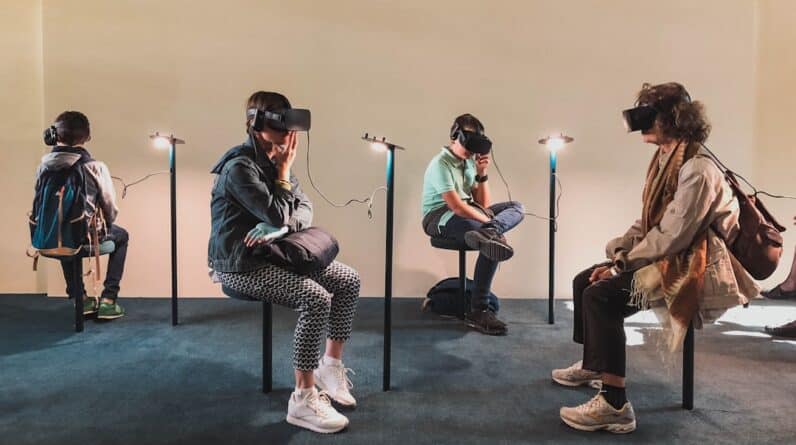
Finally, as you contemplate the future of urban design through an AI lens, collaboration with communities emerges as a vital component of successful city planning. Engaging residents in the decision-making process ensures that their voices are heard and their needs are met. By leveraging AI tools for community engagement—such as interactive platforms for feedback or virtual reality simulations—planners can foster meaningful dialogue with citizens.
This collaborative approach not only enhances trust between planners and communities but also leads to more effective solutions tailored to local contexts. As you explore case studies of successful community engagement initiatives powered by AI, you’ll discover how these efforts have resulted in vibrant public spaces and improved quality of life for residents. Ultimately, embracing collaboration in AI-driven city planning paves the way for inclusive environments where everyone has a stake in shaping their urban future.
In conclusion, as you reflect on the multifaceted role of AI in urban design, it becomes clear that this technology holds immense potential for transforming our cities into more sustainable, accessible, and inclusive spaces. By understanding its implications across various dimensions—from architecture to transportation—you can contribute to shaping a future where technology serves humanity’s best interests while fostering vibrant communities.
In a related article on AI Lab 360, the role of AI in education is explored in depth. The article discusses how personalized learning and classroom automation can revolutionize the way students learn and teachers instruct. To read more about this fascinating topic, visit AI in Education: Personalized Learning and Classroom Automation.
FAQs
What is an AI architect?
An AI architect is a professional who specializes in using artificial intelligence (AI) and machine learning to design and plan cities of the future. They use advanced technology to create innovative and sustainable urban environments.
What are the responsibilities of an AI architect?
An AI architect is responsible for integrating AI and machine learning technologies into urban planning and design. They analyze data to make informed decisions about infrastructure, transportation, energy usage, and environmental sustainability. They also collaborate with urban planners, engineers, and policymakers to create smart and efficient cities.
What skills are required to become an AI architect?
To become an AI architect, one needs a strong background in urban planning, architecture, and computer science. Proficiency in AI, machine learning, data analysis, and programming languages is essential. Additionally, strong communication and problem-solving skills are important for collaborating with diverse teams and addressing complex urban challenges.
What are the benefits of having AI architects design cities of the future?
Having AI architects design cities of the future can lead to more efficient and sustainable urban environments. By leveraging AI and machine learning, cities can optimize energy usage, improve transportation systems, enhance public safety, and reduce environmental impact. This can ultimately lead to better quality of life for residents and a more resilient and future-proof urban infrastructure.