Artificial Intelligence (AI) has emerged as one of the most transformative technologies of our time, reshaping industries and redefining the way you interact with the world. From virtual assistants like Siri and Alexa to sophisticated algorithms that power recommendation systems on platforms like Netflix and Amazon, AI is becoming increasingly integrated into your daily life. This technology, which enables machines to learn from data and perform tasks that typically require human intelligence, is not just a futuristic concept; it is a present-day reality that is evolving at an unprecedented pace.
As you delve deeper into the realm of AI, you may find yourself both fascinated and apprehensive. The potential for innovation is immense, yet the implications of AI’s rapid advancement raise important questions about its impact on society. Understanding AI’s capabilities, limitations, and ethical considerations is crucial as you navigate this complex landscape.
In this article, we will explore the benefits and challenges associated with AI, its influence on the job market, privacy concerns, regulatory frameworks, and its promising future in healthcare.
Key Takeaways
- AI refers to the simulation of human intelligence in machines that are programmed to think and act like humans.
- Potential benefits of AI include increased efficiency, improved decision-making, and the ability to handle repetitive tasks.
- Ethical concerns surrounding AI include issues of bias, privacy invasion, and the potential for misuse of AI technology.
- AI is expected to impact the job market by automating certain tasks and creating new job opportunities in AI development and maintenance.
- Privacy issues related to AI include concerns about data security, surveillance, and the potential for misuse of personal information.
- Regulation plays a crucial role in AI development to ensure ethical use and prevent potential harm to individuals and society.
- The future of AI in healthcare holds promise for improved diagnostics, personalized treatment, and enhanced patient care.
- Balancing excitement and concerns about AI is essential for harnessing its potential while addressing ethical and societal implications.
Potential Benefits of AI
The benefits of AI are vast and varied, offering solutions to some of the most pressing challenges faced by society today. One of the most significant advantages is the ability to process and analyze large volumes of data at incredible speeds. This capability allows businesses to make informed decisions based on real-time insights, enhancing efficiency and productivity.
For instance, in sectors like finance, AI algorithms can detect fraudulent transactions almost instantaneously, safeguarding your financial assets while minimizing losses for institutions. Moreover, AI has the potential to revolutionize customer service. Chatbots and virtual assistants can handle inquiries around the clock, providing immediate responses to your questions without the need for human intervention.
This not only improves user experience but also allows companies to allocate human resources to more complex tasks that require emotional intelligence and creativity. As you engage with these technologies, you may notice how they streamline processes and enhance your interactions with businesses.
Ethical Concerns Surrounding AI

While the benefits of AI are compelling, ethical concerns loom large over its development and deployment. One of the primary issues is the potential for bias in AI algorithms. Since these systems learn from historical data, they can inadvertently perpetuate existing prejudices if not carefully monitored.
For example, if an AI system is trained on biased data sets, it may produce skewed results that reinforce stereotypes or discriminate against certain groups. As you consider the implications of AI in decision-making processes—such as hiring or law enforcement—it becomes clear that ensuring fairness and transparency is paramount. Another ethical concern revolves around accountability.
When an AI system makes a mistake or causes harm, determining who is responsible can be challenging. Is it the developers who created the algorithm, the companies that deployed it, or the users who relied on its recommendations? This ambiguity raises questions about liability and trust in AI systems.
As you engage with these technologies, it’s essential to advocate for ethical standards that prioritize human welfare and ensure that AI serves as a tool for good rather than a source of harm.
Impact of AI on the Job Market
The impact of AI on the job market is a topic of considerable debate and concern. On one hand, automation driven by AI has the potential to displace certain jobs, particularly those involving repetitive tasks. As machines become more capable of performing these functions efficiently, you may witness a shift in employment patterns across various industries.
For instance, manufacturing jobs have already seen significant changes due to robotics and automation, leading to fears about job security for workers in these sectors. Conversely, AI also creates new opportunities for employment. As technology evolves, so too does the demand for skilled workers who can design, implement, and maintain AI systems.
Fields such as data science, machine learning engineering, and AI ethics are burgeoning as organizations seek professionals who can navigate this new landscape. As you consider your career path or professional development, embracing skills related to AI could position you favorably in a job market increasingly influenced by technological advancements.
AI and Privacy Issues
As AI continues to permeate various aspects of life, privacy concerns have become increasingly prominent. The ability of AI systems to collect and analyze vast amounts of personal data raises questions about consent and surveillance. You may find yourself wondering how much of your information is being gathered by companies using AI technologies and how it is being utilized.
The potential for misuse of this data—whether through unauthorized access or exploitation—poses significant risks to your privacy. Moreover, the use of AI in surveillance technologies has sparked debates about civil liberties. Facial recognition systems deployed in public spaces can track individuals without their knowledge or consent, leading to concerns about a surveillance state where personal freedoms are compromised.
As you navigate this digital landscape, it’s essential to advocate for robust privacy protections that ensure your rights are upheld while still allowing for innovation in AI.
The Role of Regulation in AI Development
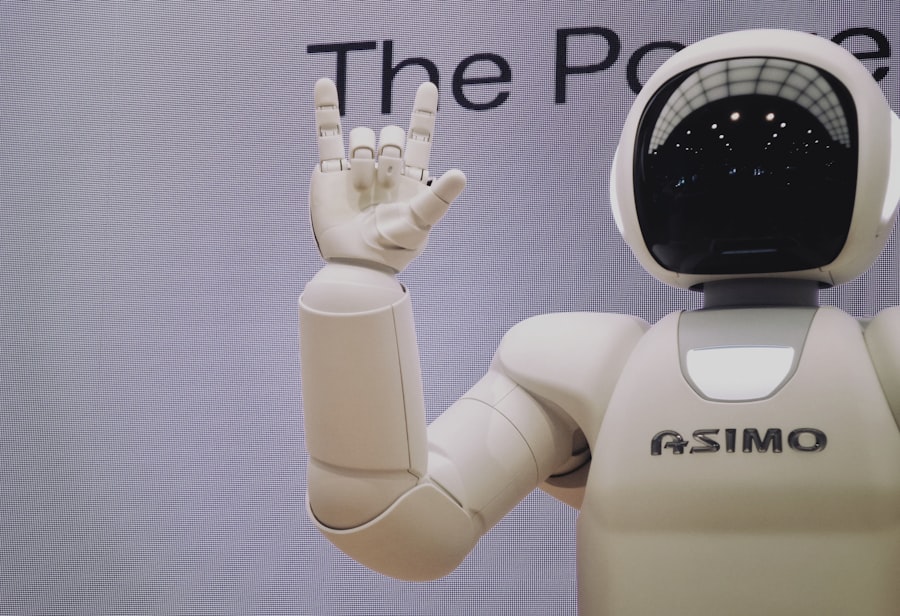
Regulation plays a crucial role in shaping the development and deployment of AI technologies. As you consider the rapid pace at which AI is evolving, it becomes evident that regulatory frameworks must keep up to ensure safety and ethical standards are maintained. Governments around the world are beginning to recognize the need for guidelines that address issues such as bias, accountability, and transparency in AI systems.
Effective regulation can help mitigate risks associated with AI while fostering innovation. By establishing clear standards for data usage, algorithmic accountability, and ethical considerations, regulators can create an environment where AI can thrive responsibly. As you engage with policymakers or participate in discussions about technology governance, your voice can contribute to shaping a future where AI benefits society as a whole while minimizing potential harms.
The Future of AI in Healthcare
The future of AI in healthcare holds immense promise for improving patient outcomes and streamlining medical processes. With its ability to analyze complex medical data quickly and accurately, AI can assist healthcare professionals in diagnosing diseases earlier and more effectively than ever before. Imagine a scenario where an AI system analyzes your medical history alongside vast databases of research to provide personalized treatment recommendations tailored specifically to your needs.
Additionally, AI-powered tools can enhance patient care by monitoring vital signs in real-time and alerting healthcare providers to any concerning changes. This proactive approach not only improves patient safety but also allows for more efficient use of resources within healthcare systems. As you consider the implications of these advancements, it’s clear that integrating AI into healthcare has the potential to revolutionize how you receive medical care while improving overall health outcomes.
Balancing Excitement and Concerns about AI
As you reflect on the multifaceted nature of artificial intelligence, it becomes evident that balancing excitement with caution is essential. The potential benefits of AI are vast—offering solutions that can enhance efficiency, improve decision-making, and transform industries like healthcare. However, these advancements come with significant ethical concerns regarding bias, accountability, privacy issues, and their impact on employment.
Navigating this complex landscape requires active engagement from individuals like you—advocating for ethical standards, supporting responsible regulation, and staying informed about technological developments. By fostering a dialogue around these issues and promoting awareness of both the opportunities and challenges presented by AI, you can contribute to shaping a future where technology serves humanity positively while addressing its inherent risks. Embracing this balance will be crucial as we move forward into an era defined by artificial intelligence.
In a related article on AI Lab 360, the discussion revolves around the use of artificial intelligence in sentiment analysis, specifically in understanding emotions in text and speech. This article delves into how AI technology can be utilized to analyze and interpret human emotions expressed through language. To learn more about this fascinating topic, check out the article here.
FAQs
What is AI?
AI, or artificial intelligence, refers to the simulation of human intelligence in machines that are programmed to think and act like humans. This includes tasks such as learning, problem-solving, and decision-making.
What are the potential benefits of AI?
AI has the potential to revolutionize industries such as healthcare, transportation, and finance by improving efficiency, accuracy, and productivity. It can also help in solving complex problems and advancing scientific research.
What are the potential risks of AI?
Some potential risks of AI include job displacement due to automation, ethical concerns related to privacy and security, and the potential for AI to be used for malicious purposes such as cyber attacks or surveillance.
Should we be worried about the future of AI?
While there are potential risks associated with AI, it is important to approach the development and deployment of AI technologies with caution and ethical considerations. It is also important to invest in regulations and policies to mitigate potential risks.
Should we be excited about the future of AI?
Yes, there are many exciting possibilities for AI to improve our lives and address complex challenges. AI has the potential to drive innovation, improve healthcare outcomes, and enhance overall quality of life.