As you delve into the realm of artificial intelligence, it becomes increasingly clear that its role in creativity is both profound and multifaceted. AI is not merely a tool for automation; it has evolved into a collaborator that can enhance and expand the creative process. By analyzing vast amounts of data, AI can identify patterns, generate ideas, and even produce original works of art, music, or literature.
This capability challenges traditional notions of creativity, prompting you to reconsider what it means to be an artist in an age where machines can mimic human creativity. Moreover, AI’s role in creativity extends beyond mere replication. It serves as a catalyst for innovation, pushing the boundaries of what is possible in various creative fields.
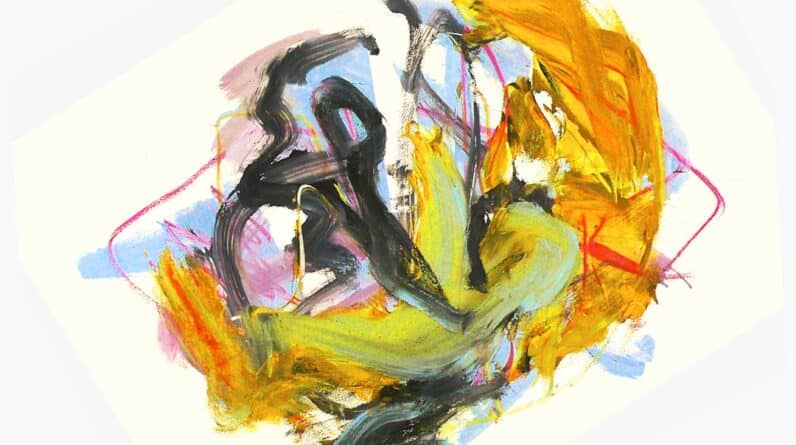
For instance, in music composition, AI algorithms can analyze existing works to create new melodies that resonate with listeners. In visual arts, AI can generate stunning images that blend styles and techniques from different eras. As you explore these developments, you may find yourself questioning the very essence of creativity: Is it the act of creation itself, or is it the emotional connection that art evokes in its audience?
Key Takeaways
- AI can enhance creativity by providing new tools and techniques for artists and creators.
- AI has evolved to become a valuable tool in creative industries, from music composition to graphic design.
- AI’s influence on artistic expression raises questions about the role of human creativity in the creative process.
- Exploring the boundaries of AI and creativity involves understanding the limitations and potential of AI in creative fields.
- The ethical implications of AI in creative processes require careful consideration and discussion to ensure responsible use of AI in creativity.
The Evolution of AI in Creative Industries
The Early Experiments
You might recall the early experiments with generative art, where algorithms produced abstract images based on mathematical principles. These initial forays laid the groundwork for more sophisticated AI systems capable of producing works that rival those created by human artists.
A New Era of AI-Generated Content
The introduction of machine learning and neural networks has revolutionized how AI processes information and generates content. For example, platforms like OpenAI’s GPT-3 have demonstrated an impressive ability to generate coherent and contextually relevant text, while tools like DALL-E can create intricate images from textual descriptions.
From Assistant to Partner
This evolution signifies a shift from AI as a mere assistant to a genuine partner in the creative process, allowing you to harness its capabilities to enhance your own artistic endeavors.
AI’s Influence on Artistic Expression
AI’s influence on artistic expression is profound and far-reaching. As you engage with AI-generated art or music, you may find yourself captivated by the unique perspectives and styles that emerge from these collaborations. Artists are increasingly using AI as a medium to explore new forms of expression, blending human intuition with machine-generated creativity.
This fusion not only expands the possibilities of artistic creation but also invites you to reflect on the nature of authorship and originality. In many ways, AI acts as a mirror reflecting contemporary culture and societal trends. By analyzing vast datasets, AI can capture the zeitgeist and produce works that resonate with current themes and issues.
For instance, AI-generated literature can address pressing social concerns or explore complex emotional landscapes in ways that challenge traditional narratives. As you witness this evolution, you may find yourself inspired to experiment with AI tools in your own creative practice, discovering new avenues for expression that you had not previously considered.
Exploring the Boundaries of AI and Creativity
As you navigate the intersection of AI and creativity, it becomes essential to explore the boundaries that define this relationship. While AI can generate impressive works, questions arise about the authenticity and emotional depth of these creations. Can a machine truly understand human experiences and emotions?
As you ponder this question, you may find yourself grappling with the limitations of AI in capturing the nuances of human creativity. Furthermore, the exploration of boundaries extends to the ethical implications of using AI in creative processes. As an artist or creator, you may feel a sense of responsibility to consider how your work interacts with AI-generated content.
Are you merely using AI as a tool, or are you allowing it to dictate your creative vision? This introspection can lead to a deeper understanding of your artistic identity and the role technology plays in shaping it.
The Ethical Implications of AI in Creative Processes
The ethical implications surrounding AI in creative processes are complex and multifaceted. As you engage with AI-generated content, it’s crucial to consider issues such as copyright, ownership, and attribution. When an AI creates a piece of art or music, who holds the rights to that work?
Is it the programmer who developed the algorithm, the user who inputted the parameters, or the machine itself? These questions challenge traditional notions of authorship and intellectual property, prompting you to reflect on your own practices as a creator. Moreover, there is a growing concern about the potential for AI to perpetuate biases present in its training data.
As you explore this aspect, you may recognize that AI systems can inadvertently reinforce stereotypes or exclude marginalized voices from the creative landscape. This realization underscores the importance of being mindful about how you incorporate AI into your work and advocating for diversity and inclusivity within the creative community.
AI as a Tool for Creative Inspiration
In your quest for inspiration, AI can serve as a powerful ally. By leveraging its capabilities, you can access a wealth of ideas and concepts that may spark your creativity in unexpected ways. For instance, using AI-driven platforms to generate prompts or suggestions can help you break through creative blocks and explore new directions in your work.
This collaborative approach allows you to harness technology as a source of inspiration rather than viewing it as a competitor. Additionally, AI can facilitate experimentation by enabling you to manipulate existing works or styles in novel ways. You might find yourself intrigued by how an algorithm can reinterpret a classic painting or remix a popular song into something entirely new.
This process not only broadens your artistic horizons but also encourages you to embrace risk-taking in your creative endeavors. By viewing AI as a tool for inspiration rather than a replacement for human creativity, you can cultivate a more dynamic and innovative artistic practice.
The Future of AI and Creativity
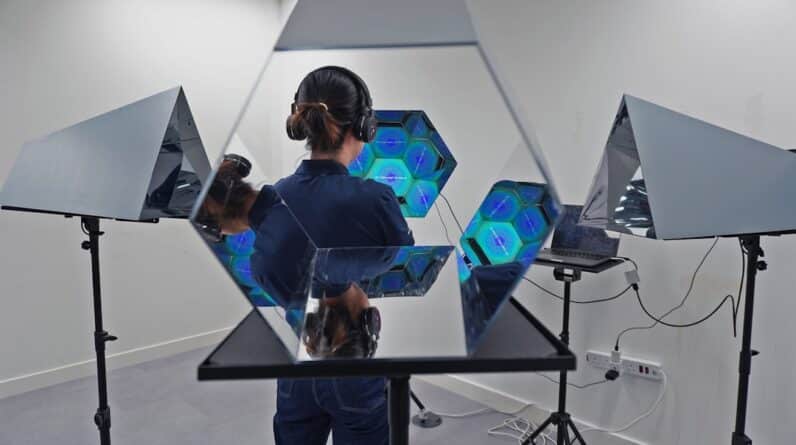
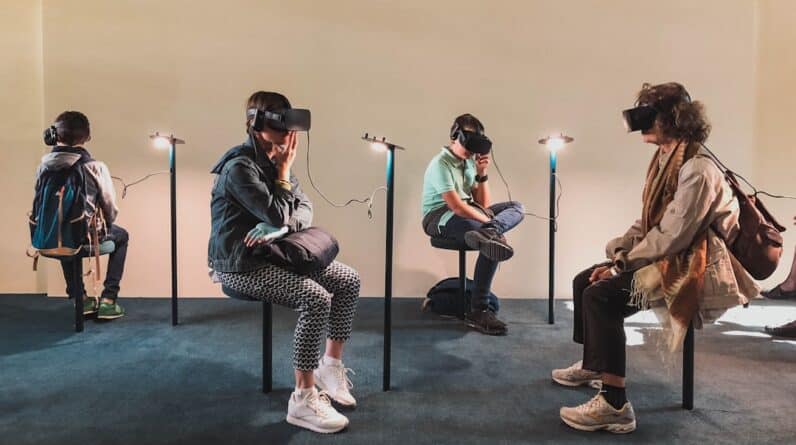
Looking ahead, the future of AI and creativity holds immense potential for transformation across various artistic domains. As technology continues to advance at an unprecedented pace, you may find yourself witnessing new forms of collaboration between humans and machines that redefine what it means to be creative. The integration of augmented reality (AR) and virtual reality (VR) with AI could lead to immersive experiences that blur the lines between creator and audience.
Moreover, as AI becomes more sophisticated in understanding human emotions and preferences, it may offer personalized creative experiences tailored to individual tastes. Imagine an AI that curates art exhibitions based on your unique interests or composes music specifically designed to evoke certain feelings during different moments in your life. This future vision invites you to consider how your relationship with creativity will evolve alongside technological advancements.
Nurturing Human Creativity in the Age of AI
In an era where AI plays an increasingly prominent role in creative processes, nurturing human creativity remains paramount. As you engage with these technologies, it’s essential to prioritize your unique voice and perspective as an artist. While AI can provide valuable insights and assistance, it should never overshadow the intrinsic qualities that make your work distinctly human—empathy, intuition, and emotional depth.
To foster your creativity amidst the rise of AI, consider embracing a mindset of curiosity and exploration. Experiment with different tools and techniques while remaining true to your artistic vision. Engage with fellow creators who share your passion for innovation and collaboration, fostering a community that values both human ingenuity and technological advancement.
By nurturing your creativity in this way, you can ensure that your artistic journey remains vibrant and meaningful in an age where machines are becoming increasingly involved in the creative landscape. In conclusion, as you navigate the evolving relationship between AI and creativity, remember that this journey is not just about technology; it’s about discovering new dimensions of artistic expression while honoring the essence of what it means to be human. Embrace the possibilities that lie ahead while remaining grounded in your unique creative identity—this balance will ultimately shape the future of art in an age defined by artificial intelligence.
In a related article discussing the latest advancements in natural language processing (NLP), GPT-3 and Beyond: The Latest in Natural Language Processing (NLP), researchers delve into how AI systems like GPT-3 are revolutionizing the way we interact with language. This technology not only has the potential to enhance communication and information retrieval but also to impact creativity by providing new tools and resources for writers, artists, and creators. By understanding where AI gets its information from and how it processes language, we can better appreciate its impact on unlocking the hidden muse within us.
FAQs
What is AI’s impact on creativity?
AI has the potential to impact creativity by providing tools and resources that can aid in the creative process, such as generating ideas, assisting in design and art creation, and helping to streamline workflows.
How can AI unlock the hidden muse?
AI can unlock the hidden muse by providing inspiration, generating new ideas, and offering new perspectives that can help creatives break through creative blocks and explore new possibilities.
What are some examples of AI impacting creativity?
Examples of AI impacting creativity include AI-powered design tools, music composition software, and writing assistants that can help creatives generate new ideas and improve their creative output.
What are the potential benefits of AI in creativity?
The potential benefits of AI in creativity include increased efficiency, access to new tools and resources, and the ability to explore new creative possibilities that may not have been possible without AI assistance.
Are there any concerns about AI’s impact on creativity?
Some concerns about AI’s impact on creativity include the potential for over-reliance on AI tools, the risk of homogenizing creative output, and ethical considerations related to the use of AI in creative processes.