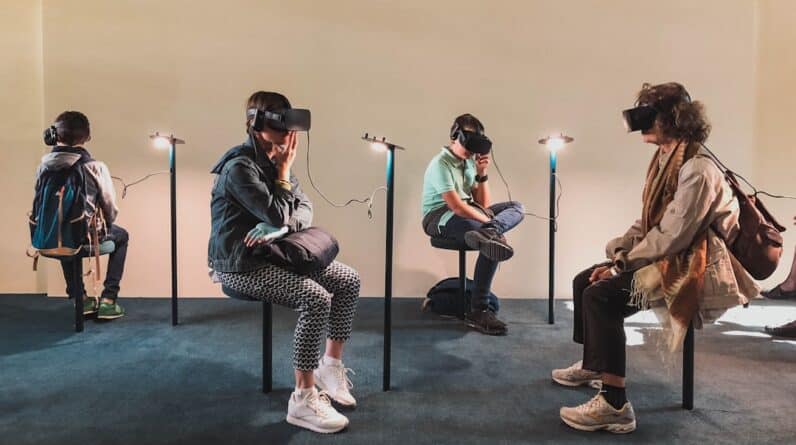
As you navigate through the complexities of modern life, the intersection of artificial intelligence (AI) and aging becomes increasingly relevant. The global population is aging at an unprecedented rate, with projections indicating that by 2050, the number of people aged 60 and older will surpass two billion. This demographic shift presents unique challenges, particularly in healthcare and social support systems.
AI, with its capacity for data analysis, predictive modeling, and automation, offers innovative solutions to enhance the quality of life for the elderly. Understanding how AI can be harnessed to address the needs of an aging population is essential for creating a future where seniors can thrive. The integration of AI into elder care is not merely a technological advancement; it represents a paradigm shift in how society approaches aging.
As you consider the implications of this shift, it becomes clear that AI has the potential to transform various aspects of elderly care, from health monitoring to social interaction. By leveraging AI technologies, caregivers and healthcare providers can offer more personalized and efficient services, ultimately improving the overall well-being of older adults. This article will explore the multifaceted role of AI in elderly care, highlighting its benefits, challenges, and ethical considerations.
Key Takeaways
- AI has the potential to revolutionize elderly care by providing innovative solutions to address the challenges of an aging population.
- AI can play a crucial role in health monitoring and management for the elderly, offering personalized and proactive care.
- AI-powered assistive devices can enhance the daily living experience of the elderly by providing support and assistance in various activities.
- AI can contribute to social interaction and mental health support for the elderly, addressing the issue of loneliness and isolation.
- Ethical considerations and challenges in implementing AI for elderly care need to be carefully addressed to ensure the well-being and autonomy of the elderly.
The Role of AI in Elderly Care
In your exploration of AI’s role in elderly care, you will find that it encompasses a wide range of applications designed to support both seniors and their caregivers. One of the most significant contributions of AI is its ability to analyze vast amounts of data quickly and accurately. This capability allows for better decision-making in healthcare settings, enabling providers to tailor interventions based on individual needs.
For instance, AI algorithms can analyze patient histories, medication regimens, and lifestyle factors to recommend personalized care plans that enhance health outcomes. Moreover, AI can streamline administrative tasks within healthcare systems, reducing the burden on caregivers and allowing them to focus more on direct patient care. By automating scheduling, billing, and documentation processes, AI frees up valuable time for healthcare professionals.
This efficiency not only improves the quality of care but also enhances job satisfaction among caregivers, who often face overwhelming workloads. As you delve deeper into this topic, you will see how AI’s role in elderly care extends beyond mere efficiency; it fosters a more compassionate and responsive healthcare environment.
AI-driven Solutions for Health Monitoring and Management

When it comes to health monitoring and management for the elderly, AI-driven solutions are revolutionizing traditional practices. Wearable devices equipped with AI technology can track vital signs such as heart rate, blood pressure, and oxygen levels in real-time. These devices not only provide valuable data to healthcare providers but also empower seniors to take an active role in managing their health.
Imagine wearing a smartwatch that alerts you to irregular heart rhythms or reminds you to take your medication—this is the reality that AI is creating. In addition to wearables, AI-powered applications are emerging that facilitate remote health monitoring. These applications can analyze data collected from various sources, including wearables and home sensors, to detect potential health issues before they escalate.
For instance, if your daily activity levels drop significantly, an AI system could alert your healthcare provider to investigate further. This proactive approach to health management not only enhances safety but also reduces hospitalizations and emergency interventions, ultimately leading to better health outcomes for older adults.
AI-powered Assistive Devices for Daily Living
As you consider the impact of AI on daily living for seniors, it’s essential to recognize the advancements in assistive devices that enhance independence and quality of life. Smart home technologies are at the forefront of this revolution, enabling older adults to live more comfortably and safely in their own homes. Voice-activated assistants can help seniors control their environment by adjusting lighting, temperature, and even appliances with simple commands.
This level of convenience allows you or your loved ones to maintain autonomy while minimizing the risk of accidents. Furthermore, AI-driven robotic devices are making significant strides in assisting with daily tasks. From robotic vacuum cleaners that help maintain a clean living space to companion robots designed to provide social interaction and emotional support, these innovations are transforming how seniors engage with their surroundings.
Imagine having a robot that not only reminds you to take your medication but also engages you in conversation or plays your favorite music—these are just a few examples of how AI is enhancing daily living for older adults.
AI in Social Interaction and Mental Health Support for the Elderly
Social interaction is a critical component of mental health, particularly for older adults who may experience isolation or loneliness. In this context, AI plays a vital role in facilitating connections and providing emotional support. Virtual companions powered by AI can engage seniors in conversation, offer reminders for social activities, or even play games to stimulate cognitive function.
These interactions can help combat feelings of loneliness and provide a sense of companionship that many seniors crave. Moreover, AI-driven mental health applications are emerging as valuable tools for addressing the psychological well-being of older adults. These applications can offer cognitive behavioral therapy techniques or mindfulness exercises tailored to individual needs.
By utilizing natural language processing capabilities, these programs can engage users in meaningful conversations about their feelings and experiences. As you explore this aspect of AI’s impact on aging, you’ll discover how technology can bridge the gap between isolation and connection, fostering a sense of community among seniors.
Ethical Considerations in the Use of AI for Elderly Care

While the benefits of AI in elderly care are substantial, ethical considerations must be at the forefront of any discussion surrounding its implementation. One primary concern is privacy; as AI systems collect vast amounts of personal data to function effectively, ensuring that this information is protected becomes paramount. You may wonder how your data is being used and who has access to it.
Establishing robust data protection measures is essential to maintain trust between seniors and healthcare providers. Another ethical consideration involves the potential for bias in AI algorithms. If these systems are trained on data that does not adequately represent diverse populations, they may inadvertently perpetuate inequalities in care delivery.
As you reflect on this issue, it’s crucial to advocate for inclusive practices in AI development that consider the unique needs of all seniors, regardless of their background or circumstances. Addressing these ethical challenges will be vital in ensuring that AI serves as a force for good in elderly care.
Challenges and Barriers in Implementing AI for the Elderly
Despite the promising potential of AI in elderly care, several challenges and barriers hinder its widespread adoption. One significant obstacle is the digital divide; many older adults may lack access to technology or feel intimidated by its use. As you consider this issue, think about how important it is to provide education and training opportunities for seniors to help them navigate new technologies confidently.
Additionally, there may be resistance from healthcare providers who are accustomed to traditional methods of care delivery. Integrating AI into existing systems requires not only technological investment but also a cultural shift within organizations. You might find it essential for stakeholders to collaborate on developing strategies that promote acceptance and understanding of AI’s role in enhancing care rather than replacing human interaction.
The Future of AI and Aging: Opportunities and Potential Impact
Looking ahead, the future of AI in aging presents exciting opportunities that could significantly impact society as a whole. As technology continues to evolve, we can expect even more sophisticated solutions tailored specifically for older adults. Imagine a world where predictive analytics can anticipate health crises before they occur or where virtual reality experiences can transport seniors to new environments without leaving their homes—these possibilities are within reach.
Moreover, as you contemplate the potential impact of AI on aging populations, consider how these advancements could reshape societal perceptions of aging itself. By empowering seniors with tools that enhance their independence and well-being, we can foster a culture that values aging as a stage of life filled with potential rather than decline. Embracing these opportunities will require collaboration among technologists, healthcare providers, policymakers, and communities to create an inclusive future where everyone can thrive as they age.
In conclusion, as you reflect on the intersection of AI and aging, it becomes evident that this technology holds immense promise for improving the lives of older adults. From health monitoring solutions to assistive devices and mental health support systems, AI has the potential to transform elderly care in profound ways. However, navigating ethical considerations and addressing implementation challenges will be crucial in realizing this vision.
By embracing innovation while prioritizing inclusivity and compassion, we can create a future where aging is celebrated as an opportunity for growth and connection.
There is a fascinating article on AI Lab 360 discussing how AI is enhancing the quality of life for the elderly. The article explores how AI technologies are being used to improve healthcare, social interaction, and overall well-being for older adults. It also touches on the importance of ethical considerations when implementing AI in elder care. For more information on AI tools and frameworks, check out this link.
FAQs
What is AI and Aging?
AI and Aging refers to the use of artificial intelligence (AI) technology to enhance the quality of life for elderly individuals. This can include the use of AI in healthcare, home assistance, social interaction, and other areas to support the needs of the aging population.
How can AI enhance the quality of life for the elderly?
AI can enhance the quality of life for the elderly by providing personalized healthcare solutions, monitoring and managing chronic conditions, offering assistance with daily tasks, providing social interaction and companionship, and improving overall safety and security.
What are some examples of AI applications for the elderly?
Examples of AI applications for the elderly include virtual health assistants, smart home devices for monitoring and assistance, robotic companions, fall detection systems, medication management tools, and cognitive training programs.
What are the benefits of using AI for aging populations?
The benefits of using AI for aging populations include improved access to healthcare, increased independence and autonomy, enhanced social connectedness, better management of chronic conditions, and overall improved quality of life.
Are there any challenges or concerns with using AI for the elderly?
Some challenges and concerns with using AI for the elderly include privacy and data security issues, potential for social isolation, ethical considerations related to decision-making algorithms, and the need for ensuring accessibility and usability for older adults.