As you delve into the world of ecology, you may find yourself captivated by the intricate relationships that define ecosystems. The advent of artificial intelligence (AI) has introduced a transformative element to this field, giving rise to the concept of the AI ecologist. This innovative approach combines the analytical power of AI with ecological science, enabling a deeper understanding of environmental dynamics.
By harnessing vast amounts of data, AI ecologists can identify patterns, predict changes, and propose solutions to pressing ecological challenges. This intersection of technology and nature not only enhances our comprehension of ecosystems but also empowers us to take meaningful action in preserving them. The role of an AI ecologist is multifaceted, encompassing data collection, analysis, and the development of predictive models.
You might envision these professionals as modern-day guardians of the environment, equipped with advanced tools that allow them to monitor ecosystems in real-time. As climate change, habitat destruction, and biodiversity loss threaten the delicate balance of nature, the need for innovative solutions becomes increasingly urgent. AI ecologists stand at the forefront of this movement, leveraging machine learning algorithms and big data analytics to inform conservation strategies and promote sustainable practices.
Key Takeaways
- AI Ecologist is a new field that combines artificial intelligence and ecology to improve ecosystem management and conservation efforts.
- Artificial intelligence plays a crucial role in ecosystem management by analyzing large amounts of data, identifying patterns, and making predictions to inform decision-making.
- Computational precision allows AI to monitor and analyze ecosystems in real-time, providing valuable insights for conservation and restoration efforts.
- Implementing AI solutions can enhance conservation and restoration efforts by optimizing resource allocation and identifying areas of concern more efficiently.
- Despite its potential, AI in ecosystem management faces challenges and limitations such as data bias, technical constraints, and ethical considerations that need to be addressed for effective implementation.
The Role of Artificial Intelligence in Ecosystem Management
Artificial intelligence plays a pivotal role in ecosystem management by providing tools that enhance decision-making processes. You may be surprised to learn that AI can analyze complex datasets far more efficiently than traditional methods. For instance, machine learning algorithms can sift through satellite imagery, weather patterns, and species distribution data to identify trends and anomalies.
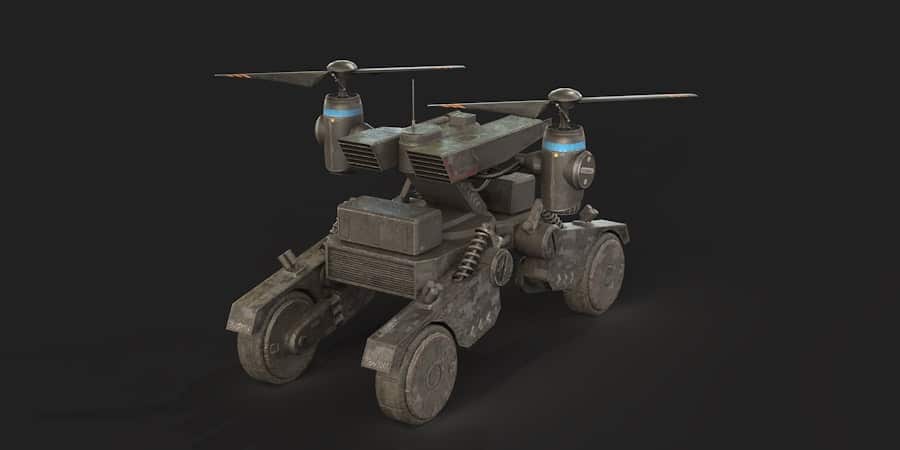
This capability allows ecologists to make informed predictions about how ecosystems will respond to various environmental pressures, such as climate change or human intervention. Moreover, AI can facilitate real-time monitoring of ecosystems, enabling you to track changes as they occur. With the help of drones and remote sensing technologies, AI systems can gather data on vegetation health, wildlife populations, and water quality.
This information is invaluable for managing natural resources and implementing conservation strategies. By automating data collection and analysis, AI reduces the time and effort required for ecological research, allowing scientists to focus on interpreting results and developing actionable plans.
Using Computational Precision to Monitor and Analyze Ecosystems

The precision offered by computational tools is revolutionizing how you monitor and analyze ecosystems. Traditional ecological studies often rely on manual data collection methods that can be time-consuming and prone to human error. In contrast, AI-driven approaches enable you to gather vast amounts of data quickly and accurately.
For example, using machine learning algorithms, researchers can analyze thousands of images captured by camera traps to identify species presence and behavior patterns without extensive manual labor. Furthermore, AI’s ability to process large datasets allows for more nuanced analyses of ecosystem interactions. You might find it fascinating that AI can model complex relationships between species, their habitats, and environmental factors.
By simulating various scenarios, AI ecologists can predict how changes in one aspect of an ecosystem may ripple through the entire system. This level of insight is crucial for developing effective management strategies that consider the interconnectedness of ecological components.
Implementing AI Solutions for Conservation and Restoration Efforts
Implementing AI solutions in conservation and restoration efforts is a game-changer for environmental protection. You may be aware that many ecosystems are under threat from human activities, making it imperative to develop targeted interventions. AI can assist in identifying priority areas for conservation by analyzing biodiversity hotspots and assessing the potential impact of various threats.
This strategic approach ensures that resources are allocated efficiently to maximize conservation outcomes. In addition to identifying areas for protection, AI can also aid in restoration efforts. For instance, machine learning algorithms can analyze historical data on vegetation cover and species composition to inform reforestation projects.
By understanding which species are most likely to thrive in a given area, you can increase the chances of successful restoration. Moreover, AI can help monitor the progress of restoration initiatives by providing real-time feedback on ecosystem recovery, allowing for adaptive management strategies that respond to changing conditions.
Challenges and Limitations of AI in Ecosystem Management
Despite its potential, the integration of AI into ecosystem management is not without challenges. One significant limitation is the quality and availability of data. You may find it concerning that many regions lack comprehensive datasets needed for effective AI modeling.
In some cases, historical data may be incomplete or biased, leading to inaccurate predictions. Addressing these data gaps is crucial for ensuring that AI-driven insights are reliable and applicable across diverse ecosystems. Another challenge lies in the complexity of ecological systems themselves.
Ecosystems are influenced by numerous variables, including climate, human activity, and species interactions. While AI excels at identifying patterns within data, it may struggle to account for the unpredictable nature of ecological dynamics fully. As an AI ecologist, you must remain aware of these limitations and approach findings with a critical eye, recognizing that while AI can enhance our understanding, it cannot replace the nuanced insights gained from traditional ecological research.
Ethical Considerations and the Human Element in AI Ecologist
As you explore the role of AI in ecology, it’s essential to consider the ethical implications of this technology. The use of AI raises questions about data privacy, particularly when monitoring wildlife populations or human activities in natural areas. You may wonder how data collected through AI systems will be used and who has access to it.
Ensuring transparency in data collection and analysis is vital for maintaining public trust and fostering collaboration between scientists, policymakers, and local communities. Moreover, while AI can provide valuable insights into ecological systems, it is crucial not to overlook the human element in conservation efforts. You might find it important to recognize that local knowledge and community engagement are essential components of successful ecosystem management.
AI should be viewed as a tool that complements traditional ecological practices rather than a replacement for human expertise. By integrating local perspectives with advanced technology, you can create more holistic approaches to conservation that respect both scientific rigor and cultural values.
Case Studies of Successful AI Ecologist Projects
Examining case studies of successful AI ecologist projects can provide valuable insights into the practical applications of this technology. One notable example is the use of AI in monitoring elephant populations in Africa. Researchers have employed machine learning algorithms to analyze audio recordings from remote locations, allowing them to detect elephant calls and track their movements without disturbing their natural behavior.
This innovative approach has led to more effective conservation strategies aimed at protecting these majestic animals from poaching and habitat loss. Another compelling case study involves the use of AI in managing fisheries. By analyzing historical catch data alongside environmental variables such as water temperature and salinity, researchers have developed predictive models that help fisheries managers make informed decisions about sustainable fishing practices.
This application not only supports the long-term viability of fish populations but also promotes economic stability for communities reliant on fishing as a primary source of income.
The Future of AI Ecologist: Opportunities and Potential Impact
Looking ahead, the future of AI ecologists holds immense promise for advancing our understanding of ecosystems and enhancing conservation efforts. As technology continues to evolve, you can expect even more sophisticated tools that integrate AI with other emerging technologies such as blockchain and Internet of Things (IoT) devices. These innovations will enable real-time monitoring and data sharing across various stakeholders, fostering collaboration in ecosystem management.
The potential impact of AI ecologists extends beyond individual projects; it has the power to reshape how we approach environmental challenges on a global scale. By harnessing the capabilities of AI, you can contribute to more effective policy-making that prioritizes sustainability and resilience in the face of climate change. As you engage with this evolving field, remember that your role as an informed citizen is crucial in advocating for responsible use of technology in ecology—ensuring that we protect our planet for future generations while embracing the opportunities presented by artificial intelligence.
In a recent article on AI Lab 360, the question of whether AI was created by humans is explored in depth. The article delves into the origins of artificial intelligence and the role that humans have played in its development. For those interested in the intersection of technology and ecology, this article provides valuable insights into the origins of AI and how it has come to be used in fields such as ecology and conservation. To read more about this fascinating topic, check out the article here.
FAQs
What is an AI ecologist?
An AI ecologist is a professional who uses artificial intelligence and computational techniques to study and manage ecosystems. They use advanced technology to collect and analyze data, and to make predictions and recommendations for ecosystem management.
What are the benefits of using AI in ecology?
Using AI in ecology allows for more precise and efficient data collection and analysis. It can help identify patterns and trends that may not be apparent to human researchers, and can provide insights for more effective ecosystem management and conservation efforts.
How does an AI ecologist balance ecosystems with computational precision?
An AI ecologist uses computational models and algorithms to simulate and predict the behavior of ecosystems. By analyzing large amounts of data, they can identify potential imbalances or threats to ecosystems, and develop strategies to address them in a more targeted and effective manner.
What are some examples of AI being used in ecology?
AI is being used in ecology for a variety of purposes, such as monitoring and tracking wildlife populations, analyzing habitat changes, predicting the impact of climate change on ecosystems, and developing strategies for invasive species management.
What are the challenges of using AI in ecology?
Challenges of using AI in ecology include the need for large and diverse datasets, potential biases in data collection and analysis, and the ethical considerations of using technology to make decisions about ecosystem management. Additionally, there may be limitations in the ability of AI to fully capture the complexity of natural ecosystems.