As you delve into the realm of technology, you may have encountered the term “quantum computing.” This cutting-edge field represents a significant leap from classical computing, which has dominated the landscape for decades. Quantum computing harnesses the principles of quantum mechanics to process information in ways that traditional computers cannot. By leveraging the unique properties of quantum bits, or qubits, this technology promises to revolutionize various sectors, including artificial intelligence (AI), cryptography, and complex problem-solving.
The allure of quantum computing lies in its potential to solve problems that are currently intractable for classical computers. Imagine being able to analyze vast datasets in mere seconds or simulating complex molecular interactions with unprecedented accuracy. As you explore this fascinating domain, you will uncover the intricate interplay between quantum mechanics and computational power, paving the way for innovations that could reshape industries and enhance our understanding of the universe.
Key Takeaways
- Quantum computing utilizes the principles of quantum mechanics to process information in a fundamentally different way than classical computing.
- Quantum bits, or qubits, are the basic units of quantum information and can exist in multiple states simultaneously, enabling parallel processing and potentially exponential computational power.
- Quantum computing has the potential to revolutionize artificial intelligence by significantly speeding up complex calculations and enabling more sophisticated machine learning algorithms.
- Current applications of quantum AI include optimization problems, drug discovery, and financial modeling, with ongoing developments in quantum algorithms and hardware.
- Challenges and limitations of quantum AI include the need for error correction, the high cost and complexity of quantum hardware, and the potential for quantum AI to outpace traditional security measures, posing ethical and security concerns.
Understanding Quantum Mechanics and Quantum Bits (Qubits)
To grasp the essence of quantum computing, it is essential to understand the foundational principles of quantum mechanics. At its core, quantum mechanics describes the behavior of matter and energy at the smallest scales—atoms and subatomic particles. Unlike classical physics, which operates under deterministic laws, quantum mechanics introduces concepts such as superposition and entanglement.
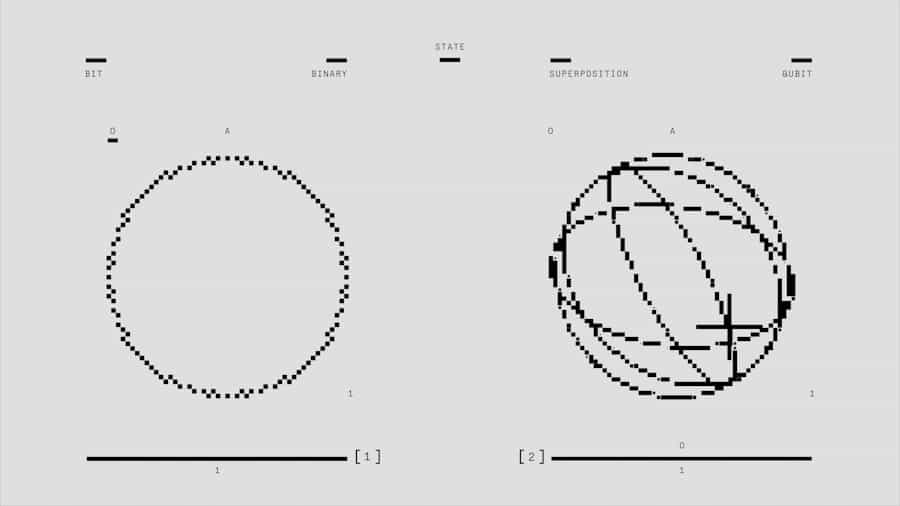
Superposition allows particles to exist in multiple states simultaneously, while entanglement creates a connection between particles that can influence each other regardless of distance. In the context of quantum computing, qubits serve as the fundamental units of information. Unlike classical bits, which can be either 0 or 1, qubits can exist in a state of 0, 1, or both at the same time due to superposition.
This property enables quantum computers to perform multiple calculations simultaneously, vastly increasing their processing power. As you explore further, you will discover how qubits can be manipulated through quantum gates to perform complex operations, leading to a new paradigm in computation.
The Potential of Quantum Computing in AI
The intersection of quantum computing and artificial intelligence presents a tantalizing opportunity for advancements in machine learning and data analysis. Traditional AI algorithms often struggle with large datasets and complex models, leading to limitations in their performance. However, quantum computing has the potential to enhance these algorithms by providing faster processing speeds and more efficient data handling capabilities.
Imagine training machine learning models that can analyze vast amounts of data in real-time, uncovering patterns and insights that were previously hidden. Quantum algorithms could enable AI systems to optimize their learning processes, leading to more accurate predictions and improved decision-making. As you consider the implications of this synergy, it becomes clear that quantum computing could unlock new frontiers in AI research and application, transforming industries such as healthcare, finance, and logistics.
Current Applications and Developments in Quantum AI
As you look at the current landscape of quantum AI, you will find a growing number of applications that showcase its potential. Companies and research institutions are actively exploring how quantum computing can enhance various aspects of AI. For instance, quantum algorithms are being developed to improve optimization problems, which are crucial in fields like supply chain management and resource allocation.
In addition to optimization, researchers are investigating how quantum computing can accelerate machine learning processes. Quantum-enhanced algorithms are being tested for tasks such as clustering and classification, where traditional methods may falter due to computational constraints. As you follow these developments, you will see that organizations like Google, IBM, and startups around the world are investing heavily in quantum AI research, signaling a commitment to harnessing this technology for practical applications.
Challenges and Limitations of Quantum AI
Despite its promise, the journey toward fully realizing quantum AI is fraught with challenges and limitations. One significant hurdle is the current state of quantum hardware. Building stable qubits that can maintain their quantum state long enough to perform calculations is a complex task.
Quantum decoherence—where qubits lose their quantum properties due to environmental interference—remains a critical issue that researchers are striving to overcome. Moreover, developing algorithms that can effectively leverage quantum computing’s unique capabilities is still an ongoing challenge. Many existing AI algorithms are designed for classical systems and may not translate seamlessly to a quantum environment.
As you consider these obstacles, it becomes evident that while the potential for quantum AI is immense, significant research and development efforts are required to address these technical limitations before widespread adoption can occur.
The Future of Quantum AI and its Impact on Society
Looking ahead, the future of quantum AI holds exciting possibilities that could profoundly impact society. As advancements continue in both quantum hardware and algorithms, we may witness breakthroughs that enhance our ability to solve complex global challenges. From climate modeling to drug discovery, the applications of quantum AI could lead to innovative solutions that improve quality of life and drive economic growth.
Furthermore, as you contemplate the societal implications of this technology, consider how it could reshape industries and create new job opportunities. The demand for skilled professionals who understand both quantum computing and AI will likely surge as organizations seek to harness these technologies for competitive advantage. This shift could lead to a redefinition of educational programs and workforce training initiatives aimed at preparing individuals for careers in this emerging field.
Ethical and Security Implications of Quantum AI
As with any transformative technology, the rise of quantum AI brings forth ethical and security considerations that must be addressed. One pressing concern is the potential for quantum computers to break existing encryption methods used to secure sensitive data. If powerful quantum algorithms become widely available, they could render current cryptographic systems obsolete, posing significant risks to personal privacy and national security.
Additionally, as AI systems become more sophisticated through quantum enhancements, ethical dilemmas surrounding decision-making processes may arise. Questions about accountability, bias in algorithms, and the potential for misuse will need careful consideration as society navigates this new landscape. As you reflect on these issues, it becomes clear that establishing robust ethical frameworks and security measures will be essential to ensure that the benefits of quantum AI are realized responsibly.
The Exciting Possibilities of Quantum AI
In conclusion, the convergence of quantum computing and artificial intelligence presents an exhilarating frontier filled with potential. As you explore this dynamic field, you will encounter groundbreaking advancements that could redefine our understanding of computation and intelligence. From enhancing machine learning capabilities to solving complex problems across various domains, quantum AI holds the promise of transforming industries and improving lives.
However, as you engage with these possibilities, it is crucial to remain mindful of the challenges and ethical considerations that accompany such powerful technologies. By fostering responsible research and development practices, society can harness the full potential of quantum AI while mitigating risks associated with its implementation. The journey ahead is undoubtedly complex but filled with opportunities for innovation and progress that could shape our future in remarkable ways.
AI’s Quantum Leap: The Next Frontier in Computing Power explores the exciting advancements in artificial intelligence and quantum computing. For a deeper dive into the world of AI, check out What Are 4 Types of AI? This article breaks down the different categories of AI, from reactive machines to self-aware systems, providing a comprehensive overview of the diverse capabilities of artificial intelligence.
FAQs
What is quantum computing?
Quantum computing is a type of computing that takes advantage of the strange ability of subatomic particles to exist in more than one state at any time. This allows quantum computers to process and store information in a way that is fundamentally different from classical computers.
How does quantum computing differ from classical computing?
Classical computers use bits to process and store information, which can exist in one of two states: 0 or 1. Quantum computers, on the other hand, use quantum bits or qubits, which can exist in multiple states simultaneously, allowing them to perform complex calculations much faster than classical computers.
What are the potential applications of quantum computing in AI?
Quantum computing has the potential to significantly enhance AI capabilities by enabling faster and more efficient processing of large amounts of data, which is crucial for tasks such as machine learning, natural language processing, and optimization problems.
What are the challenges in developing quantum computing for AI?
One of the main challenges in developing quantum computing for AI is the need to overcome technical hurdles such as maintaining the stability of qubits and reducing error rates. Additionally, there is a need for the development of quantum algorithms specifically designed for AI tasks.
What are some current developments in quantum computing for AI?
There are ongoing research and development efforts to explore the potential of quantum computing for AI, including the exploration of quantum algorithms for machine learning, quantum-inspired optimization techniques, and the use of quantum computing for solving complex AI problems.