In today’s world, technology continues to advance at an unprecedented rate, transforming the way we interact with our surroundings. One fascinating innovation that has emerged is the seamless blend of Augmented Reality (AR) and Artificial Intelligence (AI). This powerful combination offers a unique and captivating experience, bridging the gap between the physical and virtual worlds. By overlaying digital information onto our real-life environment, AR enhances our perception and understanding, while AI adds a layer of intelligence, enabling machines to analyze and interpret the world around us. Together, they open up a world of possibilities, revolutionizing industries and unlocking new ways for us to explore and engage with the world.
Defining Augmented Reality
What is augmented reality?
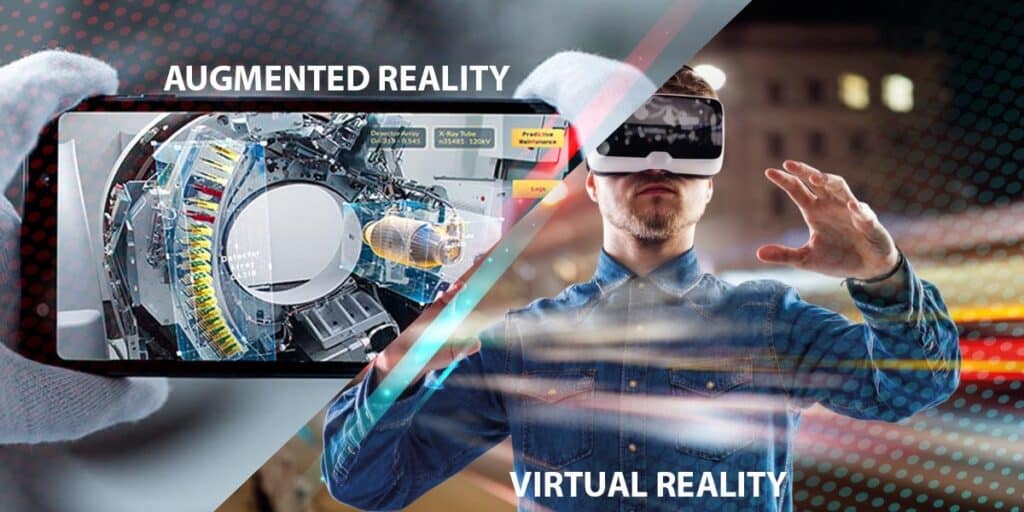
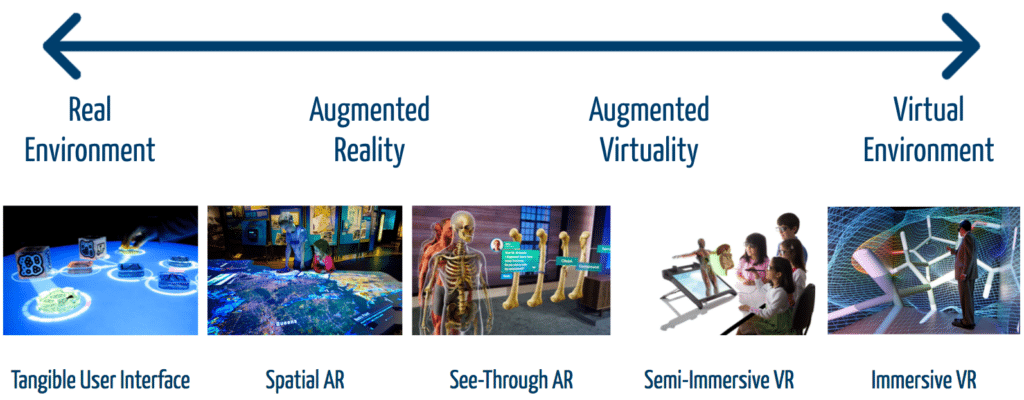
Augmented reality (AR) is a technology that combines the real world with virtual elements, enhancing the user’s perception of reality. It involves overlaying computer-generated images, sounds, and other sensory inputs onto the real world through devices such as smartphones, tablets, and smart glasses. Unlike virtual reality, which immerses the user in a completely virtual environment, AR allows users to interact with the real world while incorporating digital elements. This technology seamlessly blends physical and virtual worlds, creating new and exciting possibilities in various fields.
The evolution of augmented reality
Augmented reality has come a long way since its early days. The concept of overlaying computer-generated graphics onto the real world was first explored in the 1960s. However, it was not until the early 1990s that the term “augmented reality” was coined by Tom Caudell, a researcher at Boeing. Initially, AR was primarily used in military and aerospace industries for training and simulation purposes.
Advancements in technology, particularly in the field of mobile devices, led to the widespread adoption of AR. The release of smartphones and tablets with integrated cameras and powerful processing capabilities provided a means for AR to reach a wider audience. This enabled the development of applications such as AR games and interactive experiences, making AR more accessible and mainstream.
Applications of augmented reality
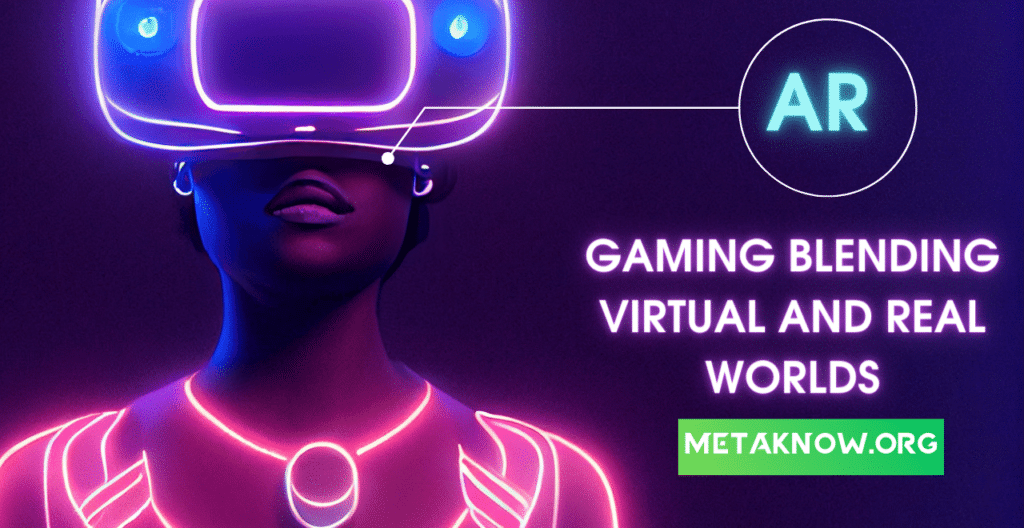
Augmented reality has found applications in diverse fields, revolutionizing industries and enhancing user experiences. In the gaming industry, AR has paved the way for interactive and immersive experiences, blending virtual characters and objects with the real world. It has also been used for educational purposes, allowing students to visualize complex concepts and engage in interactive learning.
AR has made its mark in the retail sector as well. Virtual try-on experiences enable customers to virtually try on clothing, eyewear, and cosmetics, improving the shopping experience and reducing the need for physical trials. In architecture and design, AR allows professionals to superimpose digital models onto physical spaces, helping clients visualize the end result before construction begins.
These are just a few examples of how augmented reality is transforming industries and enhancing the way we interact with the world around us. As technology continues to advance, the possibilities for AR applications are limitless.
Understanding Artificial Intelligence
An introduction to artificial intelligence
Artificial intelligence (AI) refers to the ability of machines to mimic human intelligence and perform tasks that typically require human intelligence, such as visual perception, speech recognition, and decision-making. AI uses algorithms and computational models to analyze data, learn from patterns, and make predictions or take actions based on this analysis.
AI is a broad field that encompasses various subfields, including machine learning, natural language processing, and computer vision. Machine learning, in particular, plays a crucial role in AI by training algorithms to learn from large datasets and make accurate predictions or decisions.
Types of artificial intelligence
There are two main types of AI:
-
Narrow AI: Also known as weak AI, narrow AI focuses on specific tasks and is designed to perform a limited range of functions. Examples of narrow AI include voice assistants like Siri and Alexa, which can understand and respond to specific commands, and image recognition systems used in facial recognition technology.
-
General AI: General AI, also known as strong AI, refers to an AI system that possesses human-level intelligence and can perform any intellectual task that a human can do. This type of AI does not yet exist and remains a subject of ongoing research and development.
In addition to these categories, there is also the concept of artificial superintelligence, which refers to an AI system that surpasses human intelligence in every aspect.
AI’s impact on various industries
Artificial intelligence has the potential to revolutionize numerous industries by automating tasks, improving decision-making processes, and driving innovation. In healthcare, AI-powered systems can aid in diagnosing diseases, identifying patterns in patient data for personalized treatment plans, and assisting in surgeries. AI algorithms can analyze medical images and identify abnormalities with a higher level of accuracy than humans.
In the financial sector, AI algorithms are used for fraud detection, risk assessment, and trading. These algorithms can analyze vast amounts of financial data to identify patterns and anomalies, helping financial institutions make informed decisions.
AI also plays a crucial role in the transportation industry, particularly in the development of autonomous vehicles. Self-driving cars rely on AI algorithms to perceive the environment, make decisions, and navigate safely.
These are just a few examples of how AI is already making a significant impact on various industries. As AI technology continues to advance, its potential to transform industries and improve efficiency is practically limitless.
The Integration of Augmented Reality and AI
The intersection of augmented reality and artificial intelligence
The integration of augmented reality and artificial intelligence holds tremendous potential for creating immersive and intelligent experiences. By combining the capabilities of both technologies, developers can enhance the interactivity and realism of augmented reality while leveraging AI algorithms for intelligent decision-making and personalization.
AR can provide contextual information and visual overlays based on a user’s surroundings, while AI algorithms can analyze data and make real-time recommendations or predictions. This combination enables dynamic and personalized experiences that adapt to the user’s preferences and needs.
How AI enhances augmented reality experiences
AI algorithms can significantly enhance the user experience in augmented reality by enabling more realistic and interactive virtual objects. For example, object recognition algorithms can analyze the user’s environment and identify specific objects, allowing virtual objects to interact with and respond to real-world objects.
Natural language processing algorithms can also be used to enable voice-controlled interaction with AR applications. This allows users to interact with virtual elements using voice commands, making the overall experience more intuitive and natural.
Examples of augmented reality and AI integration
One example of the integration of AR and AI is in the field of retail. Using computer vision algorithms, AR applications can recognize products in a store and provide personalized recommendations based on the user’s preferences and purchase history. This creates a personalized shopping experience that combines the convenience of online shopping with the tactile experience of physically browsing products in a store.
Another example is in the field of education. AR-based educational apps can use AI algorithms to analyze students’ learning patterns and provide personalized recommendations for further study. These applications can also create interactive and immersive learning environments, bringing abstract concepts to life and enhancing the understanding of complex subjects.
These examples highlight the potential of combining augmented reality and artificial intelligence to create innovative and intelligent experiences that bridge the gap between physical and virtual worlds.
Advantages of Augmented Reality and AI Integration
Improved user experience
The integration of augmented reality and artificial intelligence enhances the user experience by providing personalized and contextual information. By leveraging AI algorithms, AR applications can analyze user preferences, location data, and other contextual information to deliver relevant and timely information and recommendations. This creates a more engaging and tailored experience for users, improving their overall satisfaction.
Enhanced productivity and efficiency
AR and AI integration can also boost productivity and efficiency in various industries. By overlaying digital information onto the real world, AR can provide workers with real-time instructions, guidance, and information, reducing the need for manual reference and minimizing errors. AI algorithms can analyze data from various sources and provide insights and recommendations, enabling workers to make informed decisions quickly.
For example, in the field of manufacturing, AR can provide technicians with step-by-step instructions for assembling complex machinery, reducing the time spent on training and minimizing errors. AI algorithms can analyze data from sensors and equipment, detecting anomalies and predicting maintenance needs, thus optimizing the overall production process.
Real-time data analysis and insights
Augmented reality combined with AI algorithms allows for real-time data analysis and insights. By leveraging computer vision and machine learning algorithms, AR applications can analyze data from the user’s environment and provide relevant insights or recommendations based on this analysis.
For instance, in the healthcare industry, AR applications can analyze patient data, such as vital signs and medical images, in real-time and provide doctors with actionable insights during surgical procedures. This enables surgeons to make informed decisions and improve patient outcomes.
By providing real-time data analysis and insights, AR and AI integration empowers users with valuable information and enhances decision-making processes in various domains.
Challenges and Limitations
Data privacy and security concerns
The integration of augmented reality and artificial intelligence raises concerns about data privacy and security. AR applications and AI algorithms rely on collecting and analyzing vast amounts of data, including personal and sensitive information. This data must be handled with utmost care to safeguard user privacy and prevent unauthorized access.
To address these concerns, strict data protection measures should be implemented, such as data encryption, secure data storage, and clear guidelines for data usage. Transparency in data collection and usage should also be ensured, allowing users to have control over their personal information.
Technical limitations and complexity
While the potential of augmented reality and artificial intelligence integration is vast, there are still technical limitations and complexities that need to be overcome. AR applications require accurate tracking of the user’s position and environment, which can be challenging in dynamic and complex surroundings. Achieving seamless integration of virtual and real-world elements requires advanced computer vision techniques and robust algorithms.
In addition, AI algorithms can be computationally intensive and require powerful processing capabilities. This can pose challenges for mobile devices and other AR platforms with limited resources.
To overcome these limitations, ongoing research and development efforts are focused on improving tracking accuracy, optimizing performance, and developing more efficient algorithms.
Ethical considerations
The integration of AR and AI also raises ethical considerations. As AR becomes more immersive and realistic, there is a need to establish guidelines and ethical standards for its usage. For example, in the gaming industry, AR applications should consider the impact on users’ mental health and well-being, ensuring that the content remains appropriate and does not promote harmful behaviors.
Additionally, AI algorithms used in AR applications should be transparent, explainable, and unbiased. They should not perpetuate discrimination or reinforce existing biases.
Ethical considerations need to be at the forefront of technological advancements in AR and AI to ensure that the integration of these technologies benefits society as a whole.
Augmented Reality and AI in Healthcare
AR and AI advancements in medical diagnosis
The integration of augmented reality and artificial intelligence has the potential to revolutionize medical diagnosis. AR can overlay diagnostic information, such as medical images and physiological data, onto the patient’s body or the surgeon’s view, assisting in real-time decision-making.
AI algorithms can analyze medical images and detect abnormalities with a high level of accuracy, helping radiologists and other healthcare professionals make accurate diagnoses. By combining AR and AI, doctors can receive real-time diagnostic assistance, ensuring more efficient and precise diagnoses.
Surgical assistance and training with AR and AI
AR and AI also have significant potential in surgical procedures. Surgeons can use AR glasses or virtual reality headsets to visualize patient anatomy, overlaying 3D models onto the surgical field. This provides surgeons with real-time guidance and enhances their ability to navigate complex anatomical structures during surgery.
AI algorithms can analyze preoperative data, such as medical images and patient history, and provide surgeons with personalized recommendations and insights. This enhances surgical precision and patient outcomes.
AR and AI can also be used for surgical training and simulation. Surgeons-in-training can practice procedures in a virtual environment, allowing them to develop their skills and gain experience without risking patient safety. AI algorithms can provide real-time feedback and guidance, improving the learning process.
Remote patient monitoring and telemedicine
The integration of AR and AI enables remote patient monitoring and telemedicine, extending healthcare services beyond traditional healthcare facilities. AR applications can provide remote consultations and virtual visits, allowing doctors to interact with patients in real-time, visualize patient data, and provide medical advice.
AI algorithms can analyze patient data collected through sensors and wearable devices, enabling remote monitoring and early detection of health issues. This improves access to healthcare for patients in remote areas or those with limited mobility.
AR and AI in healthcare hold immense potential for improving patient care, enhancing surgical procedures, and extending healthcare services to underserved populations.
Industrial Applications
AR and AI in manufacturing and assembly
The integration of augmented reality and artificial intelligence is transforming manufacturing and assembly processes. AR can overlay virtual information, such as assembly instructions or equipment maintenance guidelines, onto the physical workspace, improving worker efficiency and accuracy. This reduces the need for traditional paper-based manuals and minimizes errors.
AI algorithms can analyze sensor data from manufacturing equipment, detecting anomalies and predicting maintenance needs. This enables proactive maintenance and reduces downtime, optimizing the overall production process.
By combining AR and AI, manufacturing and assembly industries can streamline operations, improve productivity, and reduce costs.
Optimizing maintenance and repairs with AR and AI
AR and AI integration also has significant potential in maintenance and repair operations. AR applications can overlay virtual information onto complex machinery, guiding technicians in performing maintenance tasks or troubleshooting issues. This reduces the need for specialized expertise and minimizes repair time.
AI algorithms can analyze historical maintenance data and identify patterns, enabling predictive maintenance. By detecting potential equipment failures in advance, maintenance can be scheduled proactively, avoiding costly downtime and improving operational efficiency.
AR and AI technology in maintenance and repairs enhance worker productivity, reduce errors, and optimize equipment performance.
Training and simulations in hazardous environments
One of the key advantages of augmented reality and artificial intelligence integration is the ability to provide training and simulations in hazardous environments. AR applications can create realistic and immersive simulations, allowing workers to practice safety procedures and emergency response protocols in a controlled environment.
AI algorithms can analyze data from these simulations and provide real-time feedback, guiding workers in improving their performance. This enhances the effectiveness of training programs and ensures that workers are well-prepared to handle hazardous situations.
The integration of AR and AI in hazardous environments improves safety standards, reduces risks, and minimizes the potential for accidents and injuries.
Retail and Marketing Innovations
Virtual try-on experiences and personalized recommendations
The integration of augmented reality and artificial intelligence is revolutionizing the retail industry, providing innovative ways for customers to engage with products and make informed purchasing decisions. AR applications enable virtual try-on experiences, where customers can visualize how clothing, eyewear, or cosmetics would look on them before making a purchase. AI algorithms can analyze user preferences and purchase history to provide personalized recommendations, ensuring a personalized and tailored shopping experience.
Enhancing advertising and promotional campaigns
AR and AI integration also opens up new possibilities for advertising and promotional campaigns. AR applications can overlay virtual content onto physical advertisements, creating interactive and engaging experiences for users. AI algorithms can analyze user interactions with AR advertisements and gather valuable insights for targeted marketing campaigns.
By combining AR and AI, retail and marketing industries can enhance customer engagement, improve conversion rates, and deliver personalized advertising experiences.
In-store navigation and augmented product information
AR and AI are transforming in-store experiences by providing navigation assistance and augmented product information. AR applications can guide customers through large retail spaces, helping them navigate to specific products or categories. AI algorithms can analyze customer behavior and preferences to provide personalized product recommendations or offer additional information about products through AR overlays.
AR and AI integration in retail enhances customer satisfaction, streamlines the shopping process, and facilitates informed purchasing decisions.

Education and Training Revolution
Interactive learning environments with AR and AI
The integration of augmented reality and artificial intelligence is revolutionizing education by providing interactive and immersive learning environments. AR applications can overlay 3D models and visualizations onto textbooks or classroom materials, bringing abstract concepts to life and enhancing understanding. AI algorithms can analyze student learning patterns and provide personalized recommendations for further study, ensuring that each student receives targeted and tailored instruction.
AR and AI in education enhance student engagement, improve comprehension, and increase knowledge retention.
Virtual field trips and exploration
AR and AI technology allow for virtual field trips and exploration, expanding learning opportunities beyond the traditional classroom. AR applications can overlay virtual content onto real-world environments, enabling students to explore historical sites, natural wonders, and cultural landmarks virtually. AI algorithms can provide real-time information and insights during these virtual experiences, enhancing the learning process.
Virtual field trips and exploration with AR and AI foster curiosity, deepen understanding, and encourage active learning.
Simulations for skill development
AR and AI integration can also be used for simulations and skill development. AR applications can create realistic scenarios where students can practice skills, such as medical procedures, without risking patient safety. AI algorithms can provide real-time feedback and guidance based on student performance, ensuring that students develop the necessary skills and knowledge.
AR and AI simulations in education improve skill development, enable practical learning, and prepare students for real-world challenges.
Future Possibilities and Trends
Advancements in AR glasses and wearable devices
The future of AR and AI lies in the advancement of AR glasses and wearable devices. Currently, AR experiences are primarily delivered through smartphones or tablets, limiting the interaction and immersion. However, ongoing research and development efforts are focused on creating lightweight, comfortable, and more immersive AR glasses that can seamlessly overlay virtual content onto the user’s field of view.
These advancements in AR glasses and wearable devices will enable more natural and intuitive interactions with AR applications, making them an integral part of our daily lives.
Integration of AI voice assistants with AR
The integration of AI voice assistants, such as Siri or Alexa, with AR technology holds significant promise. Voice-controlled interaction with AR applications can enhance user experience and accessibility. Users can interact with AR content and control virtual elements using voice commands, making the overall experience more seamless and hands-free.
This integration of AI voice assistants with AR will further enhance the interactivity and personalization of AR experiences, making them even more user-friendly.
Mass adoption and mainstream integration
As AR and AI technology continues to advance and mature, we can expect mass adoption and mainstream integration in various industries and everyday life. The integration of these technologies will become more seamless, intuitive, and accessible to a wider audience.
AR and AI will become pervasive in sectors such as healthcare, manufacturing, retail, education, and entertainment, transforming industries and enhancing user experiences. From personalized shopping experiences to immersive educational environments, the possibilities are limitless.
In conclusion, the integration of augmented reality and artificial intelligence is reshaping the way we interact with the physical and virtual worlds. By combining AR’s ability to overlay digital content onto the real world with AI’s capabilities in data analysis and intelligent decision-making, we can create immersive, interactive, and tailored experiences. From revolutionizing healthcare to improving productivity in industries, the future of AR and AI holds immense potential for innovation and advancement.