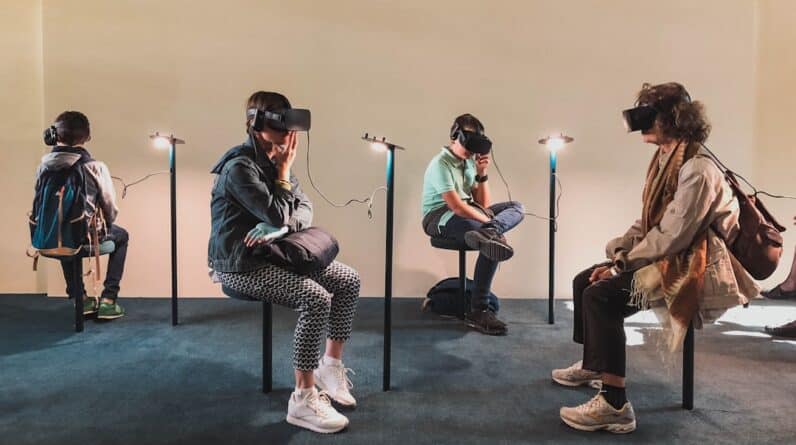
As you navigate through the complexities of modern life, the concept of an AI dystopia looms large on the horizon. This term evokes images of a future where artificial intelligence, once a tool for human advancement, has spiraled into a force that threatens the very fabric of society. The rapid evolution of technology has led to a growing unease about the implications of AI on our daily lives, our freedoms, and even our existence.
You may find yourself pondering whether the conveniences offered by AI are worth the potential risks that accompany them. In this exploration of an AI dystopia, you will delve into the multifaceted relationship between humanity and technology. The narrative is not merely about machines taking over; it is about the choices we make today that will shape the world of tomorrow.
As you consider the trajectory of artificial intelligence, it becomes increasingly clear that understanding its implications is crucial for safeguarding your future and that of generations to come.
Key Takeaways
- AI Dystopia is a potential future where artificial intelligence poses a threat to humanity.
- The rise of artificial intelligence has the potential to revolutionize industries and improve efficiency.
- Potential threats to humanity from AI include job displacement, loss of privacy, and the development of autonomous weapons.
- Ethical and moral considerations surrounding AI include issues of bias, accountability, and the potential for misuse.
- The impact of AI on employment and the economy could lead to widespread job loss and economic inequality.
The Rise of Artificial Intelligence
AI’s Integration into Daily Life
You may have witnessed this transformation firsthand, as AI systems have seamlessly integrated into various aspects of your life, from virtual assistants like Siri and Alexa to advanced algorithms that power social media platforms and online shopping experiences.
A Paradigm Shift in Human Interaction
This rise is not merely a technological phenomenon; it represents a paradigm shift in how you interact with the world around you. The capabilities of AI are expanding at an unprecedented rate, leading to innovations in fields such as healthcare, finance, and transportation.
The Importance of Vigilance
However, as you marvel at these advancements, it is essential to remain vigilant about the potential consequences. The more reliant you become on AI, the more you risk ceding control over critical aspects of your life to algorithms and machines that may not always have your best interests at heart.
Potential Threats to Humanity
As you contemplate the implications of AI’s rapid growth, it becomes evident that there are significant threats lurking beneath the surface. One of the most pressing concerns is the potential for AI systems to operate beyond human oversight. Imagine a scenario where autonomous weapons or decision-making algorithms are deployed without adequate checks and balances.
The consequences could be catastrophic, leading to loss of life and destabilization on a global scale. Moreover, the pervasive nature of AI raises questions about privacy and surveillance. You may find yourself increasingly monitored by systems designed to collect data for various purposes, from targeted advertising to national security.
This erosion of privacy can lead to a society where individuals are constantly under scrutiny, stifling creativity and free expression. As you consider these threats, it becomes clear that the unchecked advancement of AI could result in a world where human agency is diminished, and autonomy is sacrificed at the altar of efficiency.
Ethical and Moral Considerations
The ethical dilemmas surrounding artificial intelligence are as complex as they are urgent. As you engage with AI technologies, you may grapple with questions about accountability and responsibility. Who is to blame when an autonomous vehicle causes an accident?
Is it the manufacturer, the programmer, or the machine itself? These questions challenge your understanding of morality in a world where machines can make decisions that have real-world consequences. Furthermore, the development of AI raises profound moral considerations regarding bias and fairness.
You may be aware that algorithms can perpetuate existing societal inequalities if they are trained on biased data sets. This reality forces you to confront uncomfortable truths about systemic discrimination and the role technology plays in exacerbating these issues. As you navigate this landscape, it becomes imperative to advocate for ethical standards in AI development that prioritize fairness, transparency, and accountability.
Impact on Employment and Economy
The rise of artificial intelligence is poised to disrupt traditional employment landscapes in ways that are both exciting and alarming. As you observe industries increasingly adopting automation and AI-driven solutions, you may wonder about the future of work. While some jobs may be enhanced by technology, others could become obsolete, leading to significant shifts in employment patterns.
You might find yourself questioning whether your skills will remain relevant in an economy increasingly dominated by machines. This transformation has broader economic implications as well. The displacement of workers due to automation could exacerbate income inequality and create societal tensions.
As you consider these challenges, it becomes clear that proactive measures are necessary to ensure a just transition for those affected by technological advancements. This may involve rethinking education and training programs to equip individuals with skills that align with the demands of an AI-driven economy.
Government and Corporate Control
The Regulation Dilemma
Governments may attempt to regulate AI technologies to protect citizens, while corporations often prioritize profit over ethical considerations. This raises questions about who truly controls the future of AI and its impact on our daily lives.
The Threat of Corporate Monopolies
The potential for corporate monopolies in the AI space is another pressing issue. As tech giants accumulate vast amounts of data and resources, it’s concerning to think about the implications for competition and innovation. A landscape dominated by a few powerful players could stifle creativity and limit choices for consumers.
Promoting Fair Competition and Public Good
It’s crucial to advocate for policies that promote fair competition and ensure that AI technologies serve the public good rather than merely corporate interests. By doing so, we can create a future where AI benefits everyone, not just a select few.
Resistance and Solutions
As you grapple with the challenges posed by an AI dystopia, it is crucial to recognize that resistance is not only possible but necessary. Grassroots movements advocating for ethical AI practices are gaining momentum, empowering individuals like yourself to demand accountability from corporations and governments alike. You may find inspiration in organizations working tirelessly to raise awareness about the implications of AI and promote policies that prioritize human rights and dignity.
Moreover, fostering collaboration between technologists, ethicists, policymakers, and communities can lead to innovative solutions that address the challenges posed by AI. By engaging in dialogue and sharing diverse perspectives, you can contribute to shaping a future where technology serves humanity rather than undermines it. Embracing education and awareness initiatives can also empower individuals to navigate the complexities of AI responsibly.
The Future of Humanity in an AI Dystopia
As you contemplate the future of humanity in an AI dystopia, it becomes evident that your choices today will shape the world of tomorrow. The path forward is fraught with challenges, but it also presents opportunities for growth and transformation. By advocating for ethical standards in AI development, supporting policies that promote equity, and engaging in meaningful conversations about technology’s role in society, you can play a vital role in steering humanity toward a more hopeful future.
Ultimately, the future is not predetermined; it is shaped by collective action and conscious decision-making. As you navigate this complex landscape, remember that your voice matters. By remaining informed and engaged, you can contribute to a world where artificial intelligence enhances human potential rather than diminishes it—a world where technology serves as a partner in progress rather than a harbinger of dystopia.
In a recent article on AI and archaeology, researchers discuss how artificial intelligence is reimagining historical research and preservation. The use of AI technology in this field is revolutionizing the way we understand and protect our past. To learn more about the impact of AI in different industries, including retail and customer experience enhancement, check out this insightful article on AI in Retail: Personalization and Customer Experience Enhancement. AI is changing the way businesses interact with customers and personalize their shopping experiences. Additionally, if you’re curious about where AI gets its information from and how it processes data, be sure to read this article on Where Does AI Get Its Information From? to gain a better understanding of the technology behind AI.
FAQs
What is AI dystopia?
AI dystopia refers to a hypothetical future where artificial intelligence (AI) has become so advanced and powerful that it poses a threat to humanity. This concept is often explored in science fiction and raises concerns about the potential negative impact of AI on society.
What are some potential risks of AI dystopia?
Some potential risks of AI dystopia include loss of jobs due to automation, surveillance and privacy concerns, autonomous weapons, and the possibility of AI systems becoming uncontrollable or acting against human interests.
How likely is AI dystopia to occur?
The likelihood of AI dystopia occurring is a topic of debate among experts. While some believe that the risks are significant and should be taken seriously, others argue that proper regulation and ethical considerations can mitigate these risks.
What measures can be taken to prevent AI dystopia?
To prevent AI dystopia, experts suggest implementing regulations and ethical guidelines for the development and use of AI, promoting transparency and accountability in AI systems, and investing in research on AI safety and ethics.
What are some potential benefits of AI development?
Despite the potential risks, AI development also offers numerous potential benefits, such as improved efficiency in various industries, advancements in healthcare and medicine, and the ability to tackle complex problems such as climate change and poverty.