In today’s rapidly evolving technological landscape, the convergence of Artificial Intelligence (AI) and the Internet of Things (IoT) is reshaping how you interact with the world around you. This marriage of two powerful technologies is not merely a trend; it represents a fundamental shift in how data is collected, analyzed, and utilized. As you navigate through your daily life, you may not even realize how these technologies are already working in tandem to enhance your experiences, streamline processes, and improve decision-making.
The integration of AI and IoT holds immense potential for various sectors, from healthcare to agriculture, and even smart cities. By combining the analytical prowess of AI with the vast data-gathering capabilities of IoT devices, you can unlock new levels of efficiency and innovation. This article will delve into the intricacies of AI and IoT, explore their benefits when integrated, examine real-world applications, and discuss the challenges and ethical considerations that come with this technological marriage.
Key Takeaways
- The marriage of AI and IoT involves the integration of artificial intelligence and internet of things technologies to create smart and efficient systems.
- AI refers to the ability of machines to perform tasks that typically require human intelligence, while IoT refers to the network of physical devices connected to the internet, enabling them to collect and exchange data.
- Integrating AI and IoT can lead to benefits such as improved efficiency, predictive maintenance, and enhanced decision-making capabilities.
- Real-world applications of AI and IoT integration include smart homes, industrial automation, and healthcare monitoring systems.
- Challenges and risks of AI and IoT integration include security concerns, data privacy issues, and potential job displacement, but the collaboration also holds great potential for the future.
Understanding AI and IoT Technologies
To appreciate the synergy between AI and IoT, it is essential to understand what each technology entails. AI refers to the simulation of human intelligence processes by machines, particularly computer systems. This includes learning, reasoning, problem-solving, and understanding natural language.
When you think of AI, consider how virtual assistants like Siri or Alexa can understand your voice commands and provide relevant responses. This capability stems from complex algorithms that analyze data patterns and learn from them over time. On the other hand, IoT encompasses a network of interconnected devices that communicate with each other through the internet.
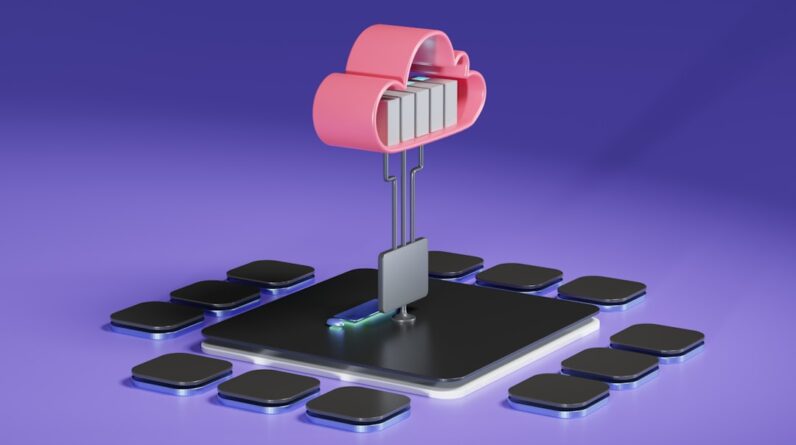
These devices can range from everyday household items like smart thermostats and refrigerators to industrial machinery that monitors performance metrics. As you engage with these devices, they collect data about your preferences and behaviors, which can be transmitted to cloud-based systems for further analysis. The true power of IoT lies in its ability to gather real-time data from various sources, creating a rich tapestry of information that can be harnessed for better decision-making.
The Benefits of Integrating AI and IoT
The integration of AI and IoT offers a multitude of benefits that can significantly enhance your life and work. One of the most notable advantages is improved efficiency. By leveraging AI algorithms to analyze data collected from IoT devices, organizations can optimize operations in real-time.
For instance, in a manufacturing setting, AI can predict equipment failures by analyzing sensor data from machines, allowing for proactive maintenance that minimizes downtime and reduces costs. Moreover, this integration fosters enhanced personalization. As you interact with smart devices, they learn your preferences and habits over time.
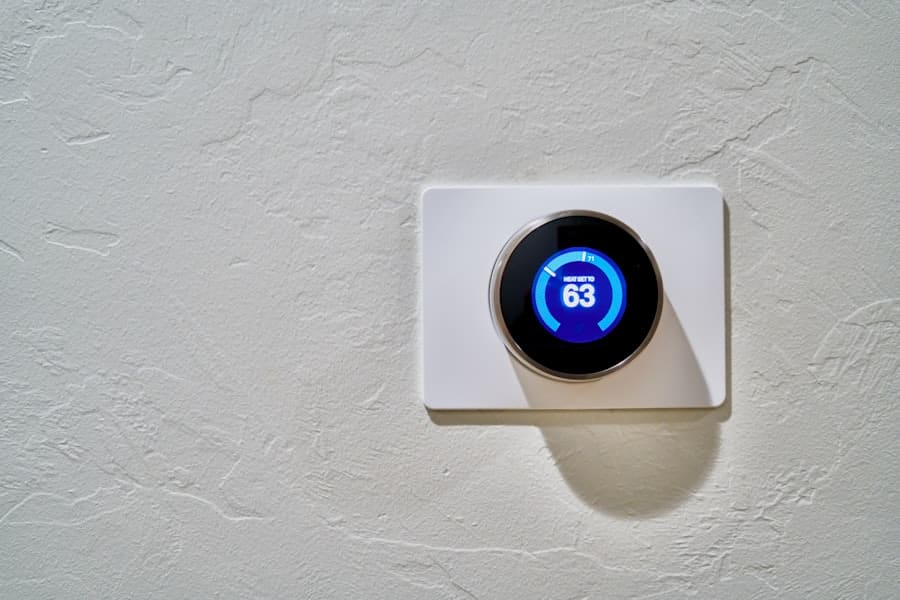
For example, a smart thermostat can adjust the temperature based on your daily routines, ensuring comfort while also conserving energy. This level of personalization not only improves user experience but also contributes to sustainability efforts by reducing energy consumption.
Real-world Applications of AI and IoT Integration
The real-world applications of AI and IoT integration are vast and varied, impacting numerous industries in profound ways. In healthcare, for instance, wearable devices equipped with sensors can monitor vital signs in real-time. When combined with AI analytics, these devices can alert healthcare providers to potential health issues before they escalate.
Imagine wearing a smartwatch that not only tracks your heart rate but also uses AI to analyze trends and predict potential health risks based on your activity levels. In agriculture, farmers are increasingly turning to smart farming solutions that utilize IoT sensors to monitor soil conditions, weather patterns, and crop health. By integrating AI into these systems, farmers can receive actionable insights that help them make informed decisions about irrigation, fertilization, and pest control.
This not only boosts crop yields but also promotes sustainable farming practices by minimizing resource waste.
Challenges and Risks of AI and IoT Integration
Despite the numerous benefits associated with the integration of AI and IoT, several challenges and risks must be addressed. One significant concern is data security. As more devices become interconnected, the potential for cyberattacks increases.
You may have heard about high-profile data breaches that compromise sensitive information; such incidents can have dire consequences for individuals and organizations alike. Ensuring robust security measures are in place is crucial to safeguarding data integrity. Another challenge lies in the complexity of managing vast amounts of data generated by IoT devices.
With countless sensors collecting information continuously, organizations must develop effective strategies for data storage, processing, and analysis. Without proper management systems in place, valuable insights may be lost in a sea of information. Additionally, there is the risk of relying too heavily on automated systems; while AI can enhance decision-making processes, it is essential to maintain human oversight to ensure ethical considerations are met.
The Future of AI and IoT Collaboration

Looking ahead, the collaboration between AI and IoT is poised to grow even more robust as technology continues to advance. You can expect to see an increase in smart cities where interconnected systems manage everything from traffic flow to energy consumption. Imagine living in a city where traffic lights adjust in real-time based on vehicle density or where waste management systems optimize collection routes based on sensor data.
Furthermore, advancements in edge computing will play a pivotal role in this collaboration. By processing data closer to where it is generated—at the “edge”—you can achieve faster response times and reduce latency issues associated with cloud computing. This will enable more sophisticated applications of AI in real-time scenarios, enhancing everything from autonomous vehicles to smart home systems.
Ethical Considerations in the Marriage of AI and IoT
As you explore the integration of AI and IoT further, it is crucial to consider the ethical implications that arise from their collaboration. One pressing concern is privacy; as IoT devices collect vast amounts of personal data, questions about who owns this data and how it is used become increasingly relevant. You may find yourself wondering whether your smart devices are collecting more information than necessary or if they are sharing your data with third parties without your consent.
Additionally, there are concerns about bias in AI algorithms. If the data used to train these algorithms is flawed or unrepresentative, it can lead to biased outcomes that disproportionately affect certain groups. As you engage with these technologies, it is essential to advocate for transparency in how data is collected and used while promoting fairness in AI decision-making processes.
Harnessing the Potential of AI and IoT Integration
In conclusion, the marriage of AI and IoT presents an exciting frontier filled with opportunities for innovation and improvement across various sectors. As you embrace these technologies in your daily life or professional endeavors, understanding their potential benefits and challenges will empower you to make informed decisions. The integration of AI and IoT has the power to enhance efficiency, personalize experiences, and drive sustainable practices.
However, it is equally important to remain vigilant about the ethical considerations that accompany this technological evolution. By advocating for responsible practices in data management and algorithm development, you can contribute to a future where AI and IoT work harmoniously for the betterment of society as a whole. As we stand on the brink of this new era, harnessing the potential of AI and IoT integration will undoubtedly shape a smarter, more connected world for generations to come.
In a related article discussing the advancements in AI technology, What is the Most Advanced Human-Like AI? delves into the capabilities of AI systems that are designed to mimic human behavior and intelligence. This article explores the cutting-edge developments in AI technology that are pushing the boundaries of what is possible in terms of creating human-like AI. The marriage of AI and IoT is further enhanced by the continuous evolution of AI tools and frameworks, as discussed in another related article AI Tools and Frameworks. These advancements are paving the way for a technological powerhouse that has the potential to revolutionize various industries and improve the way we interact with technology.
FAQs
What is AI and IoT?
AI stands for Artificial Intelligence, which refers to the simulation of human intelligence processes by machines, especially computer systems. IoT stands for Internet of Things, which refers to the network of physical devices, vehicles, home appliances, and other items embedded with electronics, software, sensors, actuators, and connectivity which enables these things to connect and exchange data.
How are AI and IoT being used together?
AI and IoT are being used together to create smart, connected systems that can gather and analyze data in real time, leading to more efficient and effective decision-making. For example, AI can be used to analyze the data collected by IoT devices to identify patterns and make predictions, leading to improved automation and optimization of processes.
What are the benefits of the marriage of AI and IoT?
The marriage of AI and IoT can lead to numerous benefits, including improved efficiency, cost savings, enhanced decision-making, predictive maintenance, and the ability to create new business models and revenue streams. By combining the power of AI to analyze data with the connectivity of IoT devices, organizations can gain valuable insights and drive innovation.
What are some examples of AI and IoT working together?
Examples of AI and IoT working together include smart home devices that use AI to learn and adapt to user preferences, industrial equipment that uses IoT sensors to collect data and AI to predict maintenance needs, and autonomous vehicles that use AI to process data from IoT sensors to navigate and make decisions.
What are the potential challenges of the marriage of AI and IoT?
Challenges of the marriage of AI and IoT include concerns about data privacy and security, the need for interoperability and standardization of devices and systems, and the potential for job displacement as automation increases. Additionally, there may be ethical considerations related to the use of AI in decision-making processes.