In recent years, you may have noticed a remarkable shift in the landscape of creative industries, largely driven by advancements in artificial intelligence (AI). From music composition to visual arts, AI has begun to play a pivotal role in how creative works are conceived and produced. This rise of AI in creative fields is not merely a trend; it represents a fundamental transformation in the way artists, designers, and creators approach their craft.
As you delve deeper into this phenomenon, you will find that AI is not just a tool but a collaborator that can enhance human creativity in unprecedented ways. The integration of AI into creative industries has sparked both excitement and skepticism. On one hand, you might be thrilled by the possibilities that AI offers—tools that can generate music, create stunning visuals, or even write compelling narratives.
On the other hand, you may also feel apprehensive about the implications of machines taking on roles traditionally held by human artists. This duality reflects a broader conversation about the nature of creativity itself and what it means to be an artist in an age where algorithms can produce works that rival those of human creators.
Key Takeaways
- AI is increasingly being used in creative industries, revolutionizing the way art, music, and literature are produced and consumed.
- Machine creativity involves the use of algorithms and machine learning to generate original and innovative works of art.
- Algorithms play a crucial role in generating art by analyzing patterns, trends, and data to create unique and compelling pieces.
- Ethical considerations in AI-generated art include issues of authorship, ownership, and the potential for bias in the algorithms used.
- AI is impacting traditional creative processes by offering new tools and techniques for artists and creators to explore and experiment with.
Understanding Machine Creativity
To fully appreciate the impact of AI on creative industries, it is essential to understand what machine creativity entails. At its core, machine creativity refers to the ability of algorithms and AI systems to generate original content that can be perceived as creative. This raises intriguing questions about the essence of creativity: Is it merely the recombination of existing ideas, or does it require a deeper understanding of context, emotion, and intention?
As you explore this topic, you may find yourself pondering whether machines can truly be considered creative or if they are simply sophisticated mimics of human expression. One way to approach this question is to examine the processes through which AI generates creative works. Many AI systems rely on vast datasets to learn patterns and styles from existing art forms.
By analyzing these patterns, they can produce new compositions that reflect the characteristics of the input data. However, this process is not without its limitations. While AI can generate impressive outputs, it often lacks the emotional depth and personal experiences that inform human creativity.
As you consider these nuances, you may begin to appreciate the unique qualities that human artists bring to their work, even in an age dominated by technology.
The Role of Algorithms in Generating Art
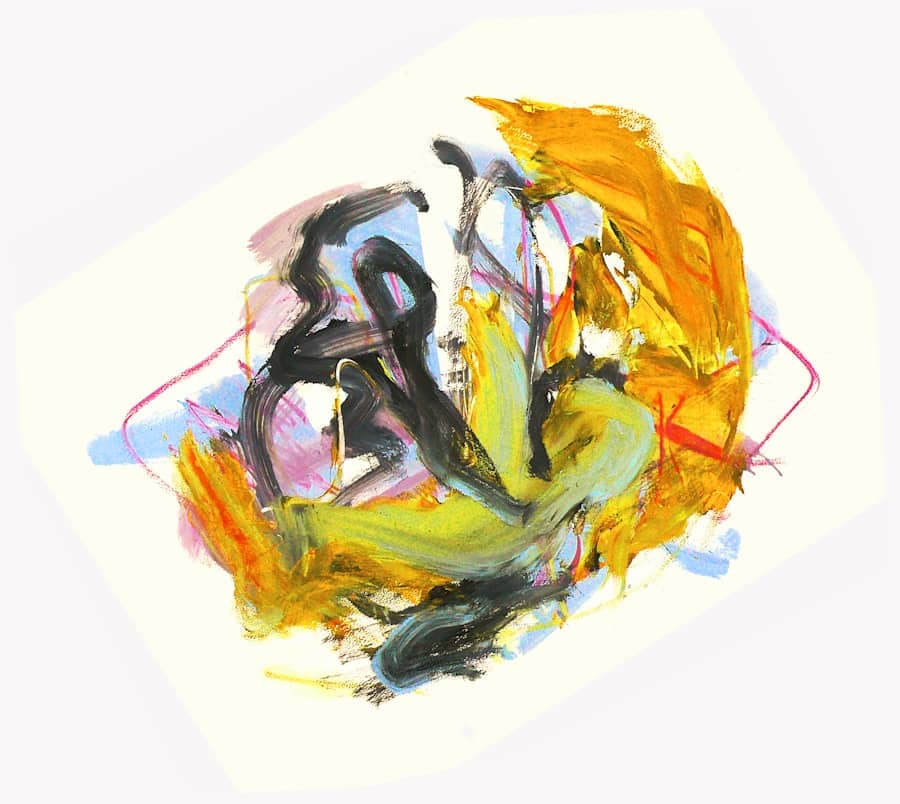
Algorithms serve as the backbone of AI-generated art, acting as the guiding force behind the creative process. These mathematical formulas enable machines to analyze data, recognize patterns, and produce outputs that can be strikingly original. As you explore the role of algorithms in generating art, you will discover that they can be both a source of inspiration and a limitation.
On one hand, algorithms can facilitate experimentation and innovation by allowing artists to explore new styles and techniques that they may not have considered otherwise. However, the reliance on algorithms also raises questions about authenticity and originality. When an algorithm generates a piece of art based on existing works, how much of that creation can be considered truly original?
You might find yourself grappling with the idea that while algorithms can produce visually stunning pieces, they often do so by drawing from a well of pre-existing knowledge. This interplay between inspiration and imitation invites a deeper examination of what it means to create art in a world where machines are capable of producing works that challenge traditional notions of authorship.
Ethical Considerations in AI-generated Art
As AI continues to permeate creative industries, ethical considerations surrounding its use become increasingly important. You may find yourself questioning the implications of using AI to create art—who owns the rights to an artwork generated by an algorithm? If an AI system produces a piece that closely resembles an existing work, does it infringe on copyright laws?
These questions highlight the complexities of intellectual property in an era where machines can replicate styles and techniques with remarkable accuracy. Moreover, there is a growing concern about the potential for AI-generated art to perpetuate biases present in the training data. If an algorithm learns from a dataset that lacks diversity or representation, it may produce works that reflect those limitations.
As you engage with these ethical dilemmas, you may feel compelled to advocate for responsible practices in AI development and usage within creative fields. This includes ensuring that datasets are inclusive and representative while also establishing clear guidelines for ownership and attribution in AI-generated works.
The Impact of AI on Traditional Creative Processes
The advent of AI has undeniably altered traditional creative processes, prompting artists and creators to rethink their approaches. You may observe that many artists are now incorporating AI tools into their workflows, using them as collaborators rather than replacements. This shift has led to a blending of human intuition and machine efficiency, resulting in innovative outcomes that push the boundaries of creativity.
As you explore this dynamic, you might find inspiration in how artists are embracing technology to enhance their work rather than viewing it as a threat. However, this integration is not without its challenges. You may encounter resistance from some traditionalists who argue that relying on AI diminishes the authenticity of artistic expression.
They may contend that true creativity stems from human experience and emotion—qualities that machines cannot replicate. As you navigate these differing perspectives, you may come to appreciate the diverse ways in which artists are redefining their practices in response to technological advancements.
Exploring the Boundaries of AI Creativity
As AI continues to evolve, so too does the exploration of its creative boundaries. You might find yourself captivated by projects that push the limits of what machines can achieve in artistic expression. From generative art installations to collaborative music compositions between humans and AI, these endeavors challenge preconceived notions about creativity and authorship.
As you delve into these innovative projects, you may discover new forms of artistic expression that blur the lines between human and machine creativity. This exploration also raises philosophical questions about the nature of creativity itself. If machines can produce works that evoke emotion or provoke thought, what does this mean for our understanding of artistic intent?
You may find yourself reflecting on the role of human agency in creative processes and how it intersects with machine-generated outputs. As you engage with these ideas, you may come to appreciate the rich tapestry of creativity that emerges when humans and machines collaborate.
The Future of AI in the Creative World
Looking ahead, the future of AI in the creative world appears both promising and uncertain. You may envision a landscape where artists harness AI as a powerful tool for innovation, enabling them to explore new frontiers in their work. As technology continues to advance, you might anticipate even more sophisticated algorithms capable of generating complex narratives or immersive experiences that captivate audiences in ways previously unimaginable.
However, this future also necessitates careful consideration of ethical implications and societal impacts. As you contemplate the trajectory of AI in creative industries, you may feel a sense of responsibility to advocate for practices that prioritize inclusivity and diversity in artistic expression. By fostering an environment where both human and machine creativity can thrive harmoniously, you can contribute to shaping a future where technology enhances rather than diminishes the richness of artistic endeavors.
Embracing the Potential of AI as a Tool for Creativity
Ultimately, embracing the potential of AI as a tool for creativity requires an open mind and a willingness to adapt. You may find yourself inspired by the myriad ways in which artists are leveraging technology to expand their creative horizons. Rather than viewing AI as a competitor or threat, consider it an ally that can augment your own creative process.
By integrating AI tools into your practice, you can unlock new possibilities for exploration and expression. As you navigate this evolving landscape, remember that creativity is inherently fluid and adaptable. The fusion of human intuition with machine intelligence has the potential to yield extraordinary results—works that resonate deeply with audiences while challenging conventional notions of artistry.
By embracing this potential and advocating for responsible practices within the realm of AI-generated art, you can play an active role in shaping a future where creativity knows no bounds.
If you are interested in exploring how artificial intelligence is impacting various industries, you may want to check out the article AI and Personalization: Tailoring User Experiences in Various Industries. This article delves into how AI is revolutionizing the way businesses interact with their customers and provide personalized experiences across different sectors. It offers valuable insights into the future of AI and its potential to transform industries in profound ways.
FAQs
What is machine creativity?
Machine creativity refers to the ability of artificial intelligence (AI) systems to generate original and innovative ideas, designs, or artworks without direct human intervention.
How do AI systems exhibit creativity?
AI systems exhibit creativity through various methods such as generating new music compositions, creating original artworks, designing unique products, and developing innovative solutions to complex problems.
What are the applications of machine creativity?
Machine creativity has applications in various fields including music composition, visual arts, literature, design, architecture, engineering, and scientific research. It can also be used in developing new products, improving user experiences, and enhancing problem-solving capabilities.
What are the challenges in developing machine creativity?
Challenges in developing machine creativity include defining and measuring creativity in AI systems, understanding the role of human input in the creative process, and ensuring that AI-generated creations are ethically and legally sound.
How can machine creativity benefit society?
Machine creativity can benefit society by fostering innovation, inspiring new ideas, and expanding the possibilities of human creativity. It can also assist in automating creative tasks, providing new tools for artists and designers, and contributing to the advancement of technology and culture.