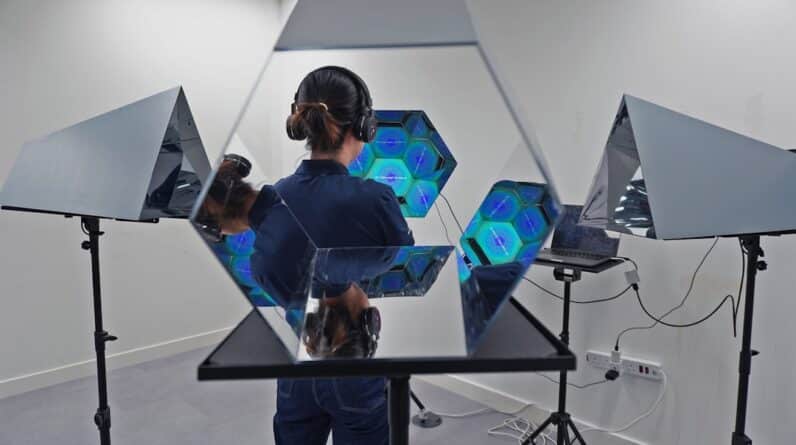
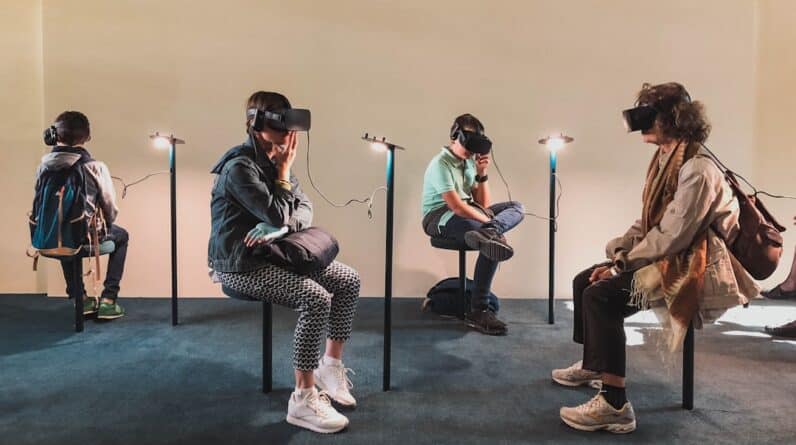
In recent years, you may have noticed a remarkable surge in the development and adoption of artificial intelligence (AI) and virtual reality (VR). These technologies have transitioned from niche applications to mainstream phenomena, capturing the imagination of industries, consumers, and researchers alike. AI, with its ability to analyze vast amounts of data and learn from it, has become a cornerstone of modern technology.
Meanwhile, VR has evolved from rudimentary simulations to immersive environments that can transport you to entirely different worlds. This rise is not merely a coincidence; it reflects a broader trend toward digitization and the quest for more engaging experiences. As you delve deeper into the realms of AI and VR, you might find it fascinating how these technologies are reshaping various sectors.
From gaming to education, healthcare to real estate, the applications are diverse and impactful. The convergence of AI and VR is particularly noteworthy, as it promises to enhance user experiences in ways previously thought impossible. You may find yourself pondering the implications of these advancements—how they will change the way you interact with technology and the world around you.
The rise of AI and VR is not just a technological evolution; it represents a fundamental shift in how you perceive reality itself.
Key Takeaways
- AI and virtual reality are rapidly growing technologies that are transforming various industries.
- The intersection of AI and virtual reality is creating new opportunities for immersive and intelligent experiences.
- AI enhances virtual reality experiences by providing personalized and adaptive content, natural language processing, and real-time data analysis.
- Virtual reality plays a crucial role in AI development by providing realistic environments for training and testing AI algorithms.
- Ethical considerations in blending AI and virtual reality include privacy concerns, potential addiction, and the impact on human behavior and perception.
The Intersection of AI and Virtual Reality
At the intersection of AI and virtual reality lies a rich tapestry of possibilities that can redefine your interactions with digital environments. When these two technologies converge, they create a synergistic effect that enhances both user experience and functionality. Imagine stepping into a virtual world where intelligent agents respond to your actions in real-time, adapting the environment based on your preferences and behaviors.
This is not just a futuristic dream; it is becoming a reality as developers harness the power of AI to create more dynamic and responsive virtual experiences. As you explore this intersection further, you may realize that the integration of AI into VR can lead to more personalized experiences. For instance, AI algorithms can analyze your interactions within a virtual space, learning your preferences and tailoring the environment accordingly.
This means that every time you enter a VR application, it can feel uniquely yours, adapting to your mood or objectives. The potential for creating deeply immersive experiences is immense, allowing you to engage with content in ways that resonate on a personal level. This intersection is not merely about technology; it’s about crafting experiences that feel intuitive and meaningful.
How AI Enhances Virtual Reality Experiences

AI enhances virtual reality experiences by introducing elements of interactivity and realism that were previously unattainable. When you don a VR headset, you expect to be transported to another world, but what if that world could also respond intelligently to your actions? AI algorithms can analyze your movements, gestures, and even facial expressions, allowing virtual characters and environments to react in real-time.
This level of interactivity creates a sense of presence that makes you feel as though you are truly part of the experience. Moreover, AI can facilitate more complex narratives within virtual environments. Imagine being part of an interactive story where the plot evolves based on your decisions.
With AI-driven storytelling, every choice you make can lead to different outcomes, making each experience unique. This not only enhances engagement but also encourages exploration and experimentation. As you navigate through these narratives, you may find yourself emotionally invested in the characters and their journeys, blurring the lines between reality and fiction.
The integration of AI into VR is transforming passive consumption into active participation, making your experiences richer and more fulfilling.
The Role of Virtual Reality in AI Development
While AI enhances virtual reality experiences, virtual reality also plays a crucial role in the development of AI technologies. By providing immersive environments for training and testing AI systems, VR allows developers to simulate complex scenarios that would be difficult or impossible to recreate in the real world. For instance, training autonomous vehicles or robotic systems can benefit from VR simulations that mimic real-life conditions without the associated risks.
As you consider this aspect, it becomes clear that VR serves as a valuable tool for refining AI capabilities. Additionally, virtual reality can facilitate human-AI interaction studies by creating controlled environments where researchers can observe how users engage with AI systems. This research is vital for understanding user behavior and improving AI algorithms to better meet human needs.
As you engage with these technologies, you may appreciate how VR not only enhances user experiences but also contributes to the advancement of AI itself. The symbiotic relationship between these two fields is paving the way for innovations that could redefine how we interact with technology.
Ethical Considerations in Blending AI and Virtual Reality
As with any technological advancement, the blending of AI and virtual reality raises important ethical considerations that you should be aware of. One major concern is privacy; as AI systems collect data to personalize experiences within VR environments, there is a risk of sensitive information being misused or inadequately protected. You may find yourself questioning how much data is being collected and how it is being utilized.
Ensuring transparency in data collection practices is essential for building trust between users and developers. Another ethical consideration revolves around the potential for manipulation within virtual environments. With AI capable of creating hyper-realistic scenarios, there is a risk that users could be influenced or misled by content designed to exploit their emotions or biases.
As you navigate these blended realities, it’s crucial to remain vigilant about the information presented to you and consider its implications on your perceptions and decisions. The ethical landscape surrounding AI and VR integration is complex, requiring ongoing dialogue among developers, users, and policymakers to ensure responsible use.
The Future of Blended Realities: AI and Virtual Reality
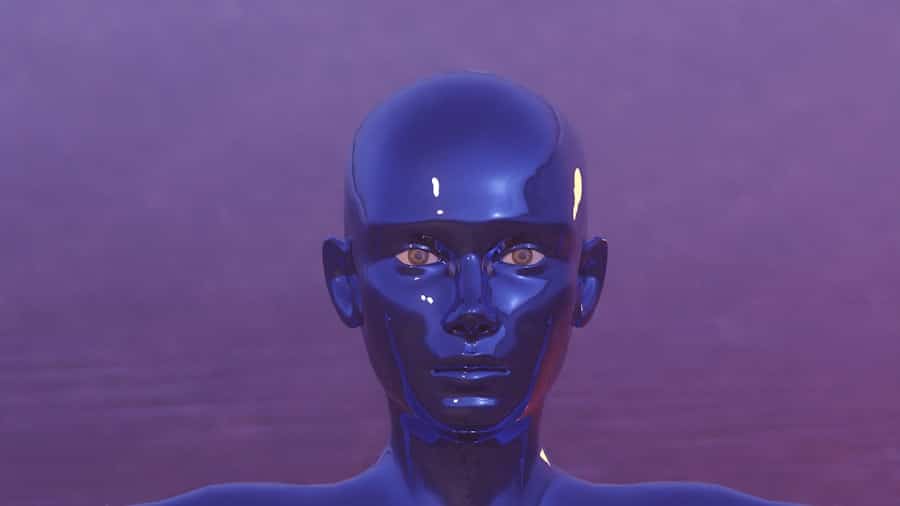
Looking ahead, the future of blended realities involving AI and virtual reality appears promising yet complex. As technology continues to evolve, you can expect even more sophisticated integrations that enhance user experiences across various domains. Imagine attending virtual conferences where AI-driven avatars represent speakers, providing personalized insights based on your interests.
Such scenarios are not far-fetched; they are indicative of how blended realities could transform professional interactions. Moreover, advancements in hardware will likely make VR more accessible than ever before. As devices become lighter, more affordable, and easier to use, you may find yourself engaging with virtual environments in ways that were previously limited to specialized users.
The potential for widespread adoption opens up new avenues for education, entertainment, and social interaction. However, as these technologies become more integrated into daily life, it will be essential for society to address the challenges they present while maximizing their benefits.
Industry Applications of AI and Virtual Reality Integration
The integration of AI and virtual reality has already begun to make significant strides across various industries, offering innovative solutions that enhance productivity and engagement. In healthcare, for instance, medical professionals are using VR simulations powered by AI to train for complex surgeries or practice patient interactions in a risk-free environment. As you consider this application, it becomes evident how such training can lead to improved outcomes in real-life medical scenarios.
In the realm of education, blended realities are revolutionizing learning experiences by providing immersive environments where students can explore complex subjects interactively. Imagine studying ancient civilizations by walking through a virtual reconstruction of their cities or conducting science experiments in a simulated lab without any physical constraints. These applications not only make learning more engaging but also cater to diverse learning styles, allowing you to absorb information in ways that resonate with you personally.
Challenges and Opportunities in Blending AI and Virtual Reality
While the blending of AI and virtual reality presents numerous opportunities for innovation, it also comes with its share of challenges that require careful consideration. One significant challenge is ensuring interoperability between different systems and platforms. As various developers create their own solutions within these fields, achieving seamless integration can be difficult.
You may find yourself navigating fragmented experiences if compatibility issues arise between different applications or devices. On the other hand, these challenges also present opportunities for collaboration among industry leaders and innovators. By working together to establish standards and best practices for integrating AI with VR technologies, stakeholders can create more cohesive experiences for users like yourself.
Additionally, as demand for blended realities grows across sectors, there will be ample opportunities for entrepreneurs to develop new solutions that address existing gaps in the market. In conclusion, the rise of artificial intelligence and virtual reality has opened up exciting possibilities for enhancing user experiences across various domains. As these technologies continue to evolve and intersect, they promise to reshape how you interact with digital environments while also presenting ethical considerations that must be addressed responsibly.
The future holds immense potential for blended realities—one where your engagement with technology becomes more intuitive, immersive, and meaningful than ever before.
Blending Realities: AI and Virtual Reality explores the intersection of artificial intelligence and virtual reality, highlighting the potential for innovative applications and advancements in both fields. For further insight into the world of AI, readers may be interested in the article Introduction to AI, which provides a comprehensive overview of artificial intelligence and its various applications. This article delves into the basics of AI, its history, and its impact on society, offering a valuable resource for those looking to deepen their understanding of this rapidly evolving technology.
FAQs
What is AI?
AI, or artificial intelligence, refers to the simulation of human intelligence in machines that are programmed to think and act like humans. This includes tasks such as learning, problem-solving, and decision-making.
What is Virtual Reality (VR)?
Virtual Reality (VR) is a computer-generated simulation of an environment that can be interacted with in a seemingly real or physical way. This is typically achieved through the use of special electronic equipment, such as a VR headset.
How are AI and VR being blended together?
AI and VR are being blended together to create more immersive and intelligent virtual experiences. AI can be used to enhance VR environments by providing intelligent interactions, personalized experiences, and realistic simulations.
What are some applications of blending AI and VR?
Some applications of blending AI and VR include virtual training simulations for various industries, personalized virtual experiences in entertainment and gaming, and intelligent virtual assistants for tasks such as customer service and education.
What are the potential benefits of blending AI and VR?
The potential benefits of blending AI and VR include enhanced learning and training experiences, more personalized and engaging virtual environments, and improved efficiency and effectiveness in various industries.
What are some challenges in blending AI and VR?
Challenges in blending AI and VR include ensuring seamless integration of AI technologies into VR environments, addressing privacy and ethical concerns related to AI in virtual experiences, and overcoming technical limitations in creating realistic and intelligent virtual simulations.