In recent years, the culinary world has witnessed a remarkable transformation, largely driven by advancements in artificial intelligence (AI). As you explore the intersection of technology and gastronomy, you may find yourself intrigued by how AI is reshaping the way we think about food. The fusion of AI with culinary arts is not merely a trend; it represents a profound shift in how flavors, ingredients, and cooking techniques are combined.
This innovative approach allows chefs and home cooks alike to experiment with new recipes and flavors that were once unimaginable. By harnessing the power of algorithms and data analysis, AI is opening up a world of possibilities in the kitchen. As you delve deeper into this fascinating topic, you will discover that AI’s influence extends beyond just recipe creation.
It encompasses everything from ingredient sourcing to meal planning and even food delivery. The integration of AI into culinary practices is not just about efficiency; it’s about enhancing creativity and expanding the boundaries of what is possible in cooking. With AI as a partner in the kitchen, you can expect to see a new era of culinary exploration that celebrates both tradition and innovation.
Key Takeaways
- AI’s culinary fusion combines traditional cooking methods with advanced technology to create innovative dishes.
- Algorithms play a crucial role in global cuisine by analyzing flavor profiles, ingredient combinations, and cooking techniques to create new recipes.
- Successful AI-driven culinary fusion examples include creating unique flavor combinations, personalized recipe recommendations, and efficient meal planning.
- Challenges and limitations of AI in culinary fusion include the need for human creativity and intuition, potential biases in recipe recommendations, and accessibility issues for certain communities.
- The future of AI’s culinary fusion holds potential for personalized dining experiences, sustainable food practices, and cross-cultural culinary collaborations.
The Role of Algorithms in Global Cuisine
Algorithms play a pivotal role in the evolution of global cuisine, acting as the backbone of AI-driven culinary fusion. When you think about algorithms, you might envision complex mathematical equations or computer programming. However, in the culinary context, they serve as sophisticated tools that analyze vast amounts of data to identify patterns and trends in food preferences.
By processing information from various sources—such as social media, food blogs, and restaurant reviews—algorithms can predict which flavors and ingredients are likely to resonate with consumers. As you consider the implications of this technology, it becomes clear that algorithms can help chefs create dishes that are not only innovative but also tailored to specific tastes and dietary needs. For instance, if you have a penchant for spicy foods or are following a vegan diet, AI can suggest recipes that align with your preferences while introducing you to new culinary experiences.
This personalized approach to cooking not only enhances your enjoyment of food but also encourages you to explore diverse cuisines from around the world.
Examples of Successful AI-Driven Culinary Fusion

The success stories of AI-driven culinary fusion are numerous and varied, showcasing the potential of technology to revolutionize the way we cook and eat. One notable example is IBM’s Chef Watson, an AI system designed to assist chefs in creating unique recipes by analyzing flavor compounds and ingredient pairings. Imagine being able to input a few ingredients you have on hand, and Chef Watson suggesting an array of creative dishes that you might never have considered.
This tool has empowered chefs to push the boundaries of traditional cooking by blending unexpected flavors and textures. Another compelling case is the rise of AI-powered meal kit services that curate recipes based on individual preferences and dietary restrictions. These services utilize algorithms to analyze customer data, ensuring that each meal kit is tailored to your tastes while introducing you to new ingredients and cooking techniques.
By leveraging AI, these companies are not only simplifying meal preparation but also encouraging culinary exploration in your own kitchen. You may find yourself trying dishes from different cultures that you would have otherwise overlooked.
Challenges and Limitations of AI in Culinary Fusion
Despite the exciting possibilities that AI brings to the culinary world, there are significant challenges and limitations that must be addressed. One major concern is the reliance on data quality and availability. For AI algorithms to function effectively, they require access to extensive datasets that accurately represent global culinary practices.
If the data is biased or incomplete, the resulting recommendations may not reflect the true diversity of flavors and techniques found in various cuisines. As you navigate this landscape, it’s essential to recognize that AI is only as good as the information it processes. Moreover, there is an inherent risk of losing the human touch in cooking as AI becomes more integrated into culinary practices.
While algorithms can suggest innovative combinations and streamline meal preparation, they cannot replicate the intuition, emotion, and cultural significance that human chefs bring to their craft. As you embrace the benefits of AI in your cooking endeavors, it’s crucial to strike a balance between technology and tradition, ensuring that the artistry of cooking remains at the forefront.
The Future of AI’s Culinary Fusion
Looking ahead, the future of AI’s culinary fusion appears promising yet complex. As technology continues to evolve, you can expect even more sophisticated algorithms capable of understanding not just flavor profiles but also cultural contexts and historical significance behind various dishes. This advancement could lead to a deeper appreciation for global cuisines as AI helps bridge gaps between different culinary traditions.
Furthermore, as sustainability becomes an increasingly pressing concern, AI has the potential to revolutionize how we source ingredients and reduce food waste. Imagine an AI system that analyzes local food availability and suggests recipes based on what’s in season or what’s about to expire in your pantry. This could not only enhance your cooking experience but also contribute positively to environmental efforts.
The future holds exciting possibilities for integrating technology into our kitchens while remaining mindful of our impact on the planet.
Cultural and Ethical Considerations in AI-Driven Culinary Fusion
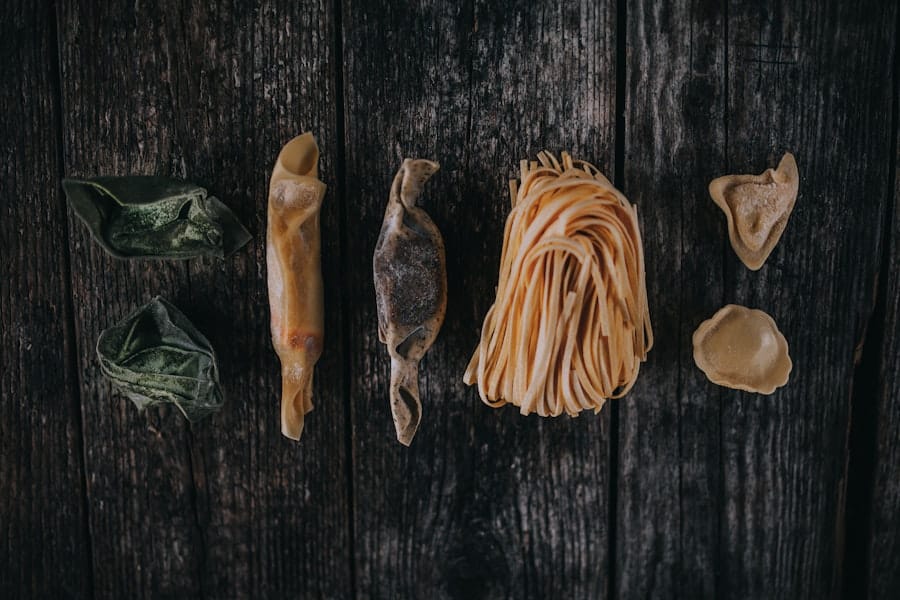
As you explore the realm of AI-driven culinary fusion, it’s essential to consider the cultural and ethical implications that accompany this technological advancement. Food is deeply intertwined with cultural identity, history, and tradition. When algorithms suggest new combinations or reinterpret classic dishes, there is a risk of cultural appropriation or dilution of traditional practices.
It’s vital for both consumers and creators to approach this fusion with respect and awareness of its origins. Moreover, ethical considerations extend beyond cultural sensitivity; they also encompass issues related to data privacy and ownership. As AI systems collect data on individual preferences and behaviors, questions arise about who owns this information and how it is used.
As you engage with AI-driven culinary tools, it’s important to remain informed about these ethical dilemmas and advocate for transparency in how data is handled within the food industry.
The Impact of AI on Traditional Culinary Practices
The integration of AI into culinary practices inevitably impacts traditional cooking methods and techniques. While some may view this as a threat to authenticity, others see it as an opportunity for evolution. As you witness chefs experimenting with AI-generated recipes or utilizing technology for precision cooking, you may find that traditional practices can coexist with innovation rather than being overshadowed by it.
In many cases, AI can enhance traditional cooking by providing insights into flavor pairings or optimizing cooking times for specific dishes. For instance, a chef might use an AI tool to perfect a family recipe passed down through generations, ensuring that it retains its essence while benefiting from modern techniques. This harmonious blend of tradition and technology can lead to a richer culinary landscape where both old and new coexist.
Embracing the Blend of Tradition and Technology in Global Cuisine
As you reflect on the journey through AI’s culinary fusion, it becomes evident that this intersection of tradition and technology offers exciting opportunities for exploration and creativity in the kitchen. While challenges exist—ranging from data quality concerns to ethical considerations—the potential for innovation is vast. By embracing AI as a partner rather than a replacement for human creativity, you can unlock new dimensions in your culinary experiences.
Ultimately, the future of global cuisine lies in finding a balance between honoring traditional practices and embracing technological advancements. As you continue your culinary journey, consider how you can incorporate both elements into your cooking repertoire. Whether it’s experimenting with an AI-generated recipe or preserving cherished family traditions, the blend of tradition and technology will undoubtedly shape the future of food in ways we are only beginning to understand.
In a recent article on AI Lab 360, the ethical implications of AI are explored in depth, focusing on the delicate balance between progress and responsibility. This thought-provoking piece delves into the potential risks and benefits of artificial intelligence, raising important questions about the impact of this rapidly advancing technology on society as a whole. For those interested in the intersection of technology and ethics, this article is a must-read. Read more here.
FAQs
What is AI’s Culinary Fusion?
AI’s Culinary Fusion is a concept that involves using artificial intelligence (AI) to blend global cuisines with algorithmic flair. It combines traditional cooking techniques and ingredients from different cultures with the innovative capabilities of AI to create unique and innovative dishes.
How does AI’s Culinary Fusion work?
AI’s Culinary Fusion works by using AI algorithms to analyze and identify patterns in various cuisines from around the world. It then uses this data to create new recipes that blend different culinary traditions, flavors, and ingredients in innovative ways.
What are the benefits of AI’s Culinary Fusion?
The benefits of AI’s Culinary Fusion include the ability to create new and exciting dishes that combine the best elements of different global cuisines. It also allows for the exploration of new flavor combinations and culinary techniques that may not have been previously considered.
Is AI’s Culinary Fusion widely used in the culinary industry?
AI’s Culinary Fusion is still a relatively new concept in the culinary industry, but it is gaining traction as chefs and food enthusiasts explore the possibilities of using AI to create innovative dishes. While it may not be widely used yet, it has the potential to revolutionize the way we think about food and cooking.
Are there any challenges associated with AI’s Culinary Fusion?
One of the challenges associated with AI’s Culinary Fusion is ensuring that the resulting dishes are culturally sensitive and respectful of the traditions from which they draw inspiration. Additionally, there may be technical challenges in fine-tuning AI algorithms to accurately capture the nuances of different cuisines.