Artificial Intelligence (AI) has emerged as one of the most transformative technologies of the 21st century. As you navigate through your daily life, you may not even realize how deeply integrated AI has become in various aspects of society. From the virtual assistants on your smartphones to the algorithms that curate your social media feeds, AI is reshaping the way you interact with technology and the world around you.
This remarkable field encompasses a range of technologies, including machine learning, natural language processing, and robotics, all designed to mimic human cognitive functions. As you delve deeper into this subject, you will discover both the incredible potential and the complex challenges that AI presents. The rapid advancement of AI has sparked a global conversation about its implications for humanity.
You might find yourself pondering questions about what it means to be human in an age where machines can learn, adapt, and even make decisions. The dual nature of AI—its ability to enhance human capabilities while also posing significant risks—makes it a topic worthy of exploration. As you embark on this journey through the multifaceted world of AI, you will uncover its benefits, risks, ethical considerations, and its profound impact on various sectors, including healthcare and the job market.
Key Takeaways
- Artificial Intelligence (AI) refers to the simulation of human intelligence in machines that are programmed to think and act like humans.
- AI has the potential to revolutionize various industries and improve efficiency, productivity, and decision-making processes.
- However, there are potential risks and dangers associated with AI, including job displacement, privacy concerns, and the potential for autonomous weapons.
- Ethical considerations in AI development and use include issues of bias, transparency, accountability, and the impact on human rights.
- AI is expected to have a significant impact on the job market, with some jobs being automated and new jobs being created in AI-related fields.
The Benefits of Artificial Intelligence to Humanity
One of the most compelling aspects of AI is its potential to improve the quality of life for individuals and communities alike. You may have already experienced the convenience of AI-driven applications that streamline everyday tasks, such as scheduling appointments or managing your finances. These technologies not only save you time but also enhance your productivity by automating repetitive tasks.
In industries ranging from agriculture to finance, AI is being harnessed to optimize processes, reduce waste, and increase efficiency. As you consider these advancements, it becomes clear that AI has the power to drive innovation and economic growth. Moreover, AI’s ability to analyze vast amounts of data can lead to breakthroughs in various fields.
For instance, in scientific research, AI algorithms can sift through complex datasets to identify patterns and correlations that would be impossible for humans to discern alone. This capability is revolutionizing fields such as genomics and climate science, where understanding intricate relationships is crucial for making informed decisions. As you reflect on these developments, you may recognize that AI not only enhances human capabilities but also opens doors to new possibilities that can address some of the world’s most pressing challenges.
The Potential Risks and Dangers of Artificial Intelligence
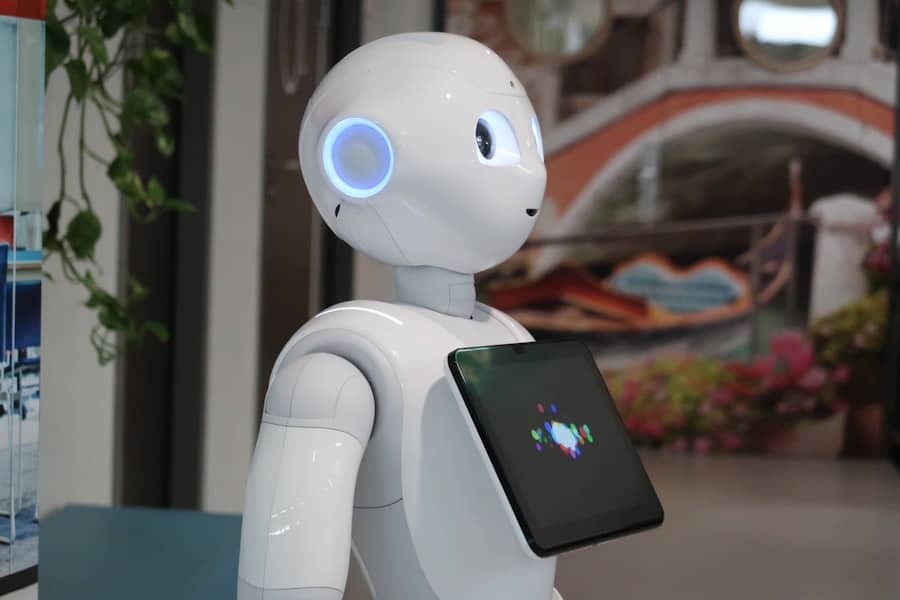
While the benefits of AI are significant, it is equally important to acknowledge the potential risks and dangers associated with its development and deployment. As you explore this landscape, you may encounter concerns about privacy and security. With AI systems increasingly collecting and analyzing personal data, there is a growing fear that this information could be misused or fall into the wrong hands.
You might find yourself questioning how much of your personal information is being monitored and whether it is being used ethically. Additionally, the rise of autonomous systems raises ethical dilemmas that society must confront. For example, self-driving cars rely on AI to make split-second decisions that could impact human lives.
As you consider scenarios where an autonomous vehicle must choose between two unfavorable outcomes, you may grapple with the moral implications of programming such decisions into machines. The potential for bias in AI algorithms also poses a significant risk; if these systems are trained on flawed data, they may perpetuate existing inequalities or make discriminatory decisions. As you navigate these complexities, it becomes evident that a careful examination of AI’s risks is essential for ensuring its responsible use.
Ethical Considerations in the Development and Use of Artificial Intelligence
The ethical considerations surrounding AI are vast and multifaceted. As you engage with this topic, you may find yourself reflecting on questions of accountability and transparency. Who is responsible when an AI system makes a mistake?
Is it the developers who created the algorithm, the companies that deployed it, or the users who relied on it? These questions highlight the need for clear guidelines and regulations governing AI development and use. You might also consider how transparency in AI decision-making processes can foster trust among users and mitigate fears surrounding its implementation.
Another critical ethical concern is the potential for job displacement due to automation. As AI systems become more capable of performing tasks traditionally done by humans, you may worry about the future of work and the implications for your own career path. It is essential to engage in discussions about how society can adapt to these changes while ensuring that individuals are not left behind.
This may involve rethinking education and training programs to equip people with the skills needed in an increasingly automated world. As you contemplate these ethical dilemmas, it becomes clear that addressing them is vital for fostering a future where AI serves humanity rather than undermines it.
The Impact of Artificial Intelligence on the Job Market
The advent of AI has undeniably transformed the job market in profound ways. As you observe industries evolving around you, it becomes apparent that while some jobs may be at risk due to automation, new opportunities are also emerging. You might find yourself considering how roles in technology, data analysis, and AI ethics are becoming increasingly relevant as organizations seek to harness the power of these technologies responsibly.
The challenge lies in navigating this transition effectively; as certain tasks become automated, workers will need to adapt by acquiring new skills that align with the demands of a changing economy. Moreover, the impact of AI on job quality cannot be overlooked. While automation can lead to increased efficiency and productivity, it can also result in job polarization—where high-skill jobs flourish while low-skill positions diminish.
As you reflect on this phenomenon, you may recognize the importance of advocating for policies that promote equitable access to education and training programs. By investing in workforce development initiatives, society can help ensure that individuals are prepared for the jobs of tomorrow rather than being left behind in an increasingly automated world.
Artificial Intelligence in Healthcare and Medicine

AI’s influence in healthcare is one of its most promising applications, offering innovative solutions that have the potential to revolutionize patient care. As you explore this field, you may be intrigued by how AI algorithms can analyze medical images with remarkable accuracy, assisting radiologists in diagnosing conditions such as cancer at earlier stages. This capability not only enhances diagnostic precision but also allows healthcare professionals to allocate their time more effectively, focusing on patient interaction rather than administrative tasks.
Furthermore, AI-driven predictive analytics can play a crucial role in personalized medicine by analyzing genetic information and patient histories to tailor treatment plans specifically for individuals. You might find it fascinating how these advancements can lead to improved outcomes and more efficient healthcare delivery systems. However, as you consider these innovations, it is essential to remain aware of the ethical implications surrounding data privacy and consent in medical settings.
Striking a balance between leveraging AI’s capabilities and safeguarding patient rights will be crucial as this technology continues to evolve.
The Role of Artificial Intelligence in Climate Change and Environmental Sustainability
As climate change poses one of humanity’s greatest challenges, AI emerges as a powerful ally in efforts toward environmental sustainability. You may be surprised to learn how AI technologies are being utilized to monitor deforestation, optimize energy consumption, and predict extreme weather events. By analyzing vast datasets from satellites and sensors, AI can provide insights that inform conservation strategies and help mitigate environmental degradation.
Moreover, AI can enhance renewable energy systems by optimizing energy production and consumption patterns. For instance, smart grids powered by AI can efficiently distribute energy based on real-time demand, reducing waste and promoting sustainability. As you reflect on these applications, it becomes evident that harnessing AI for environmental purposes not only addresses immediate concerns but also paves the way for a more sustainable future for generations to come.
The Future of Artificial Intelligence and its Relationship with Humanity
As you look ahead to the future of artificial intelligence, it is essential to consider how this technology will continue to shape your life and society at large. The relationship between humanity and AI will likely evolve into a partnership where both entities complement each other’s strengths. You may envision a world where AI enhances human creativity and problem-solving abilities rather than replacing them entirely.
This collaborative approach could lead to unprecedented advancements across various fields. However, navigating this future will require ongoing dialogue about ethical considerations, regulatory frameworks, and societal impacts. As you engage with these discussions, remember that your voice matters in shaping how AI develops and integrates into daily life.
By advocating for responsible practices and promoting awareness about both the benefits and risks associated with AI, you can contribute to a future where technology serves humanity’s best interests while fostering innovation and progress. In conclusion, artificial intelligence stands at a crossroads where its potential benefits must be balanced against inherent risks and ethical considerations. As you continue to explore this dynamic field, remain open to learning about its complexities while actively participating in conversations about its future impact on society.
Your engagement will play a vital role in ensuring that AI evolves as a force for good—one that enhances human capabilities while addressing pressing global challenges.
Artificial Intelligence has become a topic of great debate in recent years, with many questioning whether it will ultimately benefit or harm humanity. One related article that delves into the practical applications of AI in real life can be found here. This article explores how AI is being utilized in various industries and how it is shaping the future of technology. Additionally, another interesting read on the intersection of AI and creativity can be found here, which discusses the rise of algorithmic music composition and the implications for the music industry.
FAQs
What is artificial intelligence (AI)?
Artificial intelligence (AI) refers to the simulation of human intelligence in machines that are programmed to think and act like humans. This includes tasks such as learning, problem-solving, and decision-making.
How is artificial intelligence used in society?
AI is used in various industries and applications, including healthcare, finance, transportation, entertainment, and more. It is used for tasks such as data analysis, automation, natural language processing, and image recognition.
What are the potential benefits of artificial intelligence?
AI has the potential to improve efficiency, productivity, and decision-making in various industries. It can also help in the development of new technologies, improve healthcare outcomes, and enhance overall quality of life.
What are the potential risks of artificial intelligence?
Some potential risks of AI include job displacement due to automation, ethical concerns related to decision-making algorithms, privacy and security issues, and the potential for AI to be used for malicious purposes.
How can society ensure that artificial intelligence is used responsibly?
To ensure responsible use of AI, it is important to establish ethical guidelines and regulations for its development and deployment. This includes considerations for transparency, accountability, fairness, and the impact on society as a whole.