As you navigate the ever-evolving landscape of Human Resources (HR), you may find yourself increasingly drawn to the transformative power of artificial intelligence (AI). This technology is not merely a passing trend; it is reshaping the way organizations manage their most valuable asset—their people. AI’s integration into HR processes is revolutionizing traditional practices, enhancing efficiency, and enabling data-driven decision-making.
By leveraging AI, HR professionals can streamline operations, improve employee experiences, and ultimately drive organizational success. The adoption of AI in HR is not just about automation; it represents a paradigm shift in how you approach talent management. From recruitment to performance evaluation, AI tools are designed to assist you in making informed decisions that align with your organization’s goals.
As you delve deeper into the various applications of AI in HR, you will discover its potential to enhance productivity, foster inclusivity, and create a more engaged workforce. Understanding these dynamics will empower you to harness AI effectively and navigate the challenges that come with its implementation.
Key Takeaways
- AI is revolutionizing the human resources industry by streamlining processes and improving decision-making.
- AI has significantly impacted recruitment and selection processes by automating resume screening and identifying top candidates.
- AI plays a crucial role in employee onboarding and training by personalizing learning experiences and providing real-time feedback.
- AI contributes to performance management and feedback by analyzing data to provide insights and improve employee performance.
- AI is used in predictive analytics for HR decision making, helping to forecast trends and make informed strategic decisions.
The Impact of AI on Recruitment and Selection Processes
Streamlining the Process
AI streamlines the recruitment process by utilizing algorithms that can quickly and efficiently analyze vast amounts of data. This enables you to identify the most suitable candidates based on their skills, experiences, and cultural fit, significantly reducing the time spent on initial screenings.
Mitigating Unconscious Bias
AI-driven tools can help mitigate unconscious bias in hiring decisions by focusing on objective criteria rather than subjective impressions. This creates a more equitable recruitment process, ensuring that the best candidates are selected based on their qualifications and potential.
Enhancing Diversity and Alignment
AI can anonymize resumes or use predictive analytics to assess candidates’ potential for success in specific roles. This not only enhances diversity within your organization but also ensures that you are selecting candidates who truly align with your company’s values and objectives.
The Role of AI in Employee Onboarding and Training
Once you’ve successfully recruited new talent, the next critical phase is onboarding and training. Here, AI continues to play a pivotal role in enhancing the employee experience. You may find that AI-powered onboarding platforms can provide personalized experiences for new hires, guiding them through essential processes and resources tailored to their specific roles.
This level of customization helps new employees acclimate more quickly, fostering a sense of belonging from day one. In addition to onboarding, AI can revolutionize training programs by offering adaptive learning experiences. You might consider implementing AI-driven learning management systems that analyze employees’ progress and learning styles.
These systems can recommend tailored training modules that address individual needs, ensuring that employees acquire the skills necessary for their roles. By embracing this technology, you not only enhance employee development but also contribute to a culture of continuous learning within your organization.
AI’s Contribution to Performance Management and Feedback
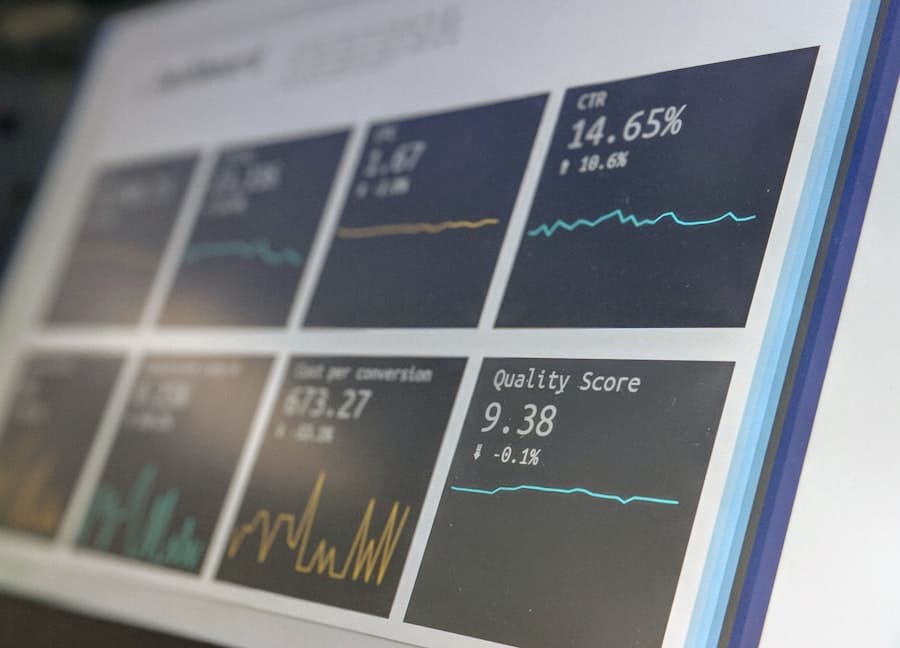
Performance management is another area where AI is making significant strides. Traditionally, performance reviews have been periodic and often subjective, leading to frustration for both employees and managers. With AI, you can implement continuous feedback mechanisms that provide real-time insights into employee performance.
This shift allows you to move away from annual reviews and instead foster an ongoing dialogue about performance and development. AI tools can analyze employee data to identify trends and patterns in performance metrics. For instance, you might use AI to track key performance indicators (KPIs) and provide actionable insights that help employees improve their performance over time.
Additionally, AI can facilitate peer feedback by analyzing interactions among team members, creating a more holistic view of an employee’s contributions. By embracing these technologies, you empower your workforce to take ownership of their development while fostering a culture of transparency and accountability.
The Use of AI in Predictive Analytics for HR Decision Making
Predictive analytics is one of the most powerful applications of AI in HR decision-making. As you consider the future of your organization, leveraging data-driven insights can significantly enhance your strategic planning efforts. By analyzing historical data and identifying trends, AI can help you forecast future workforce needs, turnover rates, and even employee engagement levels.
This foresight enables you to make proactive decisions that align with your organization’s goals. For example, you might use predictive analytics to identify potential flight risks among employees based on factors such as job satisfaction scores or performance trends. Armed with this information, you can implement targeted retention strategies before valuable talent decides to leave.
Additionally, predictive analytics can inform your recruitment strategies by identifying the characteristics of successful hires in your organization, allowing you to refine your selection criteria over time.
AI’s Influence on Employee Engagement and Retention

Employee engagement is crucial for organizational success, and AI has the potential to enhance this aspect significantly. You may find that AI-driven tools can help gauge employee sentiment through surveys and feedback mechanisms that analyze responses in real-time. By understanding how employees feel about their work environment, leadership, and overall job satisfaction, you can take proactive measures to address concerns before they escalate.
Furthermore, AI can facilitate personalized engagement initiatives by analyzing individual preferences and behaviors. For instance, if an employee values professional development opportunities, AI can recommend relevant training programs or mentorship pairings based on their career aspirations. By tailoring engagement strategies to meet the unique needs of your workforce, you foster a culture of inclusivity and support that ultimately leads to higher retention rates.
Addressing Ethical and Privacy Concerns in AI-driven HR
While the benefits of AI in HR are substantial, it is essential to address the ethical and privacy concerns that accompany its implementation. As you integrate AI tools into your HR processes, you must ensure that data privacy regulations are upheld and that employees’ personal information is handled responsibly. Transparency is key; communicating how data is collected, used, and protected will help build trust among your workforce.
Moreover, it is crucial to remain vigilant against potential biases embedded within AI algorithms. You should regularly audit these systems to ensure they promote fairness and inclusivity rather than perpetuating existing disparities. By prioritizing ethical considerations in your use of AI, you not only protect your organization from legal repercussions but also foster a culture of integrity that resonates with employees.
The Future of AI in Human Resources: Opportunities and Challenges
As you look ahead to the future of AI in Human Resources, it is clear that the opportunities are vast yet accompanied by challenges that require careful navigation. The potential for enhanced efficiency, improved employee experiences, and data-driven decision-making is immense. However, as technology continues to evolve, so too must your approach to integrating AI into HR practices.
You may find that staying informed about emerging trends and best practices will be essential for maximizing the benefits of AI while mitigating risks. Continuous learning and adaptation will be crucial as new tools and technologies emerge. By embracing a forward-thinking mindset and prioritizing ethical considerations, you can position your organization at the forefront of the HR landscape—ready to harness the full potential of AI while fostering a thriving workplace culture.
In conclusion, as you explore the multifaceted applications of AI in Human Resources, it becomes evident that this technology is not just a tool but a catalyst for transformation. By understanding its impact on recruitment, onboarding, performance management, predictive analytics, engagement, and ethical considerations, you are better equipped to navigate the complexities of modern HR practices. Embracing these advancements will not only enhance your organization’s efficiency but also create a more engaged and empowered workforce ready to meet the challenges of tomorrow.
AI and its role in revolutionizing human resources is a hot topic in today’s business world. One related article that delves into this subject is AI in Recruitment: Improving Hiring Processes and Candidate Selection. This article discusses how AI is transforming the recruitment process by streamlining candidate selection and improving the overall hiring process. By leveraging AI technology, companies can make more informed decisions when it comes to hiring the right talent for their organization.
FAQs
What is AI?
AI, or artificial intelligence, refers to the simulation of human intelligence in machines that are programmed to think and act like humans. This includes tasks such as learning, problem-solving, and decision-making.
How is AI revolutionizing human resources?
AI is revolutionizing human resources by automating repetitive tasks, improving the recruitment process through data analysis, enhancing employee engagement and performance management, and providing insights for strategic workforce planning.
What are some examples of AI applications in human resources?
Some examples of AI applications in human resources include chatbots for answering employee queries, AI-powered resume screening and candidate matching, predictive analytics for identifying high-performing employees, and AI-driven performance management tools.
What are the benefits of using AI in human resources?
The benefits of using AI in human resources include increased efficiency and productivity, improved decision-making based on data-driven insights, enhanced candidate and employee experience, and the ability to focus on strategic HR initiatives.
Are there any concerns or challenges associated with AI in human resources?
Some concerns and challenges associated with AI in human resources include potential bias in AI algorithms, data privacy and security issues, the need for upskilling HR professionals to work with AI tools, and the impact on job roles within the HR function.