In recent years, the integration of artificial intelligence (AI) into disaster management has emerged as a transformative force, reshaping how societies prepare for, respond to, and recover from catastrophic events. As you navigate through the complexities of modern life, it becomes increasingly clear that the unpredictability of natural disasters poses significant challenges. From hurricanes and earthquakes to wildfires and floods, the need for effective disaster management strategies has never been more pressing.
AI offers innovative solutions that can enhance our ability to predict, monitor, and respond to these emergencies, ultimately saving lives and minimizing damage. The advent of AI technologies has opened new avenues for improving disaster management processes. By leveraging vast amounts of data and employing sophisticated algorithms, AI can analyze patterns and trends that human analysts might overlook.
This capability not only enhances situational awareness but also enables more informed decision-making during crises. As you delve deeper into the role of AI in disaster management, you will discover how these technologies are revolutionizing the field, providing tools that empower communities to become more resilient in the face of adversity.
Key Takeaways
- AI plays a crucial role in disaster management by providing predictive and monitoring capabilities to help mitigate the impact of natural disasters.
- AI aids in disaster response and relief efforts by enabling faster and more efficient resource allocation and decision-making.
- Challenges and limitations of AI in disaster management include data accuracy, ethical considerations, and the need for human oversight.
- Ethical considerations in the use of AI in disaster management include privacy concerns, bias in decision-making, and the potential for misuse of AI technology.
- Successful case studies demonstrate the effective implementation of AI in disaster management, showcasing its potential for improving resilience and response capabilities.
The Role of AI in Predicting and Monitoring Disasters
One of the most significant contributions of AI to disaster management lies in its ability to predict and monitor potential disasters. By analyzing historical data, weather patterns, and geological information, AI algorithms can identify risk factors and forecast the likelihood of various disasters occurring. For instance, machine learning models can process satellite imagery and meteorological data to predict hurricanes’ paths and intensities with remarkable accuracy.
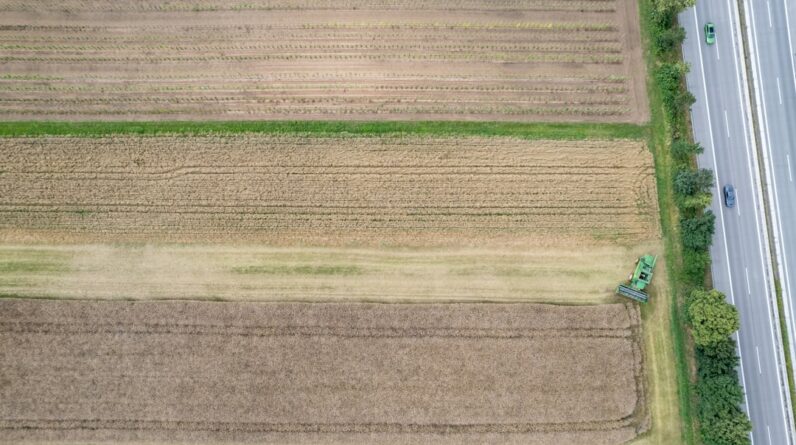
This predictive capability allows you to take proactive measures, such as issuing timely warnings and evacuating vulnerable populations before disaster strikes. Moreover, AI can enhance real-time monitoring during disasters. Utilizing drones equipped with AI technology, you can gather critical data on affected areas, assess damage, and track the progression of events.
These drones can navigate hazardous environments where human responders may be at risk, providing invaluable information that aids in decision-making. By harnessing AI for monitoring purposes, you can ensure that response efforts are well-coordinated and targeted, ultimately leading to more effective disaster management.
AI in Disaster Response and Relief Efforts

When a disaster occurs, the speed and efficiency of the response can significantly impact the outcome. AI plays a crucial role in streamlining disaster response efforts by optimizing resource allocation and improving communication among various agencies. For example, AI-driven platforms can analyze data from multiple sources—such as social media, emergency calls, and sensor networks—to identify areas in need of immediate assistance.
This real-time analysis allows you to deploy resources where they are most needed, ensuring that help reaches those affected as quickly as possible. In addition to resource allocation, AI can enhance coordination among different organizations involved in disaster relief. By utilizing AI-powered communication tools, agencies can share information seamlessly, reducing the risk of duplication of efforts or miscommunication.
This collaborative approach ensures that all stakeholders are on the same page, enabling a more unified response to the crisis at hand. As you consider the implications of AI in disaster response, it becomes evident that these technologies not only improve efficiency but also foster a sense of solidarity among responders working towards a common goal.
Challenges and Limitations of AI in Disaster Management
Despite its numerous advantages, the integration of AI into disaster management is not without challenges. One significant limitation is the reliance on data quality and availability. AI algorithms require vast amounts of accurate data to function effectively; however, in many regions prone to disasters, data collection infrastructure may be lacking or outdated.
This gap can hinder the predictive capabilities of AI systems, leading to less reliable forecasts and potentially jeopardizing response efforts. Another challenge lies in the ethical implications of using AI in disaster management. As you explore this field further, you may encounter concerns regarding privacy and surveillance.
The use of drones and other monitoring technologies raises questions about how data is collected and used, particularly when it involves vulnerable populations. Striking a balance between effective disaster management and respecting individual rights is crucial as you navigate the complexities of implementing AI solutions.
Ethical Considerations in the Use of AI in Disaster Management
The ethical considerations surrounding AI in disaster management are multifaceted and warrant careful examination. One primary concern is the potential for bias in AI algorithms. If the data used to train these systems is skewed or unrepresentative, it can lead to biased predictions and decisions that disproportionately affect certain communities.
As you engage with this topic, it is essential to advocate for transparency in AI development processes and ensure that diverse perspectives are included in data collection efforts. Additionally, accountability is a critical ethical consideration when deploying AI technologies in disaster management. In situations where AI systems make decisions that impact human lives, it is vital to establish clear lines of responsibility.
You may find it necessary to engage with policymakers and stakeholders to develop frameworks that address accountability issues while promoting ethical practices in AI deployment. By prioritizing ethical considerations, you can contribute to building trust in AI technologies and ensuring their responsible use in disaster management.
Case Studies: Successful Implementation of AI in Disaster Management

Examining successful case studies can provide valuable insights into how AI has been effectively implemented in disaster management scenarios. One notable example is the use of AI by the National Oceanic and Atmospheric Administration (NOAA) in predicting severe weather events. By employing machine learning algorithms to analyze historical weather data alongside real-time observations, NOAA has significantly improved its forecasting accuracy for hurricanes and tornadoes.
This advancement has enabled communities to prepare more effectively for impending disasters, ultimately saving lives. Another compelling case study involves the use of AI-powered chatbots during natural disasters. In 2017, during Hurricane Harvey in Texas, organizations deployed chatbots to assist individuals seeking information about evacuation routes, shelter locations, and emergency services.
These chatbots utilized natural language processing to understand user inquiries and provide timely responses. As you reflect on this example, consider how such innovations can enhance communication during crises and empower individuals with the information they need to make informed decisions.
The Future of AI in Disaster Management
Looking ahead, the future of AI in disaster management appears promising as technology continues to evolve. Advancements in machine learning and data analytics will likely lead to even more accurate predictions and efficient response strategies. As you envision this future landscape, consider how emerging technologies such as blockchain could further enhance transparency and accountability in disaster management processes.
Moreover, collaboration between governments, private sectors, and academic institutions will be crucial in driving innovation in this field. By fostering partnerships that leverage diverse expertise and resources, you can contribute to developing comprehensive solutions that address the multifaceted challenges posed by disasters. As you engage with these developments, remain open to exploring new ideas and approaches that harness the full potential of AI for a more resilient future.
Harnessing the Power of AI for a More Resilient Future
In conclusion, the integration of artificial intelligence into disaster management represents a significant leap forward in our ability to prepare for and respond to emergencies effectively. As you reflect on the various roles that AI plays—from predicting disasters to enhancing response efforts—you may recognize its potential to save lives and mitigate damage during crises. However, it is essential to remain mindful of the challenges and ethical considerations associated with these technologies.
By advocating for responsible practices and fostering collaboration among stakeholders, you can help ensure that AI is harnessed effectively for disaster management purposes. As we move forward into an increasingly uncertain future marked by climate change and other global challenges, embracing innovative solutions like AI will be vital for building resilient communities capable of withstanding adversity. Together, we can leverage the power of technology to create a safer world for all.
AI in Disaster Management: Preparing for the Unpredictable is a crucial aspect of utilizing technology to mitigate the impact of natural disasters. To delve deeper into the challenges and limitations of artificial intelligence, one can read the article What is the Main Problem of Artificial Intelligence?. Understanding the different types of AI is also essential in this context, which is explored in the article What are the Two Types of Artificial Intelligence?. Additionally, the potential of merging quantum computing with AI to enhance disaster management strategies is discussed in the article Quantum AI: Merging Quantum Computing with Artificial Intelligence. These resources provide valuable insights into the intersection of AI and disaster preparedness.
FAQs
What is AI in disaster management?
AI in disaster management refers to the use of artificial intelligence technologies to predict, prepare for, respond to, and recover from natural and man-made disasters. This includes using AI for early warning systems, resource allocation, damage assessment, and decision support.
How is AI used in disaster management?
AI is used in disaster management for various purposes, such as analyzing large amounts of data to predict disasters, optimizing resource allocation during a disaster, using drones and robots for search and rescue operations, and assessing damage and recovery needs after a disaster.
What are the benefits of using AI in disaster management?
The benefits of using AI in disaster management include improved prediction and early warning systems, more efficient resource allocation, faster and more accurate damage assessment, and better decision support for emergency responders and policymakers.
What are some examples of AI applications in disaster management?
Some examples of AI applications in disaster management include using machine learning algorithms to analyze historical data and predict the likelihood of future disasters, using computer vision to assess damage from natural disasters, and using autonomous vehicles and drones for search and rescue operations.
What are the challenges of using AI in disaster management?
Challenges of using AI in disaster management include the need for high-quality and real-time data, the potential for biases in AI algorithms, the ethical implications of using AI in life-and-death situations, and the need for interoperability and collaboration among different AI systems and stakeholders.